Encourage Bushy Growth
Pinch out the soft tips of stems when they reach 10–15 cm to encourage branching and a compact, productive plant rather than tall, woody growth.

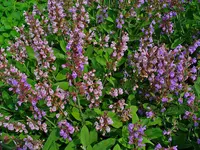
Culinary sage, Salvia officinalis subsp. officinalis, is a perennial herb from the mint family, widely grown for its aromatic, flavorful leaves. It forms low, branching shrubs with gray-green, slightly fuzzy foliage and small purple or blue flowers in late spring or summer.
In nature it comes from dry, rocky areas of the Mediterranean, which explains its preference for sun, warmth, and well-drained soil. Once established, it is relatively drought tolerant and long lived if kept out of heavy, waterlogged conditions.
This subspecies suits both garden beds and containers and stays compact with regular pruning. Understanding how to care for Culinary Sage starts with giving it plenty of light and avoiding consistently wet soil.

Care Difficulty
Easy Care

Light Preference
Full Sun

Water Requirements
Low Water

Temperature Preference
Cold Hardy

Hardiness Zone
4–9

Soil Texture
Sandy, Loamy, Rocky

Soil pH
Slightly acidic (6.5–7.0), Slightly alkaline (7.0–7.5)

Soil Drainage
Well-drained

Fertilization
Minimal (feed rarely)
Scan your plant to receive care tips personalized for your specific plant
Available on iOS and Android
This subspecies thrives in bright, open conditions that mimic a sunny, dry hillside.
This drought-tolerant subshrub prefers slightly dry soil rather than continuous moisture.
This hardy Mediterranean herb tolerates a wide range of outdoor temperatures when established.
This subspecies of common sage prefers relatively dry air and rarely needs humidity adjustment indoors.
Salvia officinalis subsp. officinalis grows best in lean, very free‑draining mineral soil.
This sage adapts well to container culture when drainage and root space are carefully managed.
This herb stays compact and flavorful with light, measured feeding during the main growing season.
Targeted pruning keeps Salvia officinalis subsp. officinalis dense, leafy, and productive for harvest.
This species prefers well-drained ground but can adapt to containers that are sized and refreshed sensibly.
New plants are most dependable from softwood cuttings, with seeds and division as useful alternatives.
Mature plants are moderately cold hardy but benefit from simple measures in colder regions.

Plant Health Check
Not sure what's wrong with your plant? Check your plant's health inside the app.
The leaves produce essential oils rich in thujone, camphor, and 1,8-cineole, which give the plant its strong, resinous scent and characteristic flavor used in cooking.
Although it forms woody stems and a shrub-like base, this sage typically declines after 3–5 years, as older wood becomes brittle and less capable of producing vigorous new shoots.
This subspecies is native to dry, rocky slopes in the central and western Mediterranean, where it evolved to tolerate intense sun, seasonal drought, and alkaline, low-fertility soils.

The Latin name officinalis indicates the plant’s historic status as an official apothecary herb, and this particular culinary form was already widely cultivated in medieval European monastery gardens for both flavoring and preserving food.
Brown leaves usually result from chronic underwatering, hot drying winds, or soil that stays wet and then dries hard. Check soil moisture, improve drainage, and remove the worst leaves so new, healthy foliage can develop.
Keep your plants happy and healthy with plant identification, disease detection, and easy care guidance.