introduced sage Care (Salvia pratensis)

Also known as: meadow clary, Meadow Sage, Western Meadow Sage
introduced sage

About introduced sage

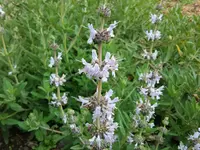
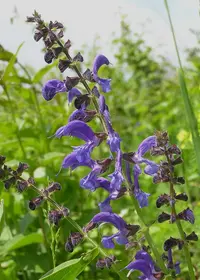
Introduced sage, Salvia pratensis, is a hardy perennial sage grown mainly for its upright spikes of violet-blue flowers and aromatic foliage. It forms clumps of rough, toothed leaves at the base with tall flowering stems above. Native to parts of Europe and western Asia, it is often planted in meadows, naturalistic borders, and pollinator gardens. The flowers attract bees and other beneficial insects, which supports garden biodiversity. Plants adapt well to temperate climates and are generally undemanding, which makes it fairly easy to care for introduced sage. It prefers sunny, open sites with well-drained, not overly rich soil and moderate moisture.

Main Plant Requirements

Care Difficulty

Easy Care

Light Preference

Full Sun

Water Requirements

Moderate Water

Temperature Preference

Cold Hardy

Hardiness Zone

4–8

Soil Texture

Sandy, Loamy, Clay

Soil pH

Slightly acidic (6.5–7.0), Neutral (7.0)

Soil Drainage

Well-drained

Fertilization

Minimal (feed rarely)

Get Personalized Care Plan

Scan your plant to receive care tips personalized for your specific plant

Available on iOS and Android

How to Care for the introduced sage

Salvia pratensis grows best in open, bright conditions with plenty of direct sun each day.

  • Provide 6–8 hours of direct sun daily; full sun promotes dense growth and abundant flowering for introduced sage.
  • Plant in a spot with morning sun and, in hotter regions, light afternoon shade to reduce leaf scorch and premature wilting.
  • In cooler seasons or cloudy climates, choose the brightest, south-facing exposure; in deep shade, stems elongate, flowering drops, and plants become weak.

Salvia pratensis prefers moderately dry conditions and does not tolerate consistently wet soil.

  • Water when the top 3–5 cm of soil feels dry, applying a deep soak so moisture reaches the root zone, then allow soil to dry again.
  • Use well-drained soil or raised beds; persistent puddling, sour smell, or yellowing lower leaves often indicates overwatering and risk of root rot.
  • In spring and early summer, water more often during active growth; reduce frequency in late summer and fall, watching for drooping or crisp leaves as signs of drought stress.

This species is a hardy perennial that tolerates a wide temperature range once established.

  • Optimal growth occurs around 60–75°F (16–24°C), with strong flowering in mild spring and early summer conditions.
  • Mature plants usually survive winter down to about 0°F (−18°C) with mulched roots; foliage dies back but crowns often re-sprout in spring.
  • In summer, plants handle short heat waves up to 90–95°F (32–35°C) if soil is not waterlogged; prolonged extreme heat with drought can stunt growth and reduce flowering.

Salvia pratensis handles 30–50% humidity comfortably and rarely needs special humidity management.

  • Introduced sage tolerates dry indoor air well, so extra humidifiers are usually unnecessary.
  • Humidity stress shows mainly as crispy leaf edges combined with underwatering, rather than from air dryness alone.
  • If air is extremely dry near heaters or vents, move the pot slightly away or group plants to reduce rapid moisture loss.

Salvia pratensis prefers moderately fertile, well-drained mineral soils that do not stay wet.

  • Use a mix such as 60% loam, 20–30% coarse sand, and 10–20% compost to balance drainage and moderate nutrition.
  • Aim for slightly alkaline to neutral pH, around 6.5–7.5, avoiding very acidic mixes that can reduce vigor.
  • In heavier garden soils, incorporate coarse sand or fine gravel to improve aeration and prevent waterlogging around the roots.
  • Avoid peat-heavy, water-retentive substrates and compacted soil, which increase root rot risk and reduce winter hardiness.

This species is suitable for container growing outdoors if the pot provides sharp drainage and enough root depth.

  • Choose a deep, heavy container to anchor the plant’s upright flowering stems and prevent wind tipping.
  • Select unglazed clay if extra evaporation is needed in rainy or cool climates to keep the root zone drier.
  • Raise the pot slightly on feet or bricks so drainage holes are never blocked and excess water clears quickly after rain.

This perennial sage prefers modest feeding, especially in poorer soils, and excessive nutrients can reduce flowering.

  • Apply a light layer of compost or well-rotted manure around plants in early spring to support new growth.
  • Use a balanced, slow-release fertilizer (around 10-10-10) at half strength once in spring for introduced sage in lean soils.
  • Avoid high-nitrogen feeds, which push leafy growth at the expense of flowers.
  • Stop fertilizing in late summer and do not feed during winter dormancy.

Pruning supports compact growth and extended flowering in Salvia pratensis.

  • In late spring and summer, deadhead spent flower spikes down to a leaf node to encourage repeat bloom.
  • Remove dead, damaged, or diseased stems at the base with clean, sharp hand pruners.
  • Thin crowded shoots after flowering to improve air flow and maintain a neat clump shape.
  • In late fall or very early spring, cut back old top growth to just above the basal rosette.

This meadow sage is more often transplanted in garden beds than kept as a long-term container plant.

  • Transplant in early spring or early fall so roots establish in mild weather before heat or hard frost.
  • Lift and move plants when growth slows, flowering declines, or clumps become congested every 3–4 years.
  • If container-grown, shift to a slightly larger pot when roots circle the drainage holes or surface strongly.
  • Water thoroughly after transplanting, shade briefly in hot weather, and keep soil evenly moist to limit root stress.

New Salvia pratensis plants are commonly raised from seeds or by division of mature clumps.

  • Sow fresh seeds in late summer or early spring on the surface of moist, well-drained mix; maintain 60–70°F and bright light.
  • Lightly cover seeds or press in; keep evenly moist until germination in 2–4 weeks.
  • Divide healthy clumps in early spring, cutting the root mass into sections with several buds each.
  • Replant divisions immediately at original soil depth and water well to settle soil around roots.

This hardy perennial usually overwinters well in most temperate climates with minimal intervention.

  • Tolerates frost once established, but new or marginally hardy plants benefit from added protection.
  • After hard frosts, cut back dead stems to just above the basal foliage to reduce disease carryover.
  • Apply a 5–8 cm mulch layer around the root zone, keeping it slightly away from crowns to prevent rot.
  • In very cold regions or for container plants, move pots to a sheltered, unheated but frost-light area.

Care Tips

Flowering support

Install low, discreet stakes or a ring support around taller clumps in early spring so the stems stay upright and the flower spikes do not flop or snap in strong wind or heavy rain.

Timed deadheading

Remove spent flower spikes down to the first strong pair of leaves as soon as most florets fade to trigger a reliable second flush of blooms later in the season.

Basal clump renewal

Every 3–4 years, lift and divide mature clumps in early spring or early fall, replanting only the youngest, most vigorous outer sections to maintain dense, floriferous growth.

Weed-suppressing mulch

Apply a 3–5 cm layer of mineral or coarse organic mulch around but not touching the crowns to suppress weeds, reduce soil splash on foliage, and keep the root zone evenly aerated.

Powdery mildew prevention

Space plants to allow strong air flow, avoid overhead watering in the evening, and remove badly affected leaves promptly to reduce the chance of powdery mildew building up from year to year when growing introduced sage.

Common Pests and Diseases

Powdery mildew

This disease causes white, powdery patches on leaves, especially in dense plantings and dry, warm conditions. Symptoms include distorted new growth and reduced flowering if the infection is heavy.

Solution

Remove heavily infected leaves and thin crowded stems to improve air circulation. Avoid overhead watering, water early in the day, and if needed use a sulfur or potassium bicarbonate fungicide labeled for ornamentals, applying according to introduced sage care instructions on the product label.

Leaf spot

This disease produces small brown or tan spots on leaves, sometimes with a darker edge and a yellow halo. Symptoms include premature leaf drop on stressed or older Salvia pratensis clumps.

Solution

Prune and dispose of affected leaves and any dense, floppy stems to reduce humidity around the plant. Water at soil level, keep mulch away from crowns, and in persistent cases apply a copper- or chlorothalonil-based fungicide labeled for foliar leaf spots on ornamentals.

Aphids

These insects cluster on young stems and flower spikes, sucking sap and secreting sticky honeydew. Symptoms include curled or distorted new leaves and reduced vigor in flowering shoots.

Solution

Spray stems and flower spikes with a strong stream of water to dislodge colonies, repeating every few days as needed. For heavier infestations, treat with insecticidal soap or a light horticultural oil, ensuring thorough coverage of shoot tips and the undersides of leaves.

Slugs and snails

These pests chew irregular holes in leaves, often starting on tender new growth near the base of the plant. Symptoms include shredded foliage and slime trails around plants, especially in damp, shaded sites.

Solution

Hand-pick slugs and snails in the evening, and reduce moist hiding places such as thick mulch or debris near the crown. Use iron phosphate bait around, not on, the plants and keep irrigation controlled to avoid consistently wet soil surfaces.

Spider mites

These pests are tiny sap-feeding arachnids that thrive in hot, dry weather, causing fine speckling and a dull, grayish look to leaves. Symptoms include very fine webbing on stems and leaf undersides and gradual leaf drop on stressed plants.

Solution

Rinse foliage thoroughly with water, paying attention to the undersides of leaves, and repeat several times per week in dry conditions. If populations remain high, use insecticidal soap or horticultural oil labeled for mites and increase local humidity slightly while maintaining good airflow.

Interesting Facts

Lever-triggered pollination

The flowers have a specialized lever mechanism in the stamens that tips pollen onto visiting bees when they push into the corolla, an adaptation that increases precise pollen transfer to other flowers of the same species.

Preference for calcareous soils

This species naturally favors dry, base-rich soils on limestone or chalk, so it often occurs in old grasslands and road verges where the soil pH is relatively high.

Support for wild bees

Its nectar-rich, long-tubed flowers are especially suited to long-tongued bumblebees and solitary bees, making meadow clary an important forage resource in semi-natural European grasslands.

Botan icon

Did you know?

In parts of its native European range, Salvia pratensis is used as a characteristic indicator species of long-established, species-rich meadows, so its presence can signal grassland habitats that have escaped intensive modern agriculture for many decades.

FAQs about introduced sage

This species is highly attractive to bees, butterflies, and other pollinators due to its nectar-rich tubular flowers. Planting several clumps together increases visibility and foraging efficiency, supporting local pollinator populations throughout its flowering period.

Grow Healthy Plants with Botan Care

Keep your plants happy and healthy with plant identification, disease detection, and easy care guidance.

Botan plant care app — identify plants on mobile

Explore More Plants