Rhinanthus freynii Care

About Rhinanthus freynii

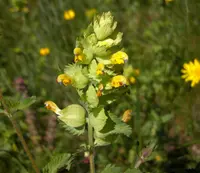
Rhinanthus freynii is a small annual wildflower in the broomrape family, known as a hemiparasitic plant that taps into neighboring grasses for nutrients. It typically forms low, branching clumps with narrow leaves and yellow, lipped flowers held in short spikes.

This species is native to parts of Europe, where it grows in meadows and grasslands with relatively low soil fertility. Its partial dependence on host grasses makes it interesting ecologically but more challenging to cultivate, so gardeners usually need experience to care for Rhinanthus freynii successfully.

It generally prefers open, sunny sites with moist but well-drained soils and low competition from vigorous plants.

Main Plant Requirements

Care Difficulty

Hard Care

Light Preference

Full Sun

Water Requirements

Moderate Water

Temperature Preference

Cool Climate

Hardiness Zone

5–8

Soil Texture

Loamy, Silty, Organic-rich

Soil pH

Slightly acidic (6.5–7.0)

Soil Drainage

Moist but well-drained

Fertilization

Minimal (feed rarely)

Get Personalized Care Plan

Scan your plant to receive care tips personalized for your specific plant

Available on iOS and Android

How to Care for the Rhinanthus freynii

This annual meadow hemiparasite prefers open, bright conditions with moderate direct sun exposure.

  • Provide 4–6 hours of direct sun daily, ideally morning to early afternoon, with the rest of the day in bright, open light or very light shade.
  • Allow light partial shade in hotter regions; gentle afternoon shade reduces leaf scorch and moisture stress during summer heat.
  • Avoid deep or dense shade, which causes weak, leggy growth and poor flowering in Rhinanthus freynii, and avoid intense all‑day midsummer sun on thin, dry soils.

This species prefers consistently moist but not saturated soil, especially during germination and early growth.

  • Aim for soil that stays evenly moist in the top 2–5 cm, especially in spring, without forming standing water or sticky mud.
  • In natural or meadow settings, rely on rainfall where possible; supplement only when the surface dries, adjusting more carefully during dry, windy periods.
  • Signs of stress include limp, dull foliage from drought and yellowing or blackened, collapsing stems from overwatering or poor drainage, so ensure free‑draining, humus‑rich soil.

This cool-season annual is adapted to temperate climates with relatively mild summers and cold winters.

  • Optimal growth occurs in cool conditions around 50–68°F (10–20°C), particularly during spring and early summer establishment.
  • Seeds and young plants tolerate cold down to about 23°F (-5°C), but hard, prolonged freezes below this can reduce survival and stand density.
  • Mature plants cope better with brief heat up to about 77–82°F (25–28°C) if soil moisture remains stable, but extended hot, dry spells shorten flowering and seed set of Rhinanthus freynii.

This temperate annual prefers moderate outdoor humidity but does not have strict humidity demands.

This hemiparasitic meadow annual needs specific soil conditions to establish and flower well.

  • Use a moderately moist, well-drained loam or sandy loam with fine texture so seeds can contact host grass roots easily.
  • Aim for slightly acidic to neutral pH, around 6.0–7.0, avoiding strongly acidic or alkaline soils that limit nutrient uptake.
  • Incorporate a small amount of fine compost into existing turf soil rather than a thick organic layer, which can prevent close root contact with host species.
  • Avoid heavy clay, waterlogged sites, or very nutrient-rich garden mixes, which reduce the need for host plants and hinder growing Rhinanthus freynii.

This species is generally unsuitable for long-term container growing and performs best sown directly into turf or meadow soil.

This annual wildflower usually grows on low-fertility soils and needs little to no fertilizer in garden settings.

Rhinanthus freynii needs only minimal pruning because it is a small, short-lived annual.

  • At season’s end, cut back spent flowering stems with clean scissors or hand pruners once seeds have dropped.
  • Remove any obviously diseased or damaged stems during growth to limit pathogen spread.
  • Leaving some dead stems standing over winter can support beneficial insects, then clear them in early spring.

Management focuses on site preparation and sowing rather than frequent transplanting, since this species dislikes root disturbance.

  • Sow in open ground or meadow-style beds rather than pots, as transplanting established seedlings often causes stress or failure.
  • If moving self-sown seedlings, do it very young in early spring, lifting with a wide plug of soil to keep roots intact.
  • Avoid frequent relocation; instead, choose a suitable site with compatible host grasses from the start.
  • After any move, water gently and shade temporarily for 2–3 days to reduce transplant shock.

Propagation relies almost entirely on seed, and understanding its life cycle is key to successful establishment.

  • Collect dry seed heads at the end of summer and store seeds cool and dry until sowing.
  • Sow seeds outdoors in late fall so natural winter cold provides stratification, which breaks seed dormancy.
  • Place seed on or just beneath the soil surface in short turf or open ground among suitable host grasses.
  • Keep soil lightly moist until germination in spring, then avoid heavy disturbance of young plants.

This annual completes its life cycle before winter, so the living plant needs no special cold-season care.

  • Seeds tolerate normal outdoor frost, so there is no need to lift or cover them.
  • In meadow plantings, leave seed heads until late winter to ensure good reseeding of the patch.
  • If growing Rhinanthus freynii in experimental containers, simply keep pots outdoors and avoid waterlogging.

Care Tips

Host grass selection

Sow this hemi-parasitic species into a low-vigor, fine-textured grass mix (for example, fescues rather than high-fertilizer ryegrass) so the roots can attach easily without being overwhelmed by very competitive hosts.

Low-nutrient management

Before sowing, remove rich topsoil or reduce fertility by cutting and removing all vegetation for 1–2 seasons, because high nutrient levels strongly reduce flowering and long-term persistence.

Mowing timing control

Delay mowing until most seed capsules have turned brown and begun to rattle, then cut and leave the hay in place for 3–5 days so seeds can fall and re-sow the site.

Seed scarification aid

For difficult seed lots, mix dry seed with slightly damp sharp sand and refrigerate for 6–8 weeks to improve germination by simulating winter stratification while keeping seeds aerated.

Patch rejuvenation strategy

Every few years, lightly rake or scarify small areas of turf in late summer and allow seed from nearby plants to fall into the bare patches to maintain population density when growing Rhinanthus freynii.

Common Pests and Diseases

Powdery mildew

This disease causes white, powdery patches on leaves, bracts, and stems, often in dense or shaded plantings. Symptoms include reduced vigor and premature leaf yellowing in humid but not overly wet conditions.

Solution

Improve air circulation by avoiding overcrowding, and water at soil level rather than over the foliage. Remove and dispose of heavily infected plant material, and in repeated problem areas use a sulfur or potassium bicarbonate spray early in the season as part of broader Rhinanthus freynii care instructions in meadow plantings.

Downy mildew

This disease produces pale or yellowish leaf spots that develop greyish to violet downy growth on the undersides, especially in cool, moist weather. Symptoms include stunted plants and early decline of flowering shoots.

Solution

Reduce leaf wetness by avoiding overhead irrigation and favoring morning watering so foliage dries quickly. Remove infected plants to limit spread, and rotate sowing areas in naturalistic plantings to avoid repeated buildup of the pathogen in the same soil patches.

Rust fungus

This disease forms orange to brown pustules on leaves and stems, which can merge into larger lesions and cause early leaf drop. Symptoms include weakened plants that set fewer viable seeds.

Solution

Promptly remove and destroy affected foliage or whole plants once pustules appear, especially in small populations. Maintain good spacing and airflow in meadow mixes, and avoid sowing in low, persistently damp spots where rust tends to persist on volunteer hosts and wild grasses.

Leaf-spotting fungi

These diseases cause small brown, tan, or purplish spots that may have darker margins and can coalesce into larger necrotic areas. Symptoms include thinning foliage and a generally patchy, scorched appearance late in the season.

Solution

Collect and remove senescent, spotted foliage at the end of the growing season to reduce overwintering spores. Use crop rotation in restoration or meadow settings and avoid excessive nitrogen fertilization, which promotes dense, disease-prone growth.

Aphids

These insects feed on plant sap, typically clustering on young stems and flower spikes, causing distortion and sticky honeydew that can lead to sooty mold. Symptoms include curled or stunted shoots and reduced flowering quality.

Solution

Dislodge colonies with a firm water spray and encourage natural enemies such as lady beetles by avoiding broad-spectrum insecticides nearby. On small patches, pinch off or wipe heavily infested stems, and if needed use an insecticidal soap or horticultural oil, applied thoroughly to stems and flower spikes during cool parts of the day.

Interesting Facts

Endemic alpine specialist

This species is narrowly endemic to high-elevation limestone grasslands of the Dinaric Alps in the western Balkans, where it grows in cool, open, species-rich turf above the treeline.

Hemiparasitic lifestyle

Like other yellow-rattles, it is a hemiparasite that taps the roots of neighboring grasses and forbs to obtain water and nutrients while still performing photosynthesis, which can locally reduce grass vigor and shift community composition.

Karst grassland indicator

Its presence is closely linked to traditional, low-intensity grazing on calcareous, karstic soils, so botanists use it as an indicator of relatively undisturbed, high-nature-value mountain pastures.

FAQs about Rhinanthus freynii

This is an annual wildflower. It completes its entire life cycle from seed to flowering to seed set within a single growing season, then dies. New plants appear each year only from fresh seed.

Grow Healthy Plants with Botan Care

Keep your plants happy and healthy with plant identification, disease detection, and easy care guidance.

Botan plant care app — identify plants on mobile

Explore More Plants