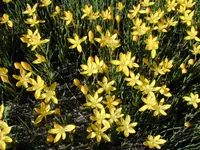
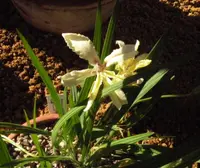
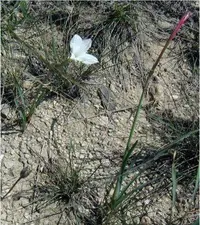
Forbes' glory-of-the-snow Care (Scilla forbesii)

Forbes' glory-of-the-snow

About Forbes' glory-of-the-snow

Scilla forbesii, commonly called Forbes' glory-of-the-snow, is a small bulbous perennial grown mainly for its early spring flowers. It forms low clumps of narrow green leaves with upright flower stems. Each stem carries loose clusters of star-shaped, bluish flowers with pale centers that open as snow and frost recede. The plant naturalizes gently in lawns, rock gardens, and under deciduous shrubs, then goes dormant by early summer. Scilla forbesii comes from western Turkey, where it grows in open, well-drained mountain meadows. Its cold hardiness, small size, and low maintenance needs make it easy to care for Forbes' glory-of-the-snow in many temperate gardens, provided the soil drains freely and stays moderately moist in spring.

Main Plant Requirements

Care Difficulty

Easy Care

Light Preference

Partial Sun

Water Requirements

Moderate Water

Temperature Preference

Cold Hardy

Hardiness Zone

4–8

Soil Texture

Sandy, Loamy, Organic-rich

Soil pH

Acidic (5.5–6.5), Slightly acidic (6.5–7.0)

Soil Drainage

Well-drained

Fertilization

Minimal (feed rarely)

Get Personalized Care Plan

Scan your plant to receive care tips personalized for your specific plant

Available on iOS and Android

How to Care for the Forbes' glory-of-the-snow

Scilla forbesii grows best in bright, cool spring light typical of open woodland or rock garden sites.

  • Provide 4–6 hours of sun daily, ideally with morning sun and light afternoon shade, especially in warmer regions.
  • Tolerates partial shade under deciduous trees, as bulbs receive strong light in early spring before the canopy leafs out.
  • Avoid intense, all-day summer sun that can scorch foliage and bake bulbs; inadequate light leads to fewer flowers on Forbes' glory-of-the-snow.

Scilla forbesii prefers evenly moist but not saturated soil during active spring growth.

  • Water when the top 3–5 cm of soil feels dry, aiming for consistently moist conditions while leaves are green and growing.
  • Use well-drained soil so excess water runs off quickly; standing water or heavy clay increases risk of bulb rot and yellow, limp foliage.
  • Reduce or stop watering once leaves yellow and die back in late spring, since dormant bulbs prefer relatively dry conditions through summer.

This bulb is cold-hardy and adapted to cool springs with pronounced winters.

  • Active growth and flowering occur best in 45–60°F (7–16°C); foliage tolerates light spring frosts without damage.
  • Dormant bulbs survive winter soil temperatures down to about 0°F (-18°C) if planted 7–10 cm deep and soil drains freely.
  • Prolonged heat above 85°F (29°C) in spring shortens bloom time; in hot climates, provide afternoon shade and a mulch layer to moderate soil temperature.

Humidity is not a significant factor for Scilla forbesii, which thrives in typical outdoor air conditions.

Scilla forbesii bulbs perform best in loose, well-drained, nutrient-rich soil that does not stay wet after rain.

  • Use a loamy or sandy-loam soil with high organic matter to support strong root and bulb development.
  • Aim for slightly acidic to neutral pH around 6.0–7.0, avoiding strongly alkaline or compacted sites.
  • Mix in compost and a little sharp sand or fine grit to increase both fertility and drainage around the bulbs.
  • Avoid heavy clay or sites where water pools, as prolonged saturation encourages bulb rot and fungal disease.

This species is well suited to container growing for seasonal spring display outdoors.

  • Choose a pot at least 15–20 cm deep so bulbs can sit twice their height below the rim with space for root spread.
  • Select a rigid, frost-resistant container to prevent cracking and root disturbance in cold, wet spring conditions.
  • Use a free-draining potting mix and slightly raise the container on feet or bricks to prevent water collecting at the base.

Scilla forbesii grows well in average soil and only needs modest feeding to support flowering.

  • Apply a light dressing of compost or well-rotted manure over the planting area in early spring before flowering.
  • In poorer soils, use a balanced granular or slow-release fertilizer (around 10-10-10 NPK) once in early spring.
  • Keep application rates low, following label instructions at the minimum dose to avoid excessive leaf growth over bulbs.
  • Do not feed during summer dormancy or winter, as inactive bulbs cannot use added nutrients.

Scilla forbesii needs minimal pruning, mainly to keep the planting area tidy and disease free.

  • In late spring, remove spent flower stalks at the base using clean scissors or hand pruners to prevent unwanted seeding.
  • Allow foliage to yellow and dry naturally, then gently pull or cut away dead leaves to support bulb energy storage.
  • Remove any damaged, diseased, or badly placed clumps to reduce crowding and maintain an even, natural spread.
  • Avoid cutting healthy green leaves, since this reduces photosynthesis and can weaken flowering the following year.

This bulb is usually grown in the ground, so focus on lifting and transplanting clumps rather than frequent repotting.

  • Transplant or divide clumps every 3–5 years if flowering declines, bulbs crowd, or growth appears stunted.
  • Time lifting and replanting for late summer to early fall, after foliage has died back and bulbs are dormant.
  • Prepare the new site with well-drained soil, replant bulbs at roughly 5–8 cm deep, and water lightly after planting.
  • Handle bulbs gently, avoid prolonged drying of roots or scales, and replant promptly to reduce transplant shock.

Scilla forbesii is most commonly propagated by bulb division, with seed used when increasing large drifts.

  • Lift mature clumps in late summer when bulbs are fully dormant and foliage has disappeared.
  • Gently separate offsets from parent bulbs by hand, discarding any soft or diseased material.
  • Replant divisions at the same depth they were growing, in well-drained soil, spaced 5–8 cm apart.
  • For seed propagation, sow fresh seed in pots or trays outdoors, keep consistently moist, and expect flowering after several years.

Forbes' glory-of-the-snow is cold hardy in most temperate gardens and generally needs little special winter care.

  • In cold regions, apply a light mulch of leaves or compost over the bulb zone after the ground cools but before deep freezes.
  • Ensure soil drains well to prevent bulbs sitting in winter water, which increases rot risk.
  • For container-grown bulbs, move pots into a sheltered, unheated area to avoid repeated freeze–thaw cycles.

Care Tips

Mark Dormant Clumps

After the foliage dies back, place small, discreet markers where healthy clumps are located so you avoid disturbing bulbs during summer weeding or soil work.


Allow Self‑Seeding Patches

Delay spring mulching and avoid heavy raking in flowering areas so seed capsules can mature and drop, gradually creating naturalized drifts over several seasons when growing Forbes' glory-of-the-snow.

Use Protective Overplanting

Plant shallow-rooted summer perennials or groundcovers around the bulbs so their foliage hides yellowing leaves and also shades and stabilizes the soil once the bulbs go dormant.

Lift And Divide Safely

Every 4–6 years, lift congested clumps just after the leaves yellow, gently separate offsets by hand, and replant at the same depth and spacing to maintain strong flowering.

Rodent And Squirrel Deterrence

In areas with heavy rodent pressure, set bulbs into wire bulb baskets or beneath a sheet of 1–2 cm mesh laid over the planting zone and covered with soil to reduce digging and feeding damage.

Common Pests and Diseases

Narcissus bulb fly

This pest targets bulbs, where larvae tunnel inside and destroy the basal plate and storage tissues. Symptoms include weak or absent shoots in spring and bulbs that feel soft or hollow when pressed.

Solution

Discard any soft or hollow bulbs and avoid composting heavily infested material. Lift and inspect bulbs when dormant, destroy those with clear tunneling, and in future seasons cover bulb beds with fine mesh in late spring to reduce egg-laying, planting bulbs slightly deeper and in well-drained soil to discourage attack.

Slugs and snails

These insects and mollusks feed on emerging shoots and flower buds, often leaving ragged holes and slime trails on young foliage. Damage is most common during cool, wet spring weather when growth is tender.

Solution

Hand-pick slugs and snails in the evening, use barriers such as copper tape around containers, and keep dense debris away from planting sites to reduce hiding places. In heavy infestations, deploy iron phosphate slug baits according to label directions, placing them around but not directly on top of the bulbs or crowns.

Gray mold (Botrytis)

This disease causes soft, water-soaked spots on leaves and flower stems that quickly develop gray, fuzzy fungal growth, especially in cool, damp weather. Infected tissues may collapse and spread the fungus to nearby plants if not removed.

Solution

Remove and discard all affected leaves, flowers, and plant debris promptly, and avoid overhead watering so foliage dries quickly. Improve air circulation, thin overcrowded clumps, and in persistent cases apply a labeled ornamental bulb fungicide at the first sign of spotting, rotating products if repeated treatments are needed.

Basal bulb rot

This disease affects the base of the bulb, leading to browning, softening, and a sour or musty odor, often resulting in poor or no emergence of shoots. Symptoms include yellowing foliage that collapses early while nearby healthy bulbs still flower normally.

Solution

Lift and examine suspect bulbs, discarding any with brown, soft, or foul-smelling basal plates, and replant only firm, spotless bulbs. Improve drainage by amending heavy soil with grit or organic matter, avoid overwatering during dormancy, and rotate planting locations every few years to reduce buildup of soil-borne pathogens.

Interesting Facts

Early spring specialist

This bulb typically flowers in very early spring, often as snow is melting, taking advantage of high light levels before trees leaf out in its native Turkish woodlands.

Loose raceme flowers

Its blooms are arranged in a loose, upright raceme with each starry flower held on a slender stalk, creating a more open and airy look than the denser clusters seen in many related Scilla species.

Mediterranean mountain origin

The species is native to montane regions of western Turkey, where it grows in rocky, well-drained soils in open woodland and scrub, conditions that inform key Scilla forbesii care guidelines in gardens.

FAQs about Forbes' glory-of-the-snow

This bulb generally flowers in very early spring, often as snow recedes. Bloom time usually lasts 2–3 weeks, depending on weather. Cooler, consistent temperatures and undisturbed foliage after flowering help maintain energy for the next season’s display.

Grow Healthy Plants with Botan Care

Keep your plants happy and healthy with plant identification, disease detection, and easy care guidance.

Botan plant care app — identify plants on mobile

Explore More Plants