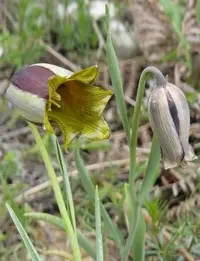
Bulb clump division
Every 3–4 years, lift and gently separate congested bulb clumps in late winter or just after flowering, replanting them at the same depth to maintain vigorous blooming and prevent overcrowding.


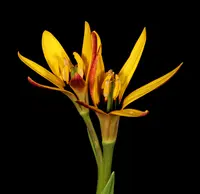
Citron zephyrlily, Zephyranthes citrina, is a small bulb-forming perennial often grown for its bright, lemon-yellow, crocus-like flowers. It typically produces narrow, grass-like leaves and blooms in short, flushes after rain or watering, giving it the common name rain lily.
This species is native to parts of Central and South America but is widely cultivated in warm and mild climates as an ornamental border or container plant. Gardeners who learn how to care for citron zephyrlily usually find it manageable, as it tolerates short dry spells and basic neglect.
It prefers a sunny to lightly shaded spot with moderately moist, well-drained soil, and it responds well to seasonal rest periods between active growth flushes.

Care Difficulty
Easy Care

Light Preference
Full Sun

Water Requirements
Moderate Water

Temperature Preference
Tropical / Frost Sensitive

Hardiness Zone
9–11

Soil Texture
Sandy, Loamy, Organic-rich

Soil pH
Acidic (5.5–6.5), Slightly acidic (6.5–7.0)

Soil Drainage
Well-drained

Fertilization
Light (every 4–6 weeks)
Scan your plant to receive care tips personalized for your specific plant
Available on iOS and Android
This bulb prefers bright outdoor exposure with a balance of direct sun and light shade.
Watering should support strong growth and flowering without leaving the bulbs in saturated soil.
Stable warmth supports growth and flowering, while cold protection preserves the bulbs long term.
This species handles typical indoor humidity well and rarely needs special adjustment.
Zephyranthes citrina grows best in loose, well-drained, slightly sandy soil that never stays waterlogged around the bulbs.
This species is well suited to container growing for patios, balconies, or small outdoor spaces.
Light feeding keeps citron zephyrlily bulbs blooming well without causing weak, lush growth.
Pruning needs for Zephyranthes citrina are minimal and focus mainly on cleanliness rather than shaping.
Container-grown rain lily clumps benefit from occasional division and fresh substrate rather than frequent repotting.
Rain lilies like Zephyranthes citrina are commonly propagated by bulb division, with seeds used mainly for breeding or larger increases.
In mild climates, this rain lily needs little winter attention, but bulbs in colder regions require more planning.

Plant Health Check
Not sure what's wrong with your plant? Check your plant's health inside the app.
This species often remains as grassy foliage for weeks, then sends up flowers in response to natural rainfall or a thorough soaking, which is why it is commonly called a rain lily. The yellow blooms typically appear within a few days of moisture, reflecting an adaptation to monsoon-like climates.
Its flowers are a clear, citron-yellow funnel shape, unlike many other rain lilies that are white or pink. This distinct color and form make it useful in breeding programs to introduce yellow tones into hybrid Zephyranthes lines.
The plant survives seasonal drought through small underground bulbs that store water and nutrients. In its native and naturalized habitats, these bulbs allow it to go dormant through dry periods and re-sprout quickly once rains return.

In some regions, this species has naturalized so effectively along roadsides, lawns, and open fields that it is often mistaken for a native wildflower, demonstrating how ornamental bulb introductions can subtly reshape local plant communities over time.
Poor flowering usually comes from insufficient light, depleted bulbs, or lack of a short dry rest. Allow foliage to mature, avoid constant moisture, provide a light, balanced feed, and ensure bulbs are not planted too deeply.
Keep your plants happy and healthy with plant identification, disease detection, and easy care guidance.