Drummond's rain lily Care (Zephyranthes drummondii)

Also known as: evening rainlily, rain lily, prairie lily
Drummond's rain lily

About Drummond's rain lily

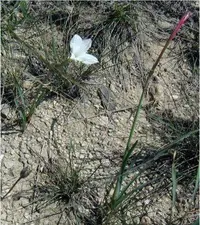
Drummond's rain lily (Zephyranthes drummondii) is a small bulb-forming perennial known for its star-shaped white flowers that appear after warm rains. It forms neat clumps of narrow, grass-like leaves and short flower stems, giving a tidy, low-growing look.

This species is native to parts of the southern United States and northern Mexico, where it grows in open, well-drained sites. It is generally easy to grow if provided with sun, good drainage, and occasional moisture, making it suitable for borders, rock gardens, and containers. Understanding how to care for Drummond's rain lily mainly involves balancing periods of growth and natural rest after flowering.

Main Plant Requirements

Care Difficulty

Easy Care

Light Preference

Full Sun

Water Requirements

Moderate Water

Temperature Preference

Warm Climate

Hardiness Zone

7–10

Soil Texture

Sandy, Loamy, Rocky

Soil pH

Slightly acidic (6.5–7.0), Neutral (7.0)

Soil Drainage

Well-drained

Fertilization

Minimal (feed rarely)

Get Personalized Care Plan

Scan your plant to receive care tips personalized for your specific plant

Available on iOS and Android

How to Care for the Drummond's rain lily

This species thrives in bright outdoor conditions with strong seasonal sun changes.

  • Provide 6–8 hours of direct sun daily, ideally with morning sun and light afternoon shade, especially in hotter regions.
  • Tolerates light partial shade (3–4 hours direct sun) but flowering of Drummond's rain lily decreases if shaded for most of the day.
  • In summer, protect from intense late-afternoon sun that can scorch leaves; in cooler seasons, choose the sunniest spot to support bud formation.

Watering should mimic brief rains followed by drying periods around the bulbs.

  • During active growth and blooming, water when the top 3–5 cm of soil feels dry, letting water soak through and then drain completely.
  • Use fast-draining soil; prolonged soggy conditions cause bulb rot, yellowing leaves, and a soft, collapsing crown in Zephyranthes drummondii.
  • In winter dormancy or dry rest periods, reduce watering sharply, giving only light sips if bulbs are in soil to prevent complete shriveling.

Temperature management focuses on warm growing seasons and protection from hard frost.

  • Optimal growth occurs at 70–85°F (21–29°C), with good flowering in warm, settled late spring and summer conditions.
  • The bulbs tolerate short dips to about 25–28°F (-4 to -2°C) if soil is well drained, but repeated freezes can damage buds and foliage.
  • In very hot weather above 95°F (35°C), flowering may pause; mulch lightly to moderate soil temperature and avoid reflected heat from pavement.

Humidity is a minor factor for this species and it adapts well to typical indoor and outdoor air levels.

Zephyranthes drummondii grows best in light, sharply drained soil that never stays waterlogged.

  • Use a sandy or sandy-loam mix with 30–50% coarse sand or fine grit to keep the root zone open.
  • Blend in 20–30% compost for moderate fertility but avoid heavy peat that stays wet for long periods.
  • Aim for slightly acidic to neutral pH, around 6.0–7.2, which supports nutrient availability without causing toxicity.
  • In heavy native clay, raise the planting area or use a gritty container mix to improve drainage and bulb aeration.

This species is well suited to container growing in sunny outdoor spots.

  • Choose a pot at least 18–20 cm deep so the bulbs can sit several centimeters below the rim without crowding.
  • Use a heavy clay or ceramic pot in windy locations to reduce tipping when foliage and flowers are tall and exposed.
  • Elevate the pot on feet or bricks so drainage holes stay clear and excess water escapes quickly after storms or irrigation.

This species is light-feeding, so focus on modest nutrition that supports flowering without pushing soft, weak growth.

  • Use a balanced, water-soluble fertilizer around 10-10-10 or 20-20-20 at 1/4–1/2 label strength for Drummond's rain lily in active growth.
  • Feed every 4–6 weeks during the warm growing season if soil is low in organic matter.
  • Skip synthetic fertilizer in winter dormancy; rely only on existing soil nutrients.
  • In richer beds, a thin topdressing of compost once in spring is usually sufficient.

Zephyranthes drummondii needs minimal pruning, mainly to keep the clump tidy and disease-free.

  • Use clean scissors or hand pruners to remove yellowed, dead, or damaged leaves at the base whenever noticed.
  • After flowering, snip off spent flower stalks to reduce seed set and help conserve energy for bulbs.
  • Avoid cutting healthy green foliage during the growing season, as leaves are needed to recharge bulbs.
  • In late fall, clear away dry, collapsed foliage to improve airflow and reduce overwintering pests.

This bulb-forming plant dislikes frequent disturbance, so repot or transplant only when clearly necessary.

  • Look for tightly packed clumps, bulbs pressed against container sides, or reduced flowering as signs it needs more space.
  • Plan division and transplanting in late fall or very early spring while bulbs are dormant or just emerging.
  • Every 3–5 years is usually enough; lift clumps gently, separate bulbs by hand, and discard any soft or rotted ones.
  • Replant bulbs at the original depth in well-drained soil, water lightly, and keep evenly moist until growth resumes to limit transplant shock.

Multiplying this species is straightforward through bulb division, with seed used mainly for larger-scale or genetic diversity.

  • Divide established clumps in late fall or early spring when foliage is dormant or just starting to grow.
  • Gently separate offsets (small bulbs) from the parent bulb, keeping basal plates and roots intact.
  • Replant offsets in well-drained soil, spacing bulbs so they do not touch, and water to settle soil around roots.
  • For seed propagation, sow fresh seed on the surface of a gritty mix, keep lightly moist, and maintain warm temperatures for steady germination.

Zephyranthes drummondii is fairly cold tolerant where winters are mild, but bulbs benefit from simple protection in colder zones.

  • In-ground plants in climates down to about 10–15°F usually overwinter if soil drains well.
  • Apply a 5–8 cm layer of dry mulch over the bulb zone after the ground cools to buffer freeze–thaw cycles.
  • For containers in colder areas, move pots into a cool, frost-free garage or porch and keep soil just barely moist.

Care Tips

Bulb crowding strategy

Plant bulbs in tight clumps (5–10 bulbs spaced 3–5 cm apart) and leave them undisturbed for several years to encourage heavier, more synchronized flowering flushes after summer rains.

Summer dry rest

After the main flowering flush, allow the soil to dry more between natural rain events or irrigations to mimic its native summer-dry cycle, which helps bulbs store energy and form offsets.

Storm-simulated watering

When long dry spells occur in summer, provide a single deep watering rather than frequent light irrigation to imitate a storm event, which is more effective at triggering flowering than small daily amounts.

Low-competition planting

Site bulbs in open pockets or in front of shallow-rooted groundcovers and avoid aggressive turf or deep-rooted perennials so that the small root system is not outcompeted for moisture during its active season.

Mark dormant locations

When foliage dies back and bulbs are invisible, mark clumps with discreet labels or stones to prevent accidental digging or overplanting, which is especially useful when caring for Drummond's rain lily in mixed borders.

Common Pests and Diseases

Narcissus bulb fly

This pest targets bulbs, where larvae tunnel inside and destroy the growing point, leading to weak or missing foliage and failure to flower. Symptoms include sudden collapse of individual clumps despite otherwise good conditions.

Solution

Lift suspect bulbs and inspect for soft, brown, or hollow centers with creamy maggots inside, then discard all infested bulbs and any obviously damaged neighbors. Replant only firm, healthy bulbs, use fine mesh or fleece over the planting area during peak adult fly activity in late spring, and avoid leaving old bulbs or bulb debris in the soil, which attracts egg‑laying females.

Bulb mites

These insects are tiny, often invisible to the naked eye, and feed inside stored or in‑ground bulbs, causing slow emergence, distorted foliage, and poor flowering. Symptoms include bulbs that feel slightly spongy with brown, corky patches near the basal plate.

Solution

Remove and discard heavily infested bulbs, then dry any remaining firm bulbs in a warm, airy place for several days before replanting in fresh, well‑drained soil. Reduce future problems by avoiding mechanical damage to bulbs, never storing them in damp conditions, and rotating planting sites so old bulb debris does not build up.

Spider mites

These insects thrive in hot, dry conditions and feed on the foliage, causing fine stippling, dull or silvery leaves, and sometimes light webbing between blades. Symptoms include leaves yellowing prematurely and looking dusty even when the soil is adequately moist.

Solution

Rinse foliage thoroughly with a firm stream of water, including the leaf bases, then repeat every few days until new growth appears clean. Increase ambient humidity around the plants, remove heavily damaged leaves, and if needed apply a horticultural oil or insecticidal soap, making sure to coat both sides of the foliage according to label directions for Zephyranthes drummondii care.

Botrytis blight

This disease is a fungal infection favored by cool, damp, and crowded conditions, leading to water‑soaked spots on leaves or flower stalks that turn brown and may develop gray, fuzzy mold. Symptoms include buds that fail to open and flower stems that bend or collapse at infected areas.

Solution

Promptly remove and discard all affected leaves, flowers, and plant debris, then improve spacing and airflow so foliage dries quickly after rain or watering. Water at soil level early in the day, avoid wetting the leaves, and in areas with repeated outbreaks consider a labeled preventive fungicide during prolonged cool, wet weather.

Basal bulb rot

This disease primarily affects the basal plate of the bulb, often following prolonged wet soil or mechanical injury, and leads to yellowing, stunted foliage and eventual collapse of the clump. Symptoms include bulbs that are soft, discolored, and emit an unpleasant odor when dug up.

Solution

Dig up and discard all soft or discolored bulbs, along with any surrounding soil that appears waterlogged, then replant only firm bulbs in a new location with excellent drainage. To prevent recurrence, avoid overwatering, amend heavy soils with grit or coarse sand, plant bulbs at the recommended depth, and rotate sites so bulbs are not repeatedly grown in the same saturated area.

Interesting Facts

Night-fragrant blooms

The large white flowers open mostly in the evening or at night and release a noticeable sweet fragrance, which is thought to help attract nocturnal pollinators such as moths in its native habitats of Texas and northern Mexico.

Adapted to dry caliche

This species naturally grows in alkaline, calcareous soils, often over caliche (a hard, calcium-rich layer), making it unusually tolerant of high pH and relatively dry conditions compared with many other rain lilies.

Cool-season growth pattern

In much of its native range, foliage often grows actively in cooler seasons and can go dormant during periods of summer heat or drought, so its aboveground appearance can change dramatically over the year even though the bulbs remain alive underground.

Botan icon

Did you know?

Drummond's rain lily is one of the few North American Zephyranthes species with reliably cold-hardy bulbs, surviving winter temperatures that damage or kill many related tropical rain lilies, which has made it valuable in breeding programs aimed at improving cold tolerance in ornamental bulbs.

FAQs about Drummond's rain lily

Lack of blooms usually relates to insufficient light, crowded bulbs, or a dry rest period not being respected. Allow foliage to die back naturally, avoid overfertilizing with high nitrogen, and divide congested clumps every few years.

Grow Healthy Plants with Botan Care

Keep your plants happy and healthy with plant identification, disease detection, and easy care guidance.

Botan plant care app — identify plants on mobile

Explore More Plants