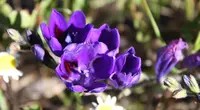
Seven-year Hyacinth Care (Scilla hyacinthoides)

Seven-year Hyacinth

About Seven-year Hyacinth

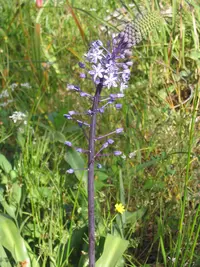
Seven-year hyacinth, Scilla hyacinthoides, is a bulb-forming perennial known for tall flower spikes covered in many small, star-shaped blue to violet blooms. It sends up strap-like green leaves from underground bulbs, then a strong central stalk that creates a striking vertical accent in late winter or spring.

This species is native to the eastern Mediterranean region, where it grows in open, often rocky places with mild, wet winters and dry summers. It tends to be robust once established, but the bulb habit and seasonal dormancy mean gardeners need to understand how to care for Seven-year Hyacinth so it is not overwatered when resting. It generally prefers sunny positions, well-drained soil, and moderate moisture during active growth.

Main Plant Requirements

Care Difficulty

Easy Care

Light Preference

Full Sun

Water Requirements

Moderate Water

Temperature Preference

Cool Climate

Hardiness Zone

6–9

Soil Texture

Sandy, Loamy, Rocky

Soil pH

Acidic (5.5–6.5), Slightly acidic (6.5–7.0)

Soil Drainage

Well-drained

Fertilization

Minimal (feed rarely)

Get Personalized Care Plan

Scan your plant to receive care tips personalized for your specific plant

Available on iOS and Android

How to Care for the Seven-year Hyacinth

This bulb prefers bright outdoor conditions that balance strong light with protection from harsh extremes.

  • Provide 4–6 hours of direct sun daily, ideally with morning sun and light afternoon shade, which supports sturdy flowering of Seven-year Hyacinth.
  • Grow in full sun in cool coastal or northern climates, but in hotter areas give filtered light or dappled shade after midday to prevent leaf scorch.
  • Avoid deep shade, which leads to weak, floppy growth and few blooms; in winter, bare branches overhead usually still allow enough light to reach the bulbs.

Watering should support active growth without leaving the bulbs in prolonged wet soil.

  • During active growth, water when the top 3–5 cm of soil are dry, aiming for soil that feels slightly moist but never soggy around the bulbs.
  • Ensure sharply drained soil; pooling water or heavy clay increases rot risk for Scilla hyacinthoides, especially if combined with cool temperatures.
  • Reduce watering once foliage begins to yellow and die back, and keep the soil almost dry when dormant, watching for shriveling bulbs as a sign of underwatering.

This bulb is adapted to mild, Mediterranean-type climates with cool, moist winters and warm, dry summers.

  • Active growth is best at 50–70°F (10–21°C), with flowering supported by cool to mild spring conditions rather than high heat.
  • Dormant bulbs tolerate down to about 15–20°F (-9 to -6°C) in well-drained soil; in colder regions, mulching helps buffer brief freezes.
  • In summer, bulbs handle 80–90°F (27–32°C) if soil stays relatively dry; prolonged heat with wet soil increases rot and stress.

Scilla hyacinthoides grows well in typical indoor humidity and rarely needs special adjustments.

  • Aim for 30–50% humidity; it tolerates occasional drier air without leaf damage.
  • Brown leaf tips and slow growth can indicate chronically very dry air combined with underwatering, rather than humidity alone.
  • If air is extremely dry, group pots together on a pebble tray to slightly elevate local humidity without wetting the bulbs.

Scilla hyacinthoides prefers loose, fast-draining soil that never stays waterlogged around the bulbs.

  • Use a sandy or loamy mix, such as 2 parts all-purpose potting mix, 1 part coarse sand, and 1 part perlite.
  • Ensure rapid drainage; water should flow through within seconds and the surface should dry within 1–2 days in active growth.
  • Keep pH slightly acidic to neutral (pH 6.0–7.0), avoiding strongly acidic or alkaline soils that reduce nutrient availability.
  • Avoid heavy clay, compacted layers, or mixes high in un-decomposed manure, which trap moisture and increase bulb rot risk.

This bulb is suitable for container growing when the pot is prepared to prevent standing moisture around the bulbs.

  • Choose a pot at least 18–20 cm deep so bulbs can sit with 2–3 bulb-heights of mix beneath for root spread and anchoring.
  • Select a heavier material such as ceramic or clay outdoors to keep tall flower spikes stable in wind.
  • Elevate the pot on feet or bricks so drainage holes stay clear and excess water runs off quickly after rain or watering.

Scilla hyacinthoides is a hardy bulb that flowers well with only light feeding in average garden soil.

  • Apply a balanced 5-10-10 or 10-10-10 granular fertilizer at a low rate once in early spring as new leaves emerge.
  • Use a thin layer of compost around the clumps after flowering to support bulb renewal without excessive vigor.
  • In containers, use a diluted balanced liquid feed at 1/4–1/2 strength every 4–6 weeks during active growth.
  • Stop feeding once foliage begins to yellow and during summer dormancy and winter rest, as the bulbs are not actively growing.

Scilla hyacinthoides needs minimal pruning, mainly to keep the planting tidy and support bulb health.

  • In late spring, deadhead spent flower spikes at the base using clean, sharp scissors or hand pruners.
  • Allow green foliage to die back naturally, removing only fully yellow or collapsed leaves to sustain bulb energy storage.
  • Cut away any diseased or damaged leaves immediately to reduce pathogen spread within dense clumps.
  • Avoid cutting healthy leaves early, as this can weaken bulbs and reduce flowering the following season.

This bulb is usually grown in the ground, with transplanting focused on adjusting crowded clumps rather than frequent repotting.

  • Transplant or lift and divide clumps every 3–5 years when flowering declines or bulbs push to the soil surface.
  • Choose late summer to early fall, when foliage is fully dormant, to reduce transplant shock and allow root re-establishment.
  • Gently lift bulbs with a fork, tease apart crowded offsets, discard any soft or diseased bulbs, and replant at the same depth.
  • Water lightly after transplanting, then keep soil just slightly moist until cool-season rains resume, avoiding waterlogging that can damage roots.

This species is most commonly propagated by bulb division, with seed used mainly for longer-term naturalizing.

  • Divide established clumps in late summer or early fall, when the bulbs are dormant and easy to handle.
  • Lift the clump, separate firm offsets from the parent bulb, and replant immediately at 2–3 times the bulb height.
  • Maintain loose, well-drained soil and moderate moisture after replanting to encourage new root growth before winter.
  • For seed propagation, sow fresh seed in trays outdoors, keep evenly moist, and expect flowering only after several years.

In many mild to moderately cold climates, Seven-year Hyacinth bulbs are winter hardy and need limited intervention.

  • In USDA zones around 7–9, bulbs usually overwinter in the ground without extra protection if soil drains well.
  • Apply a 2–5 cm layer of mulch over the planting area in colder or exposed sites to buffer temperature swings.
  • For containers in frost-prone areas, move pots to a sheltered, unheated space to prevent bulbs from freezing solid.

Care Tips

Mark Dormant Clumps

After foliage dies back, place small, durable markers where bulbs are planted so you do not disturb them when digging or replanting other perennials during summer and fall.

Use Grit Mulch

Top-dress the planting area with a thin layer of sharp grit or small gravel to reduce soil splash on leaves and flower spikes, improve surface drainage, and discourage rot at the bulb neck.

Controlled Naturalizing

If the plant self-seeds too freely, deadhead spent flower spikes before seed capsules harden, leaving only selected plants to mature seed where you want the colony to expand.

Staggered Planting Depths

When establishing a new patch, plant some bulbs 1–2 in deeper than others to create varied emergence times and a longer display period while growing Seven-year Hyacinth.

Companion Canopy Planning

Site bulbs among deciduous shrubs or perennials that leaf out later in spring so the flowers receive full light when blooming and then benefit from light shade as foliage ripens after flowering.

Common Pests and Diseases

Bulb mites

This pest attacks stored or in-ground bulbs, feeding on the basal plate and inner scales, which weakens growth and can lead to plant collapse. Symptoms include soft, corky, or brown patches on bulbs and weak, stunted shoots in spring.

Solution

Discard badly infested bulbs, then gently clean and dry any salvageable bulbs and replant only firm, healthy ones in free-draining soil. Rotate planting sites, avoid storing bulbs in damp conditions, and, if needed, use a sulfur or neem-based bulb dust before storage as part of broader Scilla hyacinthoides plant care.

Narcissus bulb fly

This pest lays eggs at the neck of bulbs, and the larvae tunnel inside, hollowing the bulb and preventing normal sprouting. Symptoms include missing shoots in spring, yellowed or distorted foliage, and bulbs that feel unusually light and hollow when lifted.

Solution

Remove and destroy affected bulbs, including any visible larvae, and do not compost them. Cover bulb beds with fine mesh during the adult fly period in late spring–early summer and plant bulbs a bit deeper to reduce egg-laying at the bulb neck.

Slugs and snails

These insects feed on the fleshy leaves and young flower spikes, creating irregular holes and sometimes stripping new growth entirely. Symptoms include shredded foliage, damaged buds, and slime trails on soil or leaves, especially after wet weather.

Solution

Hand-pick slugs and snails in the evening, use iron phosphate bait around plant clumps, and reduce hiding places by clearing debris and dense groundcover. Simple barriers, such as copper tape around containers or rough mulch, also help reduce access to emerging shoots.

Basal bulb rot

This disease is usually caused by soil-borne fungi that invade through wounds or prolonged moisture, rotting the basal plate and lower bulb. Symptoms include yellowing, premature collapse of leaves, and bulbs that show brown, water-soaked, or crumbly tissue at the base.

Solution

Lift and discard all obviously rotted bulbs and improve drainage by amending soil with grit or planting on raised beds. Avoid overwatering, space bulbs so soil dries between them, and sterilize tools before handling healthy bulbs to limit spread.

Gray mold (Botrytis)

This disease develops in cool, damp conditions on dense clumps, affecting leaves, buds, and fading flowers with soft spots and gray, fuzzy mold. Symptoms include water-soaked lesions on foliage, blighted flower spikes, and rapid collapse of affected tissue in wet weather.

Solution

Promptly remove and dispose of infected leaves and flower stems, avoiding overhead watering and improving air movement around plants by thinning crowded clumps. In persistently wet climates, use a preventive fungicidal spray labeled for ornamental bulbs at the start of the growing season if past infections were severe.

Interesting Facts

Mediterranean bulb strategy

This species grows from a subterranean bulb that allows it to survive long, dry Mediterranean summers in a dormant state and rapidly resume growth when cool, moist conditions return.

Showy spring spikes

In favorable conditions it produces tall spring inflorescences with dozens of star-shaped, bluish to violet flowers arranged along a single spike, creating a conspicuous vertical accent in natural meadows and gardens.

Naturalized beyond native range

Originally associated with eastern Mediterranean regions, this bulb has escaped cultivation and become naturalized in some areas with similar climates, where it can establish persistent, self-sown colonies.

FAQs about Seven-year Hyacinth

Lack of flowers is usually due to the bulb not getting a cool rest period, overcrowded clumps, or nutrient depletion. Allow foliage to die back naturally, avoid excessive nitrogen, and divide congested bulbs to restore flowering.

Grow Healthy Plants with Botan Care

Keep your plants happy and healthy with plant identification, disease detection, and easy care guidance.

Botan plant care app — identify plants on mobile

Explore More Plants