Siberian squill Identification (Scilla siberica)

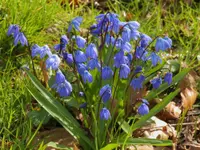
To recognize Siberian squill, look for a low bulb plant with 2 to 4 narrow, strap-shaped basal leaves and leafless flowering stems about 4 to 8 inches (10 to 20 cm) tall.

Each stem usually carries 1 to 3 nodding, star-shaped blue flowers with six petal-like tepals.

Scilla siberica Identification

Is This Siberian squill?

Check your plant ID by uploading a clear photo to Botan.

Clear images work best. Avoid photos taken too close or too far away

Use these quick traits to check Scilla siberica by eye.

  • Low bulb plant, usually about 4 to 8 inches (10 to 20 cm) tall.
  • Leaves are narrow, strap-like, and arise from the base in a small clump.
  • Each flower stem is leafless and typically carries a single nodding flower.
  • Flowers have 6 petal-like tepals, usually bright blue, opening into a star shape.
  • The flower center shows contrasting blue stamens with darker anthers.

Check the low height, basal leaves, and solitary nodding blue flowers together for the best visual match.

Scilla siberica shows clear visual changes between its leaf-only, flowering, and fruiting stages.

  • Young plant: Before blooming, the plant appears as a small basal clump of narrow, straplike leaves with no upright flowering stem, giving a low, tufted outline.
  • Flowering stage: At bloom, leaf tufts are joined by slender stems, bringing the plant to about 4 to 8 inches (10 to 20 cm) tall.
  • Mature plant: A mature flowering plant usually carries several basal leaves and one or more nodding blue flowers, so the outline looks more open and vertically layered.
  • Fruiting stage: After petals drop, the nodding flower is replaced by a small upright seed capsule, while the narrow leaves remain at the base.

In early to mid-spring, Scilla siberica appears quickly from the ground with narrow, strap-like leaves and nodding blue flowers. The bloom period is short, so flowering clumps are most noticeable in spring. By late spring to early summer, the flowers fade and seed capsules may be visible. Soon after, the leaves yellow and disappear as the plant goes dormant, leaving no above-ground growth for much of the year.

A few small spring bulbs are often mistaken for Siberian squill.

glory-of-the-snow(Scilla luciliae)

Often confused because both make early blue, starry flowers over narrow basal leaves. Glory-of-the-snow usually has flowers with a clear white eye and broader, more open petals, while Scilla siberica has nodding, bell-like flowers without a bold white center.

striped squill(Puschkinia scilloides)

This one can be mistaken for it at a glance because it is another short blue spring bulb with strap-like leaves. The quickest check is the flower: striped squill has pale blue to white petals marked by a darker blue stripe, not solid blue bells.

Scilla siberica is native to parts of eastern Europe and western Asia, including the Caucasus, northeastern Turkey, and nearby regions rather than Siberia. In the wild it occurs in open woodlands, forest margins, scrub, and mountain meadows. That habitat context helps with identification because this species is associated with cool-temperate woodland and meadow settings, often appearing in spring before tree canopies fully leaf out. The name can mislead, so range is a useful check.

  • Poisonous bulbs and foliage: Scilla siberica contains toxic compounds in the bulbs and also in the leaves and flowers. The main concern is ingestion by humans, dogs, and cats, which can cause poisoning.
  • Skin contact: Plant sap can irritate skin in some people after handling bulbs or foliage. This is a contact risk for humans rather than a poisoning risk.

Not Sure About the ID?

Use Botan to identify or confirm the plant from a photo so you can avoid mix-ups with similar plants.

FAQ

The clearest feature is its nodding, star-like blue flower with six petal-like tepals and a darker blue stripe on each segment. Each short stem usually carries one to three blooms above narrow basal leaves.

More Plant Identification Guides

Identify It. Learn More About It.

Identify a plant from a photo with Botan, then get plant details, care information, and common problems for the matching species.

Botan app identifying a plant from a photo
How to Bottom Water Plants: Complete Guide

6 min read · 13 Jul 2026

How to Bottom Water Plants: Complete Guide

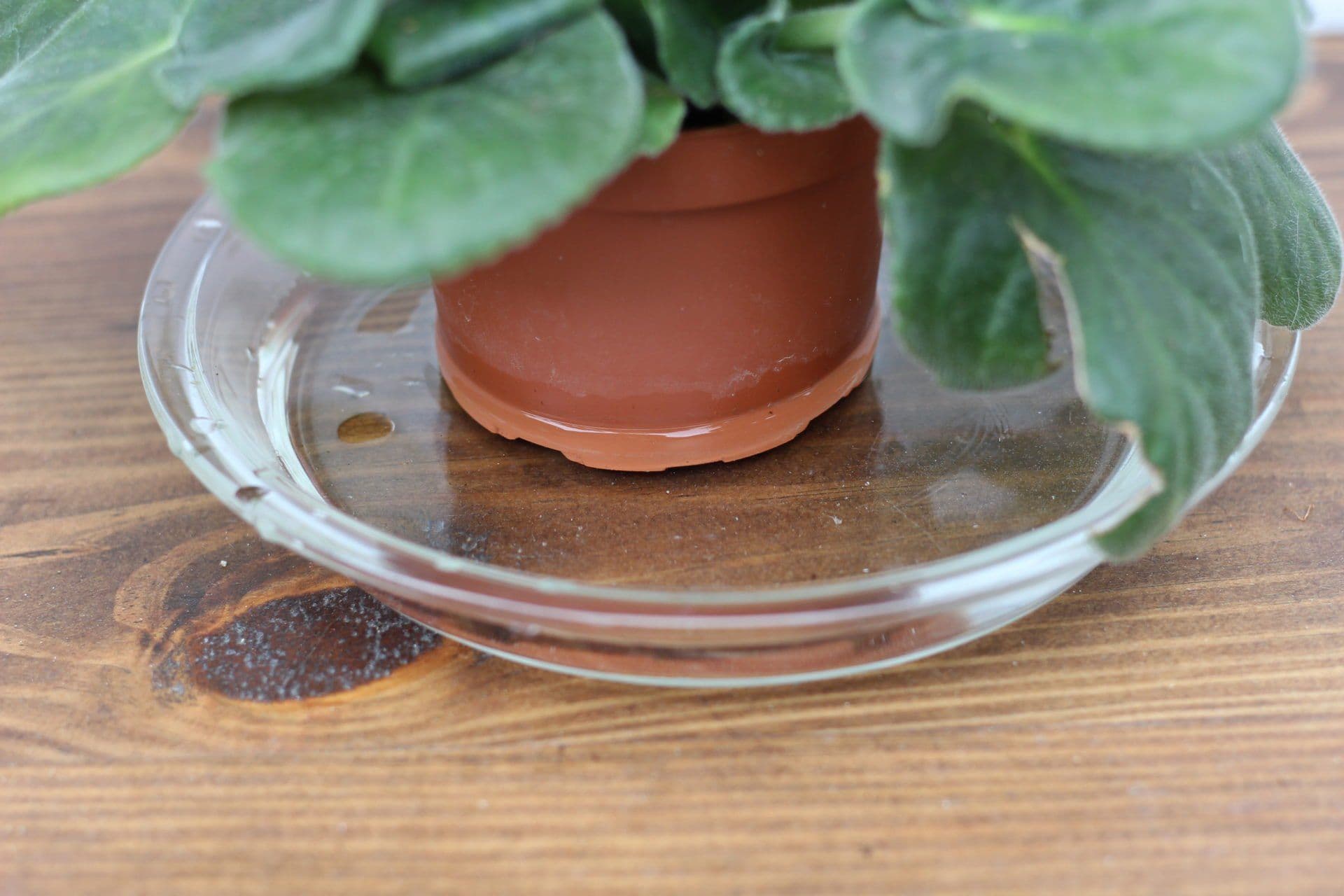
Bottom watering helps soil absorb moisture evenly and keeps foliage dry, reducing the risk of missed dry spots or root problems. Place the pot in a tray of water for a short time, then let it drain well.

Plant Care
How to Bottom Water Plants: Complete Guide
Plants That Repel Bugs – 20 Effective Options

12 min read · 16 Jul 2026

Plants That Repel Bugs – 20 Effective Options

Mosquitoes on the patio? Gnats in the kitchen? Some plants keep them away with the scent of their own leaves. Here are 20 that deal with mosquitoes, flies, aphids, and more, plus where to put them so they help.

Plant Recommendations
Plants That Repel Bugs – 20 Effective Options
Best Time to Mow Lawn – A Complete Guide

5 min read · 10 Aug 2026

Best Time to Mow Lawn – A Complete Guide

Explore when to mow your lawn for its health and a pleasant green color. Find out the best time for this task during the summer heat, and follow practical tips for correctly cutting the grass, and learn common mistakes to avoid.

Plant Care
Best Time to Mow Lawn – A Complete Guide