

Mulch For Cool Roots
Apply a 3–5 cm layer of shredded bark or leaf mold around the clump, keeping it 3–5 cm away from stems, to keep roots cool, conserve moisture, and suppress weeds without waterlogging the crown.

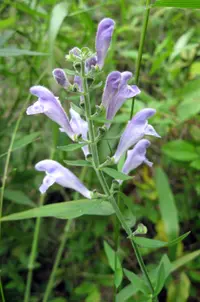
Helmet flower (Scutellaria integrifolia) is a small, clump-forming perennial herb in the mint family. It is grown mainly for its upright spikes of violet-blue, hooded blooms. Plants usually stay compact with narrow, lance-shaped leaves and a tidy, vertical habit that suits mixed borders and native plantings. In the wild, it occurs in open woods, prairies, and sandy or rocky clearings, especially in the eastern United States. It is generally moderate in difficulty, as it prefers consistent moisture, good drainage, and sun to light shade. Once you understand how to care for helmet flower, it can be a dependable, long-lived garden plant.

Care Difficulty
Moderate Care

Light Preference
Partial Sun

Water Requirements
Regular Water

Temperature Preference
Cold Hardy

Hardiness Zone
5–9

Soil Texture
Sandy, Loamy, Organic-rich

Soil pH
Acidic (5.5–6.5), Slightly acidic (6.5–7.0)

Soil Drainage
Moist but well-drained

Fertilization
Minimal (feed rarely)
Scan your plant to receive care tips personalized for your specific plant
Available on iOS and Android
This sun-loving perennial thrives in bright conditions with some protection from harsh extremes.
This species prefers steady soil moisture without staying saturated.
This hardy perennial tolerates a broad outdoor temperature range but grows best in moderate warmth.
This species tolerates a wide humidity range but grows best with moderate ambient moisture.
This species prefers loose, moderately moist, well-drained soil that does not stay waterlogged.
This species can be grown in containers if the pot and substrate are managed to prevent prolonged sogginess.
This native perennial needs only light feeding, so focus on supporting soil health rather than heavy fertilizer use when caring for helmet flower.
Pruning Scutellaria integrifolia is simple and mainly supports tidy growth and better flowering.
This species is most often grown in garden beds, so focus on careful transplanting rather than frequent repotting.
New plants are commonly produced from seed or by division of established clumps.
This hardy perennial usually needs minimal winter care in much of its range.

Plant Health Check
Not sure what's wrong with your plant? Check your plant's health inside the app.
This skullcap is native to the southeastern coastal plain of the United States, where it occurs mainly in open pinelands, savannas, and dry to mesic sandy soils rather than in wetlands like some related species.
The upper lip of each purple flower forms a pronounced hood or helmet, and the fruiting calyx develops a small shield-like lid (the scutellum) that can flip open to release the seeds.
It typically flowers in late spring to early summer, producing dense terminal spikes that offer nectar and pollen to bees and small pollinating insects during a seasonal gap when many other native wildflowers are not at peak bloom.
Lack of flowers usually comes from too much shade, nutrient-poor or overly rich soil, or immature plants. Ensure a sunny site, moderate fertility, and minimal disturbance of roots. Deadheading spent blooms can modestly extend the flowering period.
Keep your plants happy and healthy with plant identification, disease detection, and easy care guidance.

 POPULAR
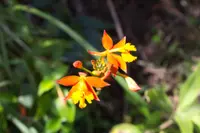
Fire-star orchid
Epidendrum radicans
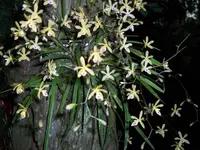
Florida butterfly orchid
Encyclia tampensis
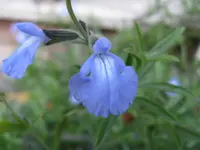
azure blue sage
Salvia azurea
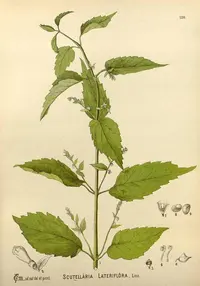
mad dog skullcap
Scutellaria lateriflora
Slender parsley-piert
Alchemilla australis
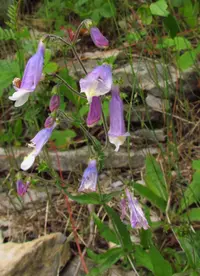
hairy beardtongue
Penstemon hirsutus
fan lady's mantle
Alchemilla flabellata
American jumpseed
Persicaria virginiana