Sedum candolleanum Care

Sedum candolleanum

About Sedum candolleanum

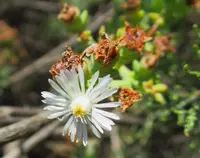
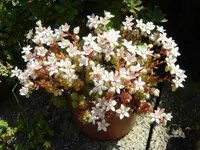
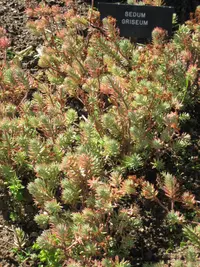
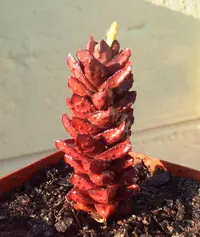
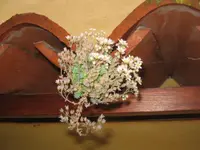
Sedum candolleanum is a small, mat-forming succulent belonging to the stonecrop group. It has fleshy leaves and compact stems that create low, spreading clumps. Leaf color often ranges from green to bluish-green, sometimes taking on warmer tones in strong light. This growth habit makes it suitable for rock gardens, troughs, and small containers.

The species occurs naturally in parts of the Himalayas, where it grows in rocky, well-drained sites with good light. Its drought tolerance and modest nutrient needs make it relatively easy to manage for most growers. Understanding how to care for Sedum candolleanum mainly involves providing bright light, lean, fast-draining soil, and avoiding constant wetness around the roots.

Main Plant Requirements

Care Difficulty

Easy Care

Light Preference

Full Sun

Water Requirements

Low Water

Temperature Preference

Warm Climate

Hardiness Zone

9–11

Soil Texture

Sandy, Loamy, Rocky

Soil pH

Slightly acidic (6.5–7.0), Neutral (7.0)

Soil Drainage

Well-drained

Fertilization

Minimal (feed rarely)

Get Personalized Care Plan

Scan your plant to receive care tips personalized for your specific plant

Available on iOS and Android

How to Care for the Sedum candolleanum

This sun-loving succulent performs best with strong light and good air circulation.

  • Provide 6–8 hours of direct sun daily, ideally with morning to early afternoon exposure and some protection from harsh late-afternoon summer sun in very hot climates.
  • Tolerates light partial shade (3–4 hours direct sun) but stems may stretch and foliage color fades if light drops for long periods.
  • Monitor leaves for bleaching, shriveling, or scorched patches as a sign of excessive intense sun, adjusting placement or adding light shade during peak summer months.

Watering should be infrequent and guided by soil dryness rather than a fixed schedule.

  • Allow the top 3–5 cm of soil to dry completely before watering; in well-drained ground this often means long intervals between deep soakings.
  • Increase watering slightly during active growth and flowering, then reduce in cooler months when growth slows and evaporation is lower.
  • Watch for soft, translucent, or yellowing leaves and a sour soil smell as overwatering signs, while wrinkled, deflated leaves and very light, dusty soil indicate underwatering for Sedum candolleanum.

This hardy succulent tolerates a wide temperature range but grows best in moderate conditions.

  • Aim for active growth in 65–80°F (18–27°C), where foliage stays firm and growth is compact without excessive stretching.
  • Mature plants typically survive short dips down to about 10–15°F (-12 to -9°C) if soil drains well, but repeated freeze–thaw in soggy ground increases rot risk.
  • In hot periods above 90°F (32°C), provide extra airflow and slight afternoon shade; in colder seasons, expect slower growth and potential foliage dieback that resumes once temperatures rise.

This drought-tolerant succulent accepts a wide humidity range and rarely needs special humidity control.

  • Performs well at 30–60% humidity, similar to most heated and air-conditioned homes.
  • Handles very dry air without added trays, humidifiers, or grouping with other plants.
  • True stress shows more from overwatering than low humidity, so focus on light and watering rather than raising humidity.

Sedum candolleanum needs sharply draining, mineral-rich soil that dries quickly after watering.

  • Use a gritty, sandy mix such as 50–60% cactus/succulent mix blended with coarse sand, pumice, or perlite for strong aeration.
  • Aim for slightly acidic to neutral pH around 6.0–7.0, avoiding very acidic or saline conditions that restrict root function.
  • Ensure water runs through within seconds and the pot never stays soggy, which leads to root and stem rot in this species.
  • Avoid dense loam, clay-heavy soil, or mixes with high peat content unless heavily amended with mineral grit to improve drainage and air spaces.

This species is well suited to container growing when drainage and shallow root space are managed carefully.

  • Choose a wide, shallow pot to match its spreading root system and reduce the risk of water collecting at depth.
  • Prefer unglazed terracotta if outdoor conditions are wet, since it allows faster evaporation and lowers rot risk.
  • Elevate the pot slightly on feet or bricks so drainage holes stay clear and excess water escapes quickly after rain or watering.

This drought-tolerant succulent needs only light feeding to stay compact and healthy.

  • Use a diluted balanced liquid fertilizer (around 10-10-10) at 1/4–1/2 strength in well-drained soil.
  • Feed once at the start of active growth in spring, and again in mid-summer if growth appears weak.
  • Avoid fertilizing in fall and winter, when Sedum candolleanum slows down or goes dormant.
  • Do not apply compost or rich slow-release products that can cause soft, leggy growth and root rot.

Pruning helps maintain a tidy, compact form and supports healthy new growth.

  • Best timing is late winter to early spring, before strong new growth starts.
  • Cut back dead, damaged, or leggy stems with clean, sharp scissors or hand pruners.
  • Lightly trim after flowering to encourage denser branching and prevent stems from flopping.
  • Remove crowded or shading stems to improve airflow and reduce moisture-related disease.

This species prefers stable conditions and only occasional repotting or transplanting.

  • Repot or transplant in spring when roots circle the pot or growth slows despite good light.
  • For containers, move to a pot only 2–3 cm wider, using gritty, fast-draining cactus or succulent mix.
  • Water lightly after repotting and keep in bright, indirect light for 5–7 days to limit root stress.
  • For garden clumps, lift and replant sections every 3–4 years to refresh crowded patches and soil.

Sedum candolleanum is commonly propagated to expand groundcover patches or share plants.

  • Take 5–8 cm stem cuttings in late spring or summer, allowing cuts to callus for 1–2 days.
  • Set cuttings on or just in gritty, barely moist mix under bright, indirect light until rooted.
  • Divide mature clumps in spring, replanting firm, healthy sections at the same soil depth.
  • Seeds need well-drained soil, light surface sowing, and consistent, light moisture to germinate.

This succulent is moderately cold tolerant but benefits from basic winter precautions in colder regions.

  • In-ground plants handle light frost but may suffer in prolonged freezes or wet, cold soil.
  • Apply a thin gravel or stone mulch to improve drainage around the crown and roots.
  • Reduce watering sharply in winter, especially outdoors or in cool indoor spots.
  • Move containers indoors or under cover if temperatures drop well below local hardiness levels.

Care Tips

Encourage Compact Growth

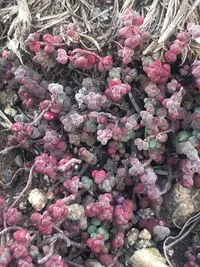
Shear back lanky stems by 1/3 in late spring to early summer to promote denser, ground-hugging mats and reduce gaps that invite weeds when growing Sedum candolleanum.

Use Mineral Mulch

Top-dress around the plant with a thin layer (0.5–1 in) of coarse gravel or grit instead of organic mulch to keep stems dry at the base and reduce rot in wet periods.

Improve Winter Drainage

In regions with wet winters, slightly mound the planting area 5–10 cm high or plant in a raised bed so excess water runs off and roots stay aerated.

Divide For Rejuvenation

Every 3–4 years, lift and divide crowded mats in early spring, discarding any woody or rotted centers and replanting only the firm, actively growing outer sections.

Quick Stem Propagation

When trimming, press healthy, non-flowering stem pieces onto the soil surface or into a gravelly top layer so they root along the nodes and quickly fill in bare patches.

Common Pests and Diseases

Aphids

This pest feeds on young, tender stems and flower buds, causing distortion and sticky honeydew on Sedum candolleanum mats. Symptoms include curling growth, slowed vigor, and sometimes sooty mold growing on the honeydew.

Solution

Rinse colonies off with a firm stream of water, then spot-treat remaining clusters with insecticidal soap or a ready-to-use neem oil spray, repeating weekly until under control. Encourage natural predators like lady beetles and avoid high-nitrogen fertilizer that stimulates overly soft, aphid-prone growth.

Mealybugs

These insects hide in stem joints and under leaves, forming white, cottony masses that suck sap and weaken stems. Symptoms include stunted growth, yellowing segments, and sticky residue on or around the plant.

Solution

Isolate affected plants, then dab visible mealybugs with cotton swabs dipped in 70% isopropyl alcohol to dissolve their protective coating. Follow with a thorough spray of insecticidal soap or neem oil, focusing on crevices, and repeat every 7–10 days until no new insects appear.

Scale insects

This pest appears as small, brown or gray, shell-like bumps on stems and leaves, often blending with the plant’s texture. Symptoms include patchy yellowing, reduced vigor, and gradual dieback of individual stems or patches in the clump.

Solution

Gently scrape or rub off visible scale with a soft cloth or fingernail, then treat the plant with horticultural oil to suffocate remaining insects and eggs. Improve air circulation around clumps and monitor regularly, treating new outbreaks early before they spread through the mat.

Powdery mildew

This disease causes a white, powdery coating on leaves and stems, which is more likely in dense, humid plantings with limited airflow. Symptoms include dull, discolored foliage and reduced growth, especially on shaded portions of the mat.

Solution

Increase sun exposure and spacing, thinning crowded stems to improve airflow across the surface. Remove and discard heavily covered sections, then apply a sulfur-based or potassium bicarbonate fungicide labeled for ornamentals, making sure foliage dries quickly after watering as part of Sedum candolleanum care instructions.

Leaf spot

This disease produces small, brown to black spots on leaves that can coalesce and cause premature leaf drop in prolonged wet conditions. Symptoms include patchy thinning of the mat and unsightly speckling on individual leaf segments.

Solution

Remove and discard affected leaves and any fallen debris around the plant to reduce pathogen sources. Water at the soil level rather than overhead, improve drainage, and, if spotting persists, apply a copper-based fungicide according to the label, focusing on drying foliage faster after rain or irrigation.

Interesting Facts

Western Himalaya specialist

This species is native to the western Himalaya, especially in parts of India and Pakistan, where it grows on rocky slopes and stone walls in relatively dry, high-elevation habitats.

Mat-forming succulent habit

The plant forms low, spreading mats with fleshy leaves that store water, an adaptation that lets it survive in shallow, fast-draining mountain soils with strong sun and irregular rainfall.

Late-season nectar source

Its small star-shaped yellow flowers, produced in clusters, provide nectar and pollen for bees and other insects during the warmer season in its native range, when many alpine plants have already finished flowering.

FAQs about Sedum candolleanum

This species is generally evergreen in mild climates, holding foliage year-round. In colder regions it may partly die back or look sparse in winter, then resume active growth once temperatures rise and days lengthen.

Grow Healthy Plants with Botan Care

Keep your plants happy and healthy with plant identification, disease detection, and easy care guidance.

Botan plant care app — identify plants on mobile

Explore More Plants