

Encourage Compact Growth
Pinch back soft tips in early spring to keep stems dense and avoid a stretched, leggy mat, especially in containers or rock crevices.

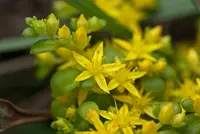
Sedum formosanum is a small, mat-forming succulent native to Taiwan, often called a stonecrop. It forms low cushions of fleshy, bead-like leaves on trailing stems. In good light the foliage can take on yellow-green tones, and clusters of small star-shaped flowers may appear, adding seasonal interest. This species is often used in rock gardens, containers, and green roofs where a drought-tolerant groundcover is needed. It is generally easy to grow, as it tolerates poor soils and short dry periods. To care for Sedum formosanum, provide plenty of light, good drainage, and avoid consistently wet conditions.

Care Difficulty
Easy Care

Light Preference
Full Sun

Water Requirements
Low Water

Temperature Preference
Warm Climate

Hardiness Zone
9–11

Soil Texture
Sandy, Loamy, Rocky

Soil pH
Slightly acidic (6.5–7.0), Neutral (7.0)

Soil Drainage
Well-drained

Fertilization
Minimal (feed rarely)
Scan your plant to receive care tips personalized for your specific plant
Available on iOS and Android
This sun-loving succulent needs bright exposure to stay compact and colorful.
This species prefers infrequent, deep watering and fast-drying soil.
This succulent grows best in warm, mild conditions and dislikes hard frost.
This succulent tolerates typical indoor humidity and does not need extra moisture in the air.
Sedum formosanum prefers a lean, sharply drained, mineral-based substrate.
This species is well suited to container growing, including shallow dishes and rock-garden troughs.
This succulent requires only light feeding to maintain compact, healthy growth.
Pruning is mainly used to keep Sedum formosanum compact and to remove tired growth.
This species tolerates being slightly root-bound and only needs infrequent repotting or transplanting.
Sedum formosanum is commonly multiplied from stem pieces and divisions for quick increase.
This succulent is only moderately frost tolerant and benefits from simple winter precautions in colder areas.

Plant Health Check
Not sure what's wrong with your plant? Check your plant's health inside the app.
Sedum formosanum is naturally restricted to Taiwan, where it occurs on rocky slopes and open, often exposed habitats, mostly at low to mid elevations.
This species has short, fleshy, needle-like leaves arranged densely along the stems, an adaptation that helps reduce water loss in its seasonally dry, rocky environments.
Mature plants produce small, bright yellow, star-shaped flowers in clusters, a typical floral structure in Sedum that supports insect pollinators such as bees and small flies.
Lack of flowers often comes from insufficient light, overly rich or wet soil, or excessive nitrogen fertilizer. Provide strong light, lean well-drained substrate, and avoid frequent feeding to promote compact growth and reliable summer flowering.
Keep your plants happy and healthy with plant identification, disease detection, and easy care guidance.

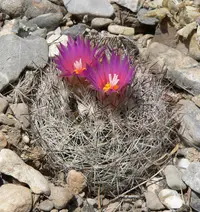
spinystar
Escobaria vivipara
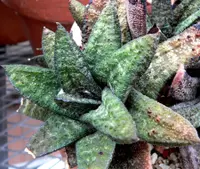
Knoppies Oxtongue
Gasteria batesiana
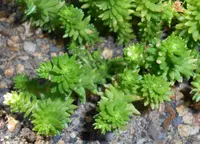
Sedum goldmanii
Sedum goldmanii
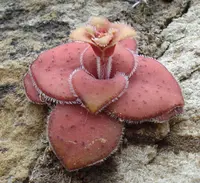
Crassula compacta
Crassula compacta
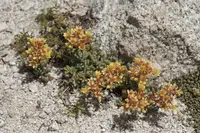
Sierra stonecrop
Sedum obtusatum
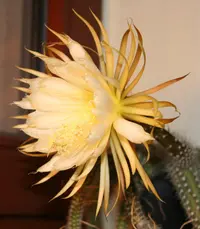
Selenicereus validus
Selenicereus validus
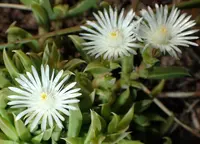
White Gardenroute Sheepfig
Delosperma inconspicuum
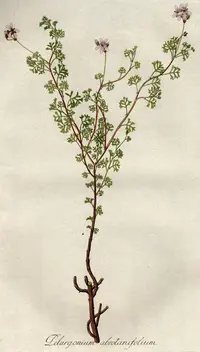
Southernwood-leaf Storksbill
Pelargonium abrotanifolium