Sedum goldmanii Care

Sedum goldmanii

About Sedum goldmanii

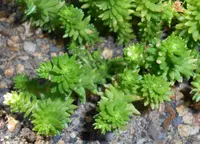
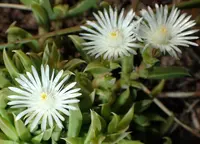
Sedum goldmanii is a small, trailing succulent from rocky habitats in Mexico. It forms low, mat-like carpets with tiny fleshy leaves and delicate yellow flowers. The stems often cascade over pot edges, which makes it suitable for hanging baskets, rock gardens, and container edges. Its compact growth and interesting texture add detail without taking much space. This sedum prefers bright light, good airflow, and very well-drained, gritty soil, with infrequent watering. It stores water in its leaves, which increases drought tolerance and makes it relatively forgiving for beginners. These traits mean that, once established, it is generally easy to care for Sedum goldmanii in typical indoor or patio conditions.

Main Plant Requirements

Care Difficulty

Easy Care

Light Preference

Full Sun

Water Requirements

Low Water

Temperature Preference

Warm Climate

Hardiness Zone

9–11

Soil Texture

Sandy, Loamy, Rocky

Soil pH

Slightly acidic (6.5–7.0), Neutral (7.0)

Soil Drainage

Well-drained

Fertilization

Minimal (feed rarely)

Get Personalized Care Plan

Scan your plant to receive care tips personalized for your specific plant

Available on iOS and Android

How to Care for the Sedum goldmanii

This sun-loving succulent thrives with strong light and can handle outdoor conditions in many warm regions.

  • Provide 6–8 hours of direct sun daily, ideally with gentle morning sun and some protection from harsh mid-afternoon summer rays.
  • Accepts light partial shade, but Sedum goldmanii stays more compact and colorful in brighter sun; in shade it stretches, greens up, and may bloom less.
  • In hot summers, use light afternoon shade or filtered light to prevent leaf scorch; in winter, maximize sun exposure, especially in cooler, low-light climates.

This drought-tolerant succulent prefers infrequent, deep watering and fast-drying soil.

  • Water only when the top 3–5 cm of soil are completely dry; leaves should look firm, not shriveled, before watering again.
  • Ensure very sharp drainage with sandy or gritty soil; pooling water or soggy spots around roots strongly increases rot risk.
  • Reduce watering in cool seasons, stopping almost entirely during cold, dormant periods; mushy leaves or blackened stems signal overwatering, while soft, wrinkled leaves suggest underwatering.

This species favors warm, dry conditions and endures brief cold better than prolonged wet and chilly weather.

  • Aim for 65–80°F (18–27°C) during active growth for best color and compact form, with low to moderate humidity.
  • Mature plants often tolerate down to about 20–25°F (-6 to -4°C) if soil is well drained and the plant is kept relatively dry.
  • Protect from repeated hard frosts below 20°F (-6°C) and from extreme heat above 100°F (38°C) by adding light shade and extra airflow during hot spells.

This species prefers dry air and typical indoor humidity around 30–50%.

  • Tolerates very dry rooms without harm and does not require extra humidification.
  • Watch for soft, translucent leaves as a sign of excess humidity combined with poor air movement.
  • If air is extremely dry and heat is high, place the pot away from direct hot drafts rather than adding humidity.

This succulent needs very fast-draining, mineral-rich soil to prevent root rot.

  • Use a sandy or gritty mix, such as 50–60% cactus mix blended with coarse sand, perlite, or pumice for sharper drainage.
  • Keep organic matter low to moderate; too much peat or compost holds water and increases rot risk.
  • Aim for slightly acidic to neutral pH, roughly 6.0–7.0, which suits Sedum goldmanii and most container succulents.
  • Improve aeration by including 5–10 mm grit or small lava rock so water drains quickly and air reaches the roots.

This species is well suited to container growing, including shallow dishes and troughs.

  • Choose a broad, shallow pot to match its spreading habit and prevent wet, unused soil in deep containers.
  • Select unglazed terracotta if extra evaporation is needed, as it allows moisture to escape through the pot walls.
  • Elevate the pot slightly on feet or spacers so drainage holes stay clear and water runs off quickly after rain or watering.

This succulent needs only light feeding to stay compact and healthy.

  • Use a balanced liquid fertilizer (around 10-10-10) at 1/4–1/2 strength for Sedum goldmanii during active spring–summer growth.
  • Apply every 4–6 weeks if growth is in lean, soilless, or very sandy mixes; skip feeding in rich garden soil.
  • Choose a dilute liquid feed or very small amounts of slow-release pellets instead of heavy compost layers to avoid rot.
  • Stop fertilizing in fall and winter to allow natural dormancy and prevent soft, weak growth.

Pruning is mainly cosmetic and helps maintain a low, tidy mat.

  • Best time for Sedum goldmanii is late winter to early spring before strong new growth starts.
  • Use clean scissors or snips to remove dead, damaged, or overly leggy stems.
  • Lightly trim crowded areas to open airflow and keep the mound dense rather than straggly.
  • After flowering, shear off spent blooms to sharpen the outline and encourage fresh foliage.

This species adapts well to being slightly root-bound and does not need frequent repotting.

  • Repot or transplant when roots circle the pot, water runs straight through, or growth slows despite good light.
  • Best timing is spring, allowing Sedum goldmanii to re-establish while conditions are warm and bright.
  • Plan on moving container plants every 2–3 years into a shallow pot with very well-drained, gritty mix.
  • Gently loosen roots, avoid heavy watering immediately after moving, and keep in bright, indirect light for 3–5 days to reduce stress.

Sedum goldmanii responds well to simple vegetative propagation for increasing groundcover patches.

  • Use 5–8 cm soft stem cuttings in late spring–summer; let cut ends dry 1 day before planting in gritty mix.
  • Keep cuttings slightly moist, bright, and warm (65–80°F) until roots form in 2–3 weeks.
  • Divide mature clumps in spring, replanting firm, healthy sections with multiple stems and roots.
  • Seeds can be scattered on the surface of a draining mix; keep lightly moist and in bright, indirect light for slow germination.

This sedum is fairly cold tolerant and often needs minimal winter attention in mild climates.

  • In-ground plants usually overwinter without cover where winters are cool to moderately cold and soil drains well.
  • Apply a thin gravel or stone mulch to keep crowns drier rather than using thick organic mulch, which traps moisture.
  • Move containers of Sedum goldmanii under cover or indoors before hard freezes, giving bright, cool conditions and very sparse watering.

Care Tips

Pinch To Densify

Lightly pinch or snip back 1–2 cm of leggy stems in active growth to encourage branching and create a denser, more trailing mat over time.

Controlled Spreading

Use shallow edging stones or a low border to contain the plant in the desired area, then replant any creeping stems that root outside the boundary where more coverage is wanted.

Segmented Propagation

Cut healthy, non-flowering stems into 3–5 cm pieces, let the cuts dry for 12–24 hours, then lay them on gritty substrate so nodes contact the surface for quick clump expansion.

Heatwave Protection

During extreme heat or heat-reflecting sites like beside concrete or metal, provide light midday shade cloth or move containers a short distance to prevent sun scorch on the foliage.

Winter Drainage Check

Before prolonged cool, wet periods, confirm that containers and beds drain quickly and, if needed, slightly tilt pots or raise them on feet to reduce the risk of root rot when caring for Sedum goldmanii.

Common Pests and Diseases

Mealybugs

This pest appears as small white cottony clusters hiding in leaf joints and along stems, often causing stunted growth and yellowing foliage.

Solution

Isolate the plant, then dab visible insects with cotton swabs dipped in 70% isopropyl alcohol and gently wipe affected areas; repeat weekly until no new clusters appear, and improve air movement around the plant to discourage reinfestation as part of general Sedum goldmanii care instructions.

Aphids

These insects cluster on tender shoot tips and flower stems, sucking sap and causing distorted new growth and sticky honeydew on leaves.

Solution

Rinse the plant thoroughly with a firm stream of water to knock off colonies, then treat soft stems with insecticidal soap or a dilute neem oil spray every 5–7 days until no aphids or fresh honeydew are visible.

Spider mites

This pest is often noticed by fine webbing between leaves, dusty-looking foliage, and gradual leaf speckling and dulling in dry, hot conditions.

Solution

Increase humidity around the plant slightly, rinse stems and foliage under lukewarm water to remove mites and webs, then apply insecticidal soap to both upper and lower leaf surfaces and repeat at 5–7 day intervals as needed.

Powdery mildew

This disease shows up as white, powdery patches on leaves and stems, especially when nights are cool and humidity is high but air is stagnant.

Solution

Remove heavily affected leaves, improve spacing and airflow, avoid overhead watering late in the day, and apply a sulfur-based or potassium bicarbonate fungicide according to label directions if new lesions keep appearing.

Leaf spot

Symptoms include small brown or black spots on leaves that may expand and cause premature leaf drop under prolonged warmth and moisture on the foliage.

Solution

Prune and dispose of affected leaves, water at soil level in the morning so surfaces dry quickly, and if spotting progresses, use a copper-based fungicide and maintain good air circulation around the mat-forming stems.

Interesting Facts

Cloud forest origins

This species is native to moist, cool cloud forests of Veracruz, Mexico, where it grows as a mat-forming groundcover or cascades over rocks and banks rather than in the very dry habitats typical of many other Sedum species.

Fine-textured foliage

It forms dense cushions of very small, linear leaves on thin, trailing stems, giving a much finer, more moss-like texture than most commonly grown stonecrops, which typically have thicker, bead-like leaves.

Cool-season growth pattern

In cultivation it tends to grow most actively in cooler, brighter seasons and can slow or partially die back in hot, dry conditions, reflecting the relatively mild, humid climate of its native range.

FAQs about Sedum goldmanii

This species forms a low, slowly spreading mat through short stems and occasional self-seeding. It is not considered aggressive. In most gardens it stays contained and is easy to control with light edging or dividing clumps.

Grow Healthy Plants with Botan Care

Keep your plants happy and healthy with plant identification, disease detection, and easy care guidance.

Botan plant care app — identify plants on mobile

Explore More Plants