Sierra stonecrop Care (Sedum obtusatum)

Sierra stonecrop

About Sierra stonecrop

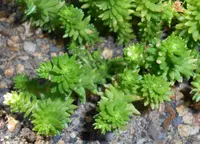
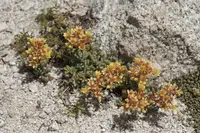
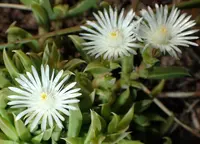
Sierra stonecrop (Sedum obtusatum) is a small, mat-forming succulent native to rocky slopes and granite outcrops in the Sierra Nevada of California. It typically forms low rosettes with thick, rounded leaves and clusters of star-shaped yellow flowers. The plant is adapted to strong light, draining soils, and seasonal dryness, which makes it relatively forgiving for growers who avoid overwatering. Its compact growth and drought tolerance make it suitable for rock gardens, troughs, and containers, including those in colder regions with good winter drainage. Understanding how to care for Sierra stonecrop starts with providing bright light, gritty soil, and protection from prolonged, heavy moisture.

Main Plant Requirements

Care Difficulty

Easy Care

Light Preference

Full Sun

Water Requirements

Low Water

Temperature Preference

Cold Hardy

Hardiness Zone

5–8

Soil Texture

Sandy, Loamy, Rocky

Soil pH

Slightly acidic (6.5–7.0), Neutral (7.0)

Soil Drainage

Well-drained

Fertilization

Minimal (feed rarely)

Get Personalized Care Plan

Scan your plant to receive care tips personalized for your specific plant

Available on iOS and Android

How to Care for the Sierra stonecrop

This high-elevation sedum thrives in bright, direct light with some seasonal flexibility.

  • Provide 6–8 hours of full sun daily; morning to early afternoon sun is ideal for compact growth and strong leaf color in Sierra stonecrop.
  • In very hot, lowland sites, give protection from harsh sun from about 2–5 p.m. to reduce leaf scorch and bleaching.
  • In partial shade (3–4 hours sun) plants survive but may stretch; favor south or west exposures in winter to compensate for weaker light.

This succulent stores water in its leaves and prefers infrequent, thorough watering.

  • Allow the top 3–5 cm of soil to dry completely before watering; in rocky ground this may mean several days or more between soakings.
  • Use sharply drained, gritty soil or slopes so water runs through within seconds; standing water or heavy clay greatly increases root rot risk for Sedum obtusatum.
  • In cool seasons and during dormancy, reduce watering sharply; shriveling leaves signal underwatering, while mushy, translucent leaves indicate overwatering.

This mountain sedum prefers cool to mild conditions but handles a wide temperature range when kept dry.

  • Aim for active growth in 55–75°F (13–24°C); plants remain compact and colorful in this range with good air movement.
  • Mature clumps tolerate brief drops to about 10–15°F (-12 to -9°C) if soil is well drained; prolonged wet cold or ice around the crown increases rot risk.
  • In summer, plants handle up to 90–95°F (32–35°C) if roots stay cool and soil does not stay wet; provide light afternoon shade during extreme heat waves.

This species is highly drought-tolerant and does not need elevated humidity.

Sedum obtusatum prefers very sharply drained, mineral-rich soil that dries quickly after rain or watering.

  • Use a gritty mix such as 50–60% coarse sand or small gravel blended with 40–50% cactus potting mix.
  • Aim for slightly acidic to neutral pH around 6.0–7.0, avoiding strongly acidic or alkaline substrates.
  • Improve aeration by adding extra perlite or pumice so water runs through in seconds, not minutes.
  • Avoid dense, peat-heavy mixes or unamended garden soil, which hold moisture and promote root rot.

This species is well-suited to container growing, especially in shallow, fast-draining pots.

  • Choose a wide, shallow container to match the spreading root system and keep the substrate drying evenly.
  • Use unglazed terracotta if outdoor conditions are wet, as it allows faster evaporation and reduces moisture buildup.
  • Lift or slightly tilt the pot after heavy rain so excess water escapes fully and the drainage holes do not stay submerged.

Sedum obtusatum is adapted to lean, rocky soils and needs little to no fertilization in home gardens.

Pruning Sedum obtusatum is mainly cosmetic and health-focused, helping maintain a compact, tidy mat.

  • Best time for light pruning is in late spring or after main flowering flush.
  • Snip off dead, damaged, or leggy stems with clean, sharp scissors or hand pruners.
  • Remove spent flower stalks at the base to refresh appearance and encourage denser growth.
  • Thin crowded sections slightly to improve air flow and reduce rot in damp climates.

Most gardeners grow Sedum obtusatum in rock gardens or groundcover patches, so transplanting matters more than repotting.

  • Look for clumps outgrowing their space, poor drainage, or bare centers as signs it is time to lift and reset.
  • Transplant in spring or early fall, when temperatures are mild and soil is workable.
  • Lift clumps gently, shake off excess soil, and handle the shallow roots carefully to limit stress.
  • Replant into gritty, fast-draining soil at the same depth, then water lightly once to settle roots.

Sedum obtusatum is commonly multiplied by stem cuttings, division, and sometimes seed in suitable conditions.

  • Take short, non-flowering stem cuttings in late spring or summer and let cut ends callus for 1–2 days.
  • Place cuttings on or just in gritty, well-drained mix and keep slightly moist until rooted.
  • Divide mature clumps in spring, replanting sections with healthy roots and several shoots.
  • For seed, sow on the surface of a well-drained mix, provide bright light, and keep just barely moist.

This species is generally cold hardy in much of its native range and needs minimal winter care outdoors.

  • In the ground, ensure soil drains freely, since wet, frozen soil increases root rot risk.
  • Apply a very light gravel or coarse sand mulch to protect crowns while avoiding excess moisture retention.
  • For containers, move pots to a sheltered, unheated but above-freezing spot in very cold climates.
  • Water sparingly in winter, keeping the root zone mostly dry while the plant is semi-dormant.

Care Tips

Encourage Compact Growth

Pinch back soft new tips in late spring to keep plants low, dense, and better able to resist wind or light foot traffic on rock gardens.

Use Rock Mulch

Top-dress around the crowns with a thin layer of gravel or small stones to keep foliage dry at the base, reduce rot risk, and stabilize shallow roots on slopes.

Seasonal Division Timing

Lift and divide crowded clumps in early spring just as new growth appears, then replant shallowly so the crown sits slightly above the soil line for faster re-establishment.

Rooting Fallen Offsets

Place naturally broken rosettes or stem pieces on a dry, gritty mix for several days so cut ends callus, then mist lightly until they root to quickly expand your planting.

Snow And Frost Management

In colder regions, allow natural snow cover to insulate plants but brush off heavy, wet snow or ice crusts to prevent mechanical damage to the brittle rosettes when growing Sierra stonecrop.

Common Pests and Diseases

Mealybugs

This pest feeds on succulent leaves and stems, often hiding in tight rosettes and leaf joints where its white, cotton-like masses may go unnoticed at first. Symptoms include stunted growth, sticky honeydew, and sooty mold on nearby surfaces.

Solution

Isolate the plant, then dab visible insects with cotton swabs dipped in 70% isopropyl alcohol and repeat weekly until gone. For larger infestations on outdoor clumps, use a strong water spray to dislodge them, then apply an insecticidal soap or neem oil to all leaf surfaces, including rosette centers, while improving air circulation and avoiding excess nitrogen fertilizer.

Aphids

These insects cluster on tender new growth and flower stalks, sucking sap and causing curling, distortion, and yellowing of leaves. Honeydew buildup can attract ants and encourage black sooty mold on the foliage and nearby rocks.

Solution

Rinse colonies off with a firm stream of water, focusing on shoot tips and the undersides of leaves. If needed, apply insecticidal soap in the early morning or late afternoon, repeating every 5–7 days until populations drop, and control ants around the plant so they do not reintroduce aphids.

Spider mites

This pest thrives in hot, dry conditions and feeds on the leaf surface, creating fine stippling and a dull, speckled appearance. Symptoms include very fine webbing in tight rosettes and along stems, and leaves may gradually dry and drop.

Solution

Increase humidity around the plant slightly without keeping the soil wet, then hose the foliage thoroughly to remove mites and webs. Follow with applications of insecticidal soap or a light horticultural oil on all leaf surfaces, repeating several times at 5–7 day intervals while reducing heat stress and dust on the plant.

Fungal leaf spots

This disease appears as small brown or dark lesions on leaves, sometimes with a yellow halo, and is promoted by prolonged moisture on foliage. Symptoms include premature leaf drop and patchy thinning of rosettes, especially in dense, poorly ventilated plantings.

Solution

Remove and discard affected leaves and any plant debris around the crown, then avoid overhead watering and water early in the day so foliage dries quickly. Improve airflow by thinning crowded stems, and if spots continue to spread, use a low-toxicity fungicide labeled for ornamental succulents according to label directions.

Crown and stem rot

This disease develops when plants stay in waterlogged or compacted soil, leading to soft, dark, collapsing tissue at the base of stems and rosettes. Symptoms include sudden wilting, foul odor at the crown, and rosettes that detach easily from the soil surface.

Solution

At the first signs, reduce watering immediately and improve drainage by amending the soil with mineral grit or moving the plant to a faster-draining site or potting mix. Carefully remove and discard all mushy tissue, then re-root only the firm, healthy rosette tips in dry, well-drained mix, watering lightly only after new roots begin to form; ongoing Sedum obtusatum care should focus on avoiding chronic wet conditions.

Interesting Facts

Granite outcrop specialist

This species is native to the Sierra Nevada of California, where it commonly grows in shallow soil pockets on granite outcrops and rocky slopes, tolerating intense sun and rapid drainage that would stress many other succulents.

Compact alpine rosettes

The plant forms low, tight rosettes that can flush with red or purple tones in strong light and cold, an adaptation that helps protect its tissues from high UV exposure at higher elevations.

Spring-blooming clusters

In late spring to early summer, it sends up short flowering stems bearing clusters of star-shaped yellow flowers that provide an early nectar source for native pollinators emerging in montane habitats.

Botan icon

Did you know?

Sedum obtusatum shows considerable geographic variation across the Sierra Nevada, and some botanists recognize several subspecies or regional forms based on subtle differences in leaf shape, size, and hairiness that reflect local adaptation to different mountain microclimates.

FAQs about Sierra stonecrop

This species forms small, slowly expanding clumps or patches. It spreads by short stems and offsets but is not aggressive. In most gardens it stays contained and is easy to manage by occasional division or edging.

Grow Healthy Plants with Botan Care

Keep your plants happy and healthy with plant identification, disease detection, and easy care guidance.

Botan plant care app — identify plants on mobile

Explore More Plants