Sedum nudum Care

Sedum nudum

About Sedum nudum

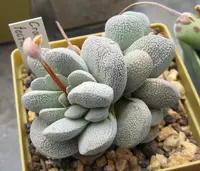
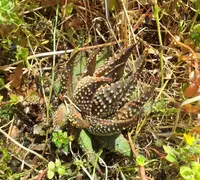
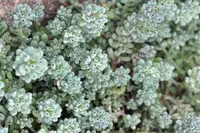
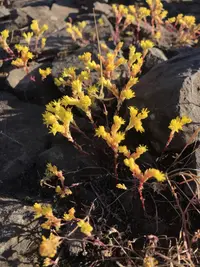
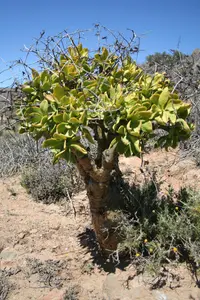
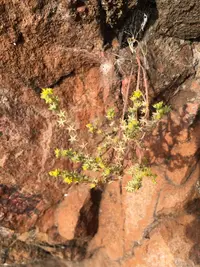
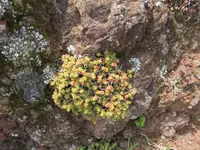
Sedum nudum is a small, low-growing succulent in the stonecrop group, known for its fleshy leaves and tidy, mat-forming habit. It often shows bluish to green foliage that may blush with color in strong light. This species is native to parts of western North America, where it naturally occurs on rocky slopes and well-drained, often shallow soils. It is adapted to dry conditions and poor substrates, which makes it forgiving in containers and rock gardens. Its slow, compact growth and drought tolerance mean it is generally easy to manage, provided excess moisture is avoided. Understanding how to care for Sedum nudum mainly involves giving it strong light, sharp drainage, and only occasional watering.

Main Plant Requirements

Care Difficulty

Easy Care

Light Preference

Full Sun

Water Requirements

Low Water

Temperature Preference

Cold Hardy

Hardiness Zone

5–9

Soil Texture

Sandy, Loamy, Rocky

Soil pH

Slightly acidic (6.5–7.0), Neutral (7.0)

Soil Drainage

Well-drained

Fertilization

Minimal (feed rarely)

Get Personalized Care Plan

Scan your plant to receive care tips personalized for your specific plant

Available on iOS and Android

How to Care for the Sedum nudum

This drought-tolerant succulent thrives in bright, open conditions with plenty of direct sun.

  • Provide 6–8 hours of direct sunlight daily; full sun exposure suits Sedum nudum in most temperate climates.
  • Allow light afternoon shade in very hot, dry regions to reduce leaf scorch and excessive substrate drying.
  • Ensure at least 4 hours of direct sun in winter; plants grown in too much shade become elongated, weak, and may lose compact form.

This species prefers infrequent, deep watering with thorough drying in between.

  • Water only when the top 3–5 cm of soil are completely dry; in most outdoor beds this means after several rain-free days.
  • Reduce watering strongly in cool seasons, only hydrating during prolonged dry spells to avoid root rot in Sedum nudum.
  • Watch for signs: soft, translucent leaves indicate overwatering, while wrinkled, flattened leaves signal it is time for a careful soak.

This hardy succulent tolerates a fairly wide temperature range when kept on the dry side.

  • Active growth is best around 60–80°F (16–27°C), with good airflow and low to moderate humidity.
  • Established plants often survive down to about 10–20°F (-12 to -6°C) if soil drains well and stays relatively dry.
  • In heat above 90°F (32°C), provide light afternoon shade and avoid watering during the hottest part of the day to limit stress.

This species tolerates a wide humidity range and rarely needs special humidity management indoors or outdoors.

This succulent needs very fast-draining, low-organic soil to prevent root rot and maintain compact growth.

  • Use a gritty mix such as 50–70% mineral material (coarse sand, pumice, or small gravel) blended with 30–50% cactus/succulent potting mix.
  • Aim for a slightly acidic to neutral pH of about 6.0–7.0, avoiding strongly alkaline substrates that may limit nutrient uptake.
  • Improve aeration by avoiding fine peat and dense compost; choose chunky, open-textured components that keep air around the roots.
  • Avoid heavy clay, water-retentive mixes, or containers without strong drainage, as these quickly cause root rot in Sedum nudum.

This species is well suited to container growing, including shallow dishes and rock-style planters.

  • Choose a wide, shallow pot that allows creeping stems to spread while keeping the root zone near the fast-drying surface layer.
  • Use a container material like unglazed terracotta if rapid evaporation is desired in wet climates, or glazed ceramic in very arid areas.
  • Elevate the pot slightly on feet or spacers so drainage holes stay clear and excess water exits quickly after rain or watering.

This drought-tolerant succulent needs only light feeding under typical garden conditions.

  • Use a diluted balanced liquid fertilizer (around 10-10-10) at 1/4–1/2 strength for Sedum nudum grown in containers or very poor soils.
  • Feed once in late spring and again in midsummer during active growth, never more often.
  • Avoid fertilizing in fall and winter, as excess nutrients can cause weak, frost-tender growth.
  • Skip rich compost or heavy slow-release products that hold moisture and may increase rot risk.

Pruning is simple and mainly used to keep Sedum nudum compact and tidy.

  • Best time is late winter to early spring, before strong new growth starts.
  • Snip off dead, damaged, or leggy stems with clean, sharp scissors or small pruners.
  • Shortening lanky shoots encourages branching and a denser, more ground-hugging habit.
  • After flowering, remove spent flower stems to maintain appearance and reduce self-seeding if unwanted.

Container-grown plants and dense mats benefit from occasional transplanting rather than frequent repotting.

  • Repot or divide Sedum nudum every 3–4 years or when roots circle the pot and growth slows.
  • Aim for early spring, choosing a shallow, wide container with very free-draining cactus or succulent mix.
  • Gently loosen roots, remove soggy or dead portions, and keep root disturbance minimal.
  • Water lightly after moving, then allow soil to dry almost completely to limit transplant shock and rot.

Sedum nudum is commonly propagated to expand groundcover patches or refresh older clumps.

  • Use stem or leaf cuttings in late spring to summer; allow cut ends to callus for 1–2 days.
  • Place cuttings on gritty, barely moist succulent mix in bright, indirect light.
  • Keep temperatures around 65–75°F and avoid overwatering until roots form.
  • Division of mature clumps in early spring is also effective; replant small sections immediately.

This hardy sedum usually needs minimal winter attention in most temperate climates.

  • Established in-ground plants tolerate frost and light freezes once well rooted.
  • Apply a thin gravel or coarse sand mulch to improve drainage around the crown in wet winters.
  • In very cold or wet regions, grow in containers and move to a cold, bright, sheltered spot for winter.
  • Reduce watering sharply in winter so the soil stays mostly dry, lowering rot risk at low temperatures.

Care Tips

Encourage Compact Growth

Pinch back soft stem tips in early spring to keep plants low, dense, and less likely to flop or split after heavy rain.

Improve Rain Drainage

In regions with wet winters, plant on a slight mound or in a raised, gravelly bed to prevent crown rot from standing water around the base.

Use Gravel Mulch

Top-dress the root zone with a 1–2 cm layer of coarse grit or small gravel to keep foliage dry, reduce weed pressure, and protect stems from soil splash.

Quick Propagation Cleanup

When stems get leggy or damaged, cut healthy sections into 3–5 cm pieces, let them callus for 1–2 days, then lay them on dry, gritty mix to root and refresh the planting.

Winter Wet Protection

In areas with prolonged winter rain, place a simple clear rain shield or use overhanging eaves to keep excess water off the planting while still allowing good light, which greatly helps when caring for Sedum nudum.

Common Pests and Diseases

Mealybugs

This pest appears as small white cottony clusters in stem joints and on young growth, often causing stunted, distorted shoots and sticky honeydew on nearby surfaces.

Solution

Isolate the plant, then dab visible insects with cotton swabs dipped in 70% isopropyl alcohol and repeat weekly until gone; for larger infestations on outdoor clumps, use a firm spray of water to dislodge insects and follow with a neem oil or insecticidal soap spray applied in the evening to avoid leaf burn.

Aphids

These insects cluster on tender stems and flower stalks, sucking sap and causing curling, yellowing, and sticky honeydew that can attract ants or encourage sooty mold growth.

Solution

Spray the plant with a strong stream of water to knock aphids off, then treat remaining colonies with insecticidal soap or neem oil, making sure to coat undersides of stems and repeating every 5–7 days until populations stay low.

Scale insects

This pest shows as small, hard, brown or gray bumps on stems that do not rub off easily and can cause gradual yellowing and weakened, slow-growing shoots.

Solution

Gently scrape off or remove infested stems where practical, then treat remaining growth with a soft brush or cloth dipped in 70% isopropyl alcohol and follow up with a horticultural oil spray, applied during cooler parts of the day and repeated after 7–10 days if needed.

Botrytis blight

This disease produces soft, water-soaked patches on leaves and stems that may develop gray, fuzzy mold, especially in cool, damp, crowded conditions.

Solution

Cut away and discard all affected tissue, improve air circulation around the plant, avoid overhead watering, and if conditions stay wet apply a labeled fungicide for ornamental succulents as a preventive measure on the remaining healthy tissue.

Edema

Symptoms include corky, blister-like spots on leaves and stems caused by cells bursting when roots absorb water faster than it can be used or transpired in cool, humid conditions.

Solution

Reduce watering frequency, allow the soil to dry more between waterings, increase light and airflow, and avoid sudden shifts from very dry to very wet soil to support more stable Sedum nudum care instructions over time.

Interesting Facts

Pacific coastal specialist

Sedum nudum is naturally restricted to the Pacific coast of North America, especially rocky and sandy sites in California and Oregon, where it occupies dry, open habitats that many other herbaceous plants cannot tolerate.

Smooth, leafless stems

Mature flowering shoots of this species often appear almost leafless and smooth (hence the name nudum, meaning naked), with foliage largely confined to the lower parts and a clean, bare look toward the flower clusters.

Late-season nectar source

In its native range, Sedum nudum blooms in late spring to summer, providing a reliable nectar and pollen source for native bees and other pollinators when some early-season floral resources have already declined.

FAQs about Sedum nudum

Lack of blooms usually comes from insufficient light, overly rich or wet soil, or heavy nitrogen fertilization. Ensure full sun, lean well-drained substrate, and avoid frequent feeding. Old, woody stems may flower less and benefit from periodic renewal pruning.

Grow Healthy Plants with Botan Care

Keep your plants happy and healthy with plant identification, disease detection, and easy care guidance.

Botan plant care app — identify plants on mobile

Explore More Plants