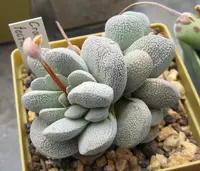
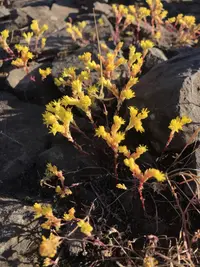
yellow stonecrop Care (Sedum nuttallii)

yellow stonecrop

About yellow stonecrop

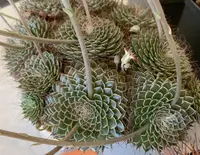
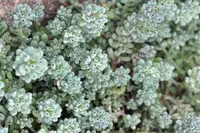
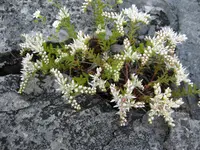
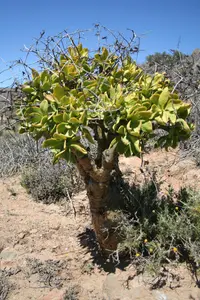
Yellow stonecrop (Sedum nuttallii) is a low, mat-forming succulent known for its tiny, fleshy leaves and bright yellow star-shaped flowers. It often forms dense cushions that spread slowly over time.

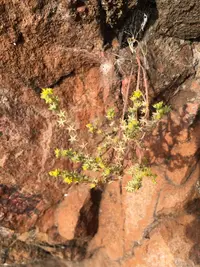
This species is native to rocky and sandy habitats in parts of North America, where it thrives in exposed, dry conditions with excellent drainage. Its succulent foliage stores water, which makes it quite tolerant of drought and irregular watering.

Because of this built-in resilience, it is generally easy to care for yellow stonecrop in gardens, rockeries, or shallow containers. It prefers plenty of light, minimal moisture, and lean, well-drained soil for best growth.

Main Plant Requirements

Care Difficulty

Easy Care

Light Preference

Full Sun

Water Requirements

Low Water

Temperature Preference

Cold Hardy

Hardiness Zone

4–9

Soil Texture

Sandy, Loamy, Rocky

Soil pH

Slightly acidic (6.5–7.0), Neutral (7.0)

Soil Drainage

Well-drained

Fertilization

Minimal (feed rarely)

Get Personalized Care Plan

Scan your plant to receive care tips personalized for your specific plant

Available on iOS and Android

How to Care for the yellow stonecrop

Sedum nuttallii thrives in bright, open sites and handles strong sun when soil drains freely.

  • Provide 6–8 hours of direct sun daily; morning to early afternoon sun is ideal for compact growth and flowering in yellow stonecrop.
  • Plant in full sun but allow light afternoon shade in very hot, dry climates to limit leaf scorch and bleaching.
  • In partial shade (3–4 hours direct sun), expect looser growth and fewer blooms; avoid dense shade, which causes weak, stretched stems.

This drought-tolerant succulent prefers infrequent, deep watering rather than frequent light irrigation.

  • Allow the top 3–5 cm of soil to dry completely before watering; in sandy ground this often means long gaps between soakings.
  • Water more during active spring growth and prolonged dry spells, then reduce in summer heat dormancy and winter to prevent root rot.
  • Watch foliage and stems: mushy, yellowing or translucent tissue indicates overwatering, while shriveling and limp, wrinkled leaves suggest the plant is too dry.

This cold-hardy species tolerates a wide temperature range but grows best in moderate conditions.

  • Active growth is strongest around 60–75°F (16–24°C), especially in spring and early summer when moisture is available.
  • Mature plants typically survive down to about -20°F (-29°C) with good drainage, though repeated freeze–thaw in wet soil increases rot risk.
  • In hot summers above 90°F (32°C), growth can slow or pause; provide some afternoon shade and avoid overhead watering during peak heat.

This species handles 30–50% household humidity easily and rarely needs adjustment.

  • Tolerates very dry air, so dehumidified or heated rooms usually do not harm yellow stonecrop.
  • True humidity stress shows as soft, rotting leaves from excess moisture rather than dryness.
  • Ensure strong air movement around foliage and keep leaves dry to prevent fungal issues in overly damp spaces.

Sedum nuttallii prefers lean, fast-draining, sandy soil that mimics rocky native habitats.

  • Use a cactus/succulent mix blended with extra coarse sand or fine gravel to increase drainage and mineral content.
  • Aim for a slightly acidic to neutral pH around 6.0–7.0, avoiding strongly acidic or alkaline mixes that can limit nutrient uptake.
  • Improve aeration by adding 20–40% pumice or perlite so water drains quickly and roots receive plenty of oxygen.
  • Avoid dense, high-peat, or clay-heavy substrates that stay wet for long periods, which promotes root rot.

This species is well suited to container growing outdoors on sunny patios, balconies, or rock gardens.

  • Choose a shallow, wide pot that allows stems to spread while keeping the root zone close to the warm upper layer of the mix.
  • Select unglazed terracotta if the climate is wet, since it helps evaporate excess moisture from the growing medium.
  • Elevate the container slightly on pot feet or bricks so drainage holes clear water quickly after rain or watering.

Sedum nuttallii is adapted to lean, rocky soils and needs only light feeding in cultivation.

  • Use a diluted balanced liquid fertilizer (around 10-10-10 NPK at 1/4 strength) for caring for yellow stonecrop in containers during active spring–summer growth.
  • Feed no more than once every 4–6 weeks; skip applications if growth looks firm and compact.
  • Avoid rich compost or heavy slow-release pellets that hold moisture around the roots.
  • Stop feeding in fall and winter to prevent weak, etiolated growth.

Sedum nuttallii benefits from light, targeted pruning to keep mats dense and tidy.

  • Best time is late winter to early spring, before vigorous new growth begins.
  • Snip off dead, damaged, or leggy stems with clean scissors or small pruning shears.
  • Light trimming after flowering can improve shape and encourage a tighter, more compact mat.
  • Remove crowded or shading stems to maintain airflow and reduce rot in damp periods.

This low-growing sedum is usually transplanted rather than frequently repotted.

  • Transplant in spring when weather is mild and roots are beginning active growth.
  • Move or divide clumps when growth slows, plants lift from the soil, or roots circle a shallow container.
  • Space divisions in gritty, well-drained soil, keeping roots barely covered to limit transplant shock.
  • Water lightly after planting, then allow soil to dry between light irrigations while roots reestablish.

Sedum nuttallii is commonly propagated to extend groundcover patches or refresh older clumps.

  • Take short stem or leaf cuttings in late spring–summer and place on gritty, barely moist mix.
  • Allow cut ends to dry for 1–2 days before setting on the substrate to reduce rot risk.
  • Divide established mats in spring, replanting vigorous sections at the same soil depth.
  • Sow seeds on the surface of a well-drained mix, providing bright light and only light moisture.

This species is generally cold hardy and needs minimal winter care in most temperate gardens.

  • In-ground plants usually tolerate frost once established, especially in sharply drained soil.
  • Apply a very thin gravel or mineral mulch to keep crowns dry rather than warm.
  • For containers in regions with severe freezes, move pots to a cold, bright, sheltered spot.
  • Reduce watering strongly in winter so roots stay dry and less prone to rot.

Care Tips

Encourage Compact Growth

Pinch back the soft tips of longer shoots in early spring to keep plants dense and low, using clean fingers or scissors and leaving at least 2–3 nodes on each stem so it can reshoot strongly.

Improve Winter Drainage

In climates with wet winters, slightly mound or berm the planting area 5–10 cm above surrounding soil so excess water runs off and the roots do not sit in cold, saturated ground.

Use Gravel Mulch

Apply a 1–2 cm topdressing of coarse grit or small gravel around the crowns to keep foliage dry at the base, reduce soil splash on leaves, and discourage rot and moss.

Renew Overgrown Patches

Every 2–3 years in early spring, lift crowded mats, discard any woody or dead centers, and replant only the freshest outer rosettes or stems to maintain vigor and an even appearance.

Propagation For Insurance

Take several short stem cuttings or divisions from healthy plants in late spring, root them in a separate tray or pot, and keep as backup stock in case a main planting is damaged, which is especially useful when growing yellow stonecrop in small rock gardens or troughs.

Common Pests and Diseases

Mealybugs

This pest feeds on succulent shoots and leaf joints, sucking sap and leaving white cottony clusters on stems and between leaves.

Solution

Isolate the plant, then dab visible insects with cotton swabs dipped in 70% isopropyl alcohol and rinse gently after treatment; repeat weekly until no new colonies appear and reduce excess nitrogen fertilization that encourages soft, mealybug-susceptible growth.

Aphids

These insects cluster on tender new growth and flower stalks, causing distortion, sticky honeydew, and sometimes sooty mold on the foliage.

Solution

Spray the plant with a firm stream of water to dislodge colonies, then apply insecticidal soap or a dilute neem oil spray, ensuring thorough coverage of stems and undersides of leaves, and repeat every 5–7 days until populations stay low.

Spider mites

This pest becomes more common in hot, very dry conditions, causing fine stippling on leaves, dull color, and occasionally fine webbing between stems.

Solution

Increase ambient humidity slightly around the planting, hose foliage with water to knock mites off, and apply insecticidal soap or horticultural oil, taking care to treat both sides of leaves and repeating several times to catch new hatchlings.

Fungal leaf spots

This disease appears as small brown or black spots on leaves that may merge in humid or crowded conditions, sometimes leading to premature leaf drop on lower stems.

Solution

Remove and discard affected leaves, improve air circulation and avoid overhead watering, then use a sulfur or copper-based fungicide labeled for succulents if spotting continues to spread despite cultural adjustments.

Crown and stem rot

This disease develops in poorly drained or compacted soil, causing stems at the base to turn brown, mushy, and collapse, often starting in dense center clumps.

Solution

Lift and discard rotted tissue, replant only firm, healthy cuttings into sharply drained sandy or gritty soil, and prevent recurrence by using raised beds or rock garden conditions and avoiding frequent irrigation, which is central to Sedum nuttallii care.

Interesting Facts

Great Plains specialist

This species is native to the central and southern Great Plains of North America, where it naturally occupies thin, rocky soils on limestone and sandstone outcrops, making it highly adapted to exposed, drought-prone sites.

Winter rosette strategy

It forms tight, ground-hugging rosettes during cool seasons, which helps protect the buds from temperature fluctuations and desiccating winds on open prairie and glade habitats.

Early-season nectar source

Its small yellow star-shaped flowers appear very early in the growing season and provide one of the first nectar and pollen resources for small solitary bees and other early-emerging pollinators in its native range.

FAQs about yellow stonecrop

This species forms a low, creeping mat but is not usually aggressive. It spreads slowly by short stems and self-seeding. In most gardens it stays contained, especially in poor, well-drained soils and small rock crevices.

Grow Healthy Plants with Botan Care

Keep your plants happy and healthy with plant identification, disease detection, and easy care guidance.

Botan plant care app — identify plants on mobile

Explore More Plants