Graptopetalum filiferum Care

Graptopetalum filiferum

About Graptopetalum filiferum

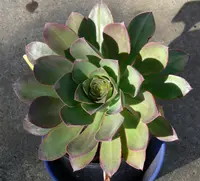
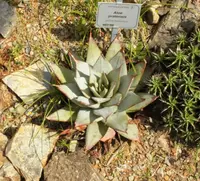
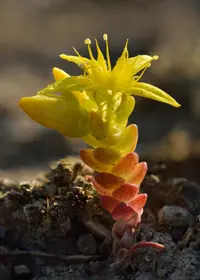
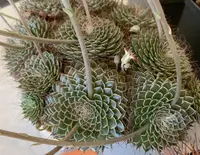
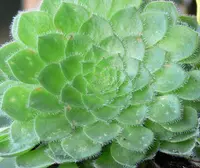
Graptopetalum filiferum is a small rosette-forming succulent from arid regions of Mexico. It stays compact, forming tight, geometric rosettes with pointed, pale green to gray leaves that may blush pink in strong light.

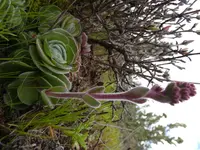
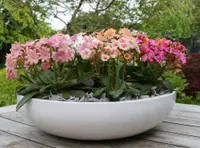
The plant grows low to the ground and slowly forms clusters, making it suitable for containers, rock gardens, and windowsills. In spring, it can send up slender flower stalks with star-shaped blooms.

This species prefers bright light, low humidity, and very well-draining, gritty soil. Its drought tolerance and modest growth rate make it relatively simple to care for Graptopetalum filiferum for most indoor succulent growers.

Main Plant Requirements

Care Difficulty

Easy Care

Light Preference

Full Sun

Water Requirements

Low Water

Temperature Preference

Warm Climate

Hardiness Zone

9–11

Soil Texture

Sandy, Loamy, Rocky

Soil pH

Slightly acidic (6.5–7.0), Neutral (7.0)

Soil Drainage

Well-drained

Fertilization

Minimal (feed rarely)

Get Personalized Care Plan

Scan your plant to receive care tips personalized for your specific plant

Available on iOS and Android

How to Care for the Graptopetalum filiferum

This drought-tolerant succulent needs bright light to maintain compact rosettes and strong coloration.

  • Provide 4–6 hours of direct morning sun plus bright light the rest of the day; in very hot regions, give light afternoon shade to prevent leaf scorch.
  • Outdoors, plant in an open, unshaded spot with southern or eastern exposure; indoors, place Graptopetalum filiferum at a south- or west-facing window.
  • Insufficient light leads to stretched, pale growth; gradually increase sun exposure over 7–10 days after cloudy periods or indoor overwintering to avoid sunburn.

Watering should respect the plant’s high drought tolerance and sensitivity to prolonged moisture around the roots.

  • Allow the top 3–5 cm of soil to dry completely before watering; in fast-draining soil this often means watering only after leaves begin to feel less firm.
  • Use gritty, sharply draining soil and ensure excess water runs out freely to reduce the risk of root rot and fungal issues in Graptopetalum filiferum.
  • During active spring–summer growth, water more frequently than in fall–winter, when watering may drop to once every few weeks depending on temperature and evaporation.

This species prefers warm, dry conditions and handles moderate heat better than prolonged cold.

  • Aim for an active growth range of 65–80°F (18–27°C), with cooler, drier nights promoting sturdy, compact rosettes.
  • Protect the plant from frost; it is best kept above 30–32°F (-1–0°C), as repeated freezing can damage leaves and roots even if the plant survives light dips.
  • In hot climates, it tolerates 90–100°F (32–38°C) if soil is very free-draining and the plant gets some airflow and light afternoon shade to limit heat stress.

This species prefers dry indoor air and humidity is rarely a concern.

This succulent needs a very fast-draining, mineral-based mix to prevent root rot.

  • Use a gritty, sandy mix with large pores, such as 50–70% mineral component (pumice, perlite, coarse sand) blended with 30–50% cactus potting mix.
  • Aim for slightly acidic to neutral pH around 6.0–7.0, avoiding strongly acidic or alkaline substrates that can limit nutrient uptake.
  • Increase aeration by using coarse particles (3–6 mm) and avoiding fine peat that compacts and holds excess water around the roots.
  • Avoid dense, water-retentive garden soil or mixes rich in unamended compost, which stay wet too long for Graptopetalum filiferum.

This species is very suitable for container growing.

  • Choose a wide, shallow pot to match the shallow root system and support offset-forming rosettes at the surface.
  • Select unglazed terracotta if extra evaporation is needed in cooler or dimmer locations to reduce moisture accumulation around roots.
  • Elevate the container slightly on feet or pot risers so drainage holes clear surfaces and water cannot pool underneath the base.

This succulent needs only light feeding to support compact rosettes and healthy root growth.

  • Use a diluted balanced liquid fertilizer (around 10-10-10 or 20-20-20) at 1/4–1/2 strength for Graptopetalum filiferum.
  • Feed once every 4–6 weeks during the active growing season in spring and summer.
  • Choose cactus or succulent fertilizer, or very thin compost tea, to avoid excess nitrogen and soft, weak growth.
  • Stop feeding in fall and winter when growth slows, to prevent root burn and stretched, pale leaves.

This plant needs minimal pruning, mainly to keep rosettes tidy and disease-free.

  • In late spring or summer, remove dead, shriveled, or damaged leaves by gently twisting them off at the base.
  • Cut away leggy, etiolated stems with clean, sharp scissors to encourage compact new rosettes.
  • Thin crowded offsets to improve airflow and reduce rot, reusing healthy pieces for cuttings.
  • Disinfect tools before and after pruning to limit fungal and bacterial spread.

Container-grown plants benefit from infrequent repotting into fresh, fast-draining substrate.

  • Repot every 2–3 years, or when roots circle the pot, soil dries extremely fast, or growth becomes noticeably slow.
  • Plan repotting in spring, when Graptopetalum filiferum resumes active growth and recovers most reliably.
  • Choose a shallow pot with drainage and a gritty cactus mix; increase pot size only 2–3 cm wider.
  • Gently loosen roots, remove old compacted soil, then keep slightly dry for 3–5 days after repotting to reduce stress and rot risk.

This succulent is commonly propagated from offsets and leaf or stem cuttings.

  • In spring or early summer, detach offsets with a sterile knife, keeping some roots attached when possible.
  • Take healthy leaves or short stem sections, then allow cut surfaces to callus for 1–3 days.
  • Place on or in barely moist, gritty cactus mix under bright, indirect light with good airflow for rooting.
  • Use seeds less often; sow on the surface of well-draining mix, keep lightly moist and warm at 70–75°F.

This species prefers cool, dry winter conditions and is not suited to prolonged hard freezes.

  • Graptopetalum filiferum tolerates brief light frost but is safer above 25–30°F, especially in wet climates.
  • Move containers indoors to a bright, cool windowsill before extended freezes arrive.
  • Water very sparingly in winter, letting soil dry fully to avoid root rot in cold conditions.
  • Outdoors in mild regions, use a gritty, raised bed and a light gravel mulch to keep the crown dry.

Care Tips

Control rosette crowding

Periodically thin out the smallest, heavily shaded rosettes from the center of dense clumps to improve airflow and reduce the risk of rot and fungal spotting on inner leaves.

Use top-dressing grit

Apply a 0.5–1 cm layer of horticultural grit or coarse sand around the base to keep leaves off damp soil, reduce splash-up during watering, and create a cleaner, drier crown zone.

Time offsets removal

Detach and replant offsets only when they have at least 6–8 mature leaves and visible roots, which improves establishment rates and keeps the mother rosette from exhausting its reserves.

Rotate outdoor containers

If grown in pots outdoors, rotate containers a quarter turn every 2–3 weeks during the active season so all sides of the rosettes color evenly and avoid permanent leaning toward one direction.

Plan for winter protection

In regions with cold, wet winters, move containers under a bright porch overhang or use a simple rain shield so the substrate stays mostly dry during dormancy, which is critical for successfully growing Graptopetalum filiferum in marginal climates.

Common Pests and Diseases

Mealybugs

This pest feeds on sap in leaf axils and between tight rosette leaves, often appearing as white cottony clusters. Symptoms include distorted new growth, sticky honeydew, and sometimes sooty mold on nearby surfaces.

Solution

Isolate the plant, then use a cotton swab dipped in 70% isopropyl alcohol to dab visible insects deep in the rosette and along stems. Follow up with a thorough spray of insecticidal soap or a neem oil solution every 7–10 days until no new mealybugs appear, and reduce excess humidity or crowding to discourage reinfestation.

Aphids

These insects gather on tender new rosettes and flower stalks, sucking sap and causing puckered, misshapen leaves. Symptoms include sticky honeydew, curling foliage, and weakened growth, especially during active growing periods.

Solution

Rinse the plant gently but thoroughly with a strong stream of water to dislodge aphids from rosettes and flower stems, then apply insecticidal soap to all surfaces, including leaf undersides. Repeat treatments weekly as needed and avoid overfertilizing, which encourages the soft new growth that aphids prefer.

Fungal leaf spots

This disease develops when water sits in the tight rosette and humidity stays high, leading to small brown or black spots on leaves that may become sunken or corky. Symptoms include spotting that starts near the rosette center or on older leaves close to overly wet soil.

Solution

Remove affected leaves and improve airflow around the plant, keeping water off the foliage and avoiding overhead watering, a key point in Graptopetalum filiferum care. Allow the soil surface and rosette to dry quickly after watering, and in severe cases apply a labeled copper or sulfur-based fungicide according to directions.

Bacterial soft rot

This disease causes sudden, mushy, foul-smelling collapse of leaves or the rosette center, often starting where water or damage has allowed bacteria to enter. Symptoms include translucent, water-soaked areas that rapidly turn slimy and brown.

Solution

Discard severely affected plants, as soft rot spreads quickly and is difficult to control once advanced. For minor early lesions, remove all affected tissue with sterilized tools, allow the plant to dry in a warm, airy place, and prevent future issues by avoiding water trapped in the rosette and using sharp, clean tools when taking cuttings.

Spider mites

These insects prefer hot, dry conditions and can colonize the undersides of leaves, causing fine stippling, dull coloration, and in severe cases fine webbing between leaves. Symptoms include slow decline, loss of the normal leaf sheen, and tiny moving dots when inspected closely.

Solution

Rinse the plant thoroughly with lukewarm water, focusing on the undersides of leaves and the center of the rosette, then apply insecticidal soap or a horticultural oil labeled for mites. Repeat every 5–7 days for several cycles, and reduce heat stress while maintaining moderate air movement to make conditions less favorable for mites.

Interesting Facts

Cobweb-like leaf tips

The rosette leaves end in fine, filament-like tips that can tangle slightly, giving the plant a subtle cobweb appearance, which is the origin of its common name, thread-leaved graptopetalum.

Native Mexican rock dweller

This species is naturally found on rocky slopes and cliffs in central Mexico, where it anchors in shallow crevices and survives with minimal organic soil and intense sun.

Cold-tolerant succulent

Unlike many tropical succulents, this plant can tolerate brief light frosts in its native range, an adaptation to the cooler, higher-elevation habitats where it evolved.

Botan icon

Did you know?

In its natural habitat, dense colonies of this species can form almost continuous, low cushions over rock surfaces, with individual rosettes staying quite small, often only a few centimeters across, creating a compact, mat-forming succulent community that stabilizes shallow substrates.

FAQs about Graptopetalum filiferum

Leggy growth usually comes from insufficient light. The rosettes stretch toward the brightest source, producing longer, weaker stems. Rotate the pot regularly and move it to a brighter position to maintain compact, symmetrical rosettes.

Grow Healthy Plants with Botan Care

Keep your plants happy and healthy with plant identification, disease detection, and easy care guidance.

Botan plant care app — identify plants on mobile

Explore More Plants