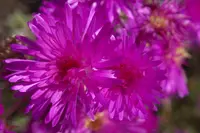
Congdon's mock stonecrop Care (Sedum pumilum)

Congdon's mock stonecrop

About Congdon's mock stonecrop

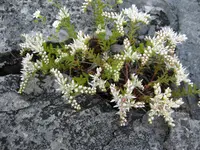
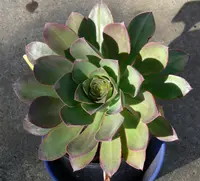
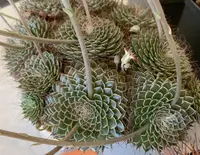
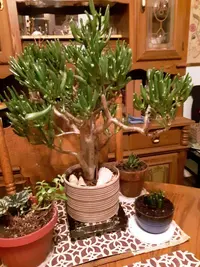
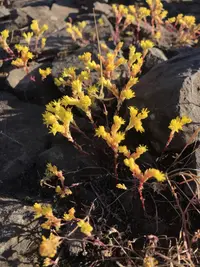
Congdon's mock stonecrop (Sedum pumilum) is a small, mat-forming succulent native to rocky slopes and outcrops in parts of California. It forms low cushions of fleshy leaves and tiny star-shaped flowers that attract pollinators.

This species is adapted to harsh, dry sites, so it naturally tolerates drought and poor, shallow soils. Its compact growth and slow spread make it suitable for rock gardens, crevice plantings, and small containers.

Because of its tough nature, it is considered an easy plant for those who want to care for Congdon's mock stonecrop, as long as it receives good light, fast-draining soil, and is not overwatered.

Main Plant Requirements

Care Difficulty

Easy Care

Light Preference

Full Sun

Water Requirements

Low Water

Temperature Preference

Cold Hardy

Hardiness Zone

5–9

Soil Texture

Sandy, Loamy, Rocky

Soil pH

Slightly acidic (6.5–7.0), Neutral (7.0)

Soil Drainage

Well-drained

Fertilization

Minimal (feed rarely)

Get Personalized Care Plan

Scan your plant to receive care tips personalized for your specific plant

Available on iOS and Android

How to Care for the Congdon's mock stonecrop

This low-growing succulent needs plenty of direct sun to stay compact and colorful.

  • Provide 6–8 hours of direct sun daily; full morning sun with light afternoon shade suits most climates for Congdon's mock stonecrop.
  • In hot summer regions, protect from harsh sun from 1–4 p.m. to reduce leaf scorch and bleaching, especially in shallow or rocky soils.
  • If stems stretch or foliage turns pale, increase sun exposure or move to a more open site, particularly in late winter and early spring.

This drought-tolerant species prefers infrequent, thorough watering and fast-draining soil.

  • Outdoors in the ground, water only when the top 3–5 cm of soil are completely dry; in rainy climates, extra irrigation is often unnecessary once established.
  • Use gritty, fast-draining soil so water runs through quickly and roots are not submerged for more than a few hours.
  • Sedum pumilum shows overwatering as mushy, translucent leaves and sudden collapse, while underwatering appears as wrinkled, slightly shriveled foliage that still feels firm.

This hardy succulent tolerates a wide temperature range but grows best in moderate conditions.

  • Active growth is strongest around 60–75°F (16–24°C); plants remain compact and recover quickly from minor stress in this range.
  • Mature clumps usually handle short drops to about 0°F (−18°C) with good drainage, but repeated freeze–thaw in wet soil can damage roots and crowns.
  • In hot regions, plants tolerate 90–100°F (32–38°C) if soil drains very fast and they receive some afternoon shade to limit heat stress.

This species handles low humidity well and rarely needs special humidity care.

Sedum pumilum prefers very fast-draining, mineral-rich soil that mimics rocky native habitats.

  • Use a gritty mix such as 50–70% coarse sand or fine gravel blended with cactus/succulent potting mix.
  • Aim for slightly acidic to neutral pH around 6.0–7.0, avoiding highly acidic or strongly alkaline substrates.
  • Increase aeration by adding perlite or pumice instead of peat-heavy materials that compact and retain water.
  • Avoid dense, water-retentive mixes and any site where water lingers longer than a few hours after watering.

This species is well suited to container growing, including shallow dishes and rock-style planters.

  • Select a wide, shallow pot to accommodate its spreading habit while preventing deep, wet zones around roots.
  • Choose unglazed terracotta if extra evaporation is needed in rainy or humid climates to keep the mix dry between waterings.
  • Place containers where they will not tip, since the spreading mat can become unevenly weighted at the edges over time.

This drought-tolerant succulent, also known as Congdon's mock stonecrop, needs only light feeding in lean soils.

  • Use a low-dose, balanced liquid fertilizer (around 10-10-10) diluted to 25–50% strength for container plants.
  • Feed once in late spring and again in mid-summer during active growth if the plant shows weak vigor.
  • Skip feeding in fall and winter when growth slows or plants are dormant.
  • Avoid rich compost or heavy slow-release products that can cause soft, leggy growth and reduce drought tolerance.

Sedum pumilum benefits from light, periodic pruning to maintain a compact mat and clean appearance.

  • Trim in late spring or just after flowering to shape the clump and encourage denser new growth.
  • Shear back spent flower stalks and leggy stems with clean scissors or hand pruners.
  • Remove any dead, damaged, or rotting sections promptly to limit disease spread.
  • Avoid cutting into the woody crown; focus on soft, current-season growth for best recovery.

This low-growing sedum is usually transplanted in the ground rather than repotted frequently in containers.

  • Transplant or divide in spring or early fall when temperatures are mild and soil is workable.
  • Look for signs such as crowded mats, bare centers, or roots circling a shallow pot before disturbing established plants.
  • Lift clumps gently, tease apart roots with minimal breakage, and replant at the same depth in fast-draining soil.
  • Water lightly after moving, then allow soil to dry between waterings to limit root stress and rot.

Sedum pumilum is commonly propagated to expand groundcover patches or refresh older plantings.

  • Take short stem or tip cuttings in late spring or summer, allow cut ends to callus for 1–2 days, then place on gritty, barely moist mix.
  • Divide mature clumps in spring, replanting sections with healthy roots and firm rosettes.
  • Sow seeds on the surface of well-draining mix, providing bright light and only a thin soil covering.
  • Maintain warmth around 65–75°F and avoid overwatering until cuttings or seedlings show clear new growth.

This hardy sedum usually needs little winter care in most temperate climates.

  • Plants in the ground tolerate frost and light snow once established, provided drainage stays sharp.
  • Apply a thin gravel or stone mulch around crowns to keep foliage off wet winter soil.
  • For containers in areas below about 0°F, move pots to a sheltered, unheated space to prevent root freezing and waterlogging.

Care Tips

Rock crevice planting

Tuck plants into shallow rock crevices or between pavers with 3–5 cm of gritty substrate to mimic their natural habitat and keep roots cool and well-drained.

Controlled spreading edges

Use stone or metal edging around beds to contain mats and periodically slice off outer sections with a sharp knife or trowel, replanting only the healthiest pieces to maintain a dense, low cushion.

Summer dormancy protection

In very hot, dry climates, allow the plant to go semi-dormant in midsummer and add a light, inorganic gravel mulch to shield the crown from extreme heat while still allowing fast drainage.

Low-input propagation

When enlarging a planting, press short stem cuttings horizontally onto barely moist, gritty mix and top with a thin layer of sand or fine gravel to anchor them and encourage quick rooting without rot risk.

Algae and moss control

If algae or moss start to form on the soil surface, gently scrape off the top 3–5 mm and top-dress with clean, sharp grit to restore fast drainage and reduce humidity around the stems, which is important when caring for Congdon's mock stonecrop.

Common Pests and Diseases

Aphids

These insects cluster on tender shoots and flower stems, sucking sap and causing distortion and sticky honeydew on foliage. This pest is more common on lush, overfertilized plants grown in beds or containers.

Solution

Rinse colonies off with a firm stream of water and pinch back heavily infested tips. For persistent infestations, use insecticidal soap or a light horticultural oil, applied in the early morning and repeated as needed while also reducing excess nitrogen fertilizer.

Mealybugs

These insects appear as small white cottony clusters in stem joints and along protected parts of the plant, weakening growth as they feed on sap. This pest can build up on plants grown in dry, sheltered rock gardens or containers with limited natural predators.

Solution

Remove visible mealybugs with a cotton swab dipped in isopropyl alcohol and discard heavily infested pieces. Follow with applications of insecticidal soap or neem oil, ensuring good coverage into crevices, and isolate affected plants until the population is controlled.

Spider mites

These insects are tiny sap-feeders that thrive in hot, dry conditions, causing fine stippling, dull foliage, and sometimes fine webbing between stems. Symptoms include slow decline and a dusty appearance on leaves in exposed rock gardens or containers.

Solution

Increase humidity around the plant by occasional overhead rinsing, then wash foliage thoroughly to dislodge mites. If needed, apply insecticidal soap or a labeled miticide, repeating every 7–10 days while also avoiding prolonged drought stress.

Powdery mildew

This disease produces white to gray powdery patches on leaves and stems, often during warm days with cool, humid nights. Symptoms include a dusty coating, mild leaf distortion, and reduced vigor, especially in crowded plantings with poor air movement.

Solution

Remove and discard affected leaves to reduce spore load and improve airflow by thinning surrounding plants. Keep foliage dry when possible and, if the disease persists, use a sulfur or potassium bicarbonate fungicide labeled for ornamentals, applied according to directions.

Stem and crown rot

This disease affects the basal stems and crown in poorly drained or overwatered sites, leading to soft, water-soaked tissue and rapid collapse of sections of the mat. Symptoms include yellowing, wilting, and easy detachment of rotted stems from the soil surface.

Solution

Improve drainage by amending soil with grit, raising planting areas, and avoiding overhead or frequent watering. Remove and discard all affected plant parts and replant only firm, healthy cuttings into sharply draining substrate, keeping irrigation light until new roots establish.

Interesting Facts

Granite outcrop specialist

Sedum pumilum is naturally restricted to rocky outcrops and thin, gravelly soils in the Sierra Nevada region of California, where it anchors itself in shallow crevices that many other vascular plants cannot tolerate.

Late spring bloomer

This species typically flowers from late May into July in its native range, producing small star-shaped yellow flowers that attract a variety of local pollinating insects during the early summer montane flowering peak.

Low rosette growth

The plant forms compact, low rosettes that hug the rock surface, a growth form that reduces exposure to desiccating winds and helps conserve moisture in its harsh, exposed habitat.

FAQs about Congdon's mock stonecrop

This species forms small, slowly spreading mats. It usually stays well contained and does not become invasive. Spread is limited by shallow roots and modest growth, making it suitable for rock gardens, crevices, and tight spaces.

Grow Healthy Plants with Botan Care

Keep your plants happy and healthy with plant identification, disease detection, and easy care guidance.

Botan plant care app — identify plants on mobile

Explore More Plants