Senecio dubitabilis Care

Senecio dubitabilis

About Senecio dubitabilis

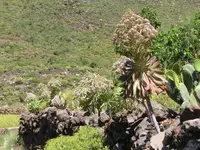
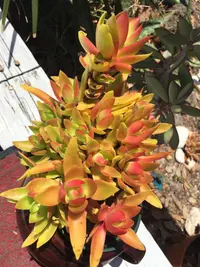
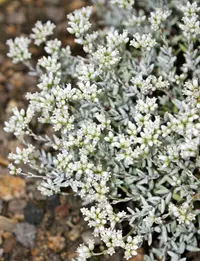
Senecio dubitabilis is a small succulent shrub in the daisy family, valued for its compact, branching form and fleshy, cylindrical leaves. It often develops a woody base with age, giving it a slightly bonsai-like character in pots. Native to arid regions of southern Africa, it is adapted to strong light, sharp drainage, and infrequent rainfall. These traits make it relatively undemanding but sensitive to overwatering or poorly drained soil. For anyone learning how to care for Senecio dubitabilis, it suits bright indoor spots or dry outdoor climates where soil dries quickly between waterings.

Main Plant Requirements

Care Difficulty

Moderate Care

Light Preference

Full Sun

Water Requirements

Low Water

Temperature Preference

Warm Climate

Hardiness Zone

10–11

Soil Texture

Sandy, Loamy, Rocky

Soil pH

Slightly acidic (6.5–7.0), Neutral (7.0)

Soil Drainage

Well-drained

Fertilization

Minimal (feed rarely)

Get Personalized Care Plan

Scan your plant to receive care tips personalized for your specific plant

Available on iOS and Android

How to Care for the Senecio dubitabilis

This drought-tolerant succulent prefers bright, measured sun exposure to maintain compact growth and healthy coloration.

  • Provide 4–6 hours of direct morning sun with bright, filtered light the rest of the day; avoid harsh, reflected heat from walls or paving.
  • Allow light afternoon shade in hot climates to prevent leaf scorch and wrinkling, especially when temperatures exceed 90°F (32°C).
  • In winter, when the sun is lower, give Senecio dubitabilis the brightest frost-free spot available to prevent stretching and weak, elongated growth.

This species stores water in its tissues, so watering must stay infrequent and guided by soil dryness rather than a fixed schedule.

  • Water only when the top 3–5 cm of soil are completely dry; in hot, active growth this may mean roughly every 10–21 days depending on climate and soil texture.
  • Use sharply draining, gritty soil so water runs through in seconds; prolonged soggy conditions cause root rot, mushy stems, and a sour smell in the root zone.
  • Reduce watering sharply in the cooler season, giving just enough to prevent full shriveling; deep, even wrinkling of stems signals thirst, while yellowing and splitting indicate overwatering.

This succulent prefers warm, dry air and is sensitive to both hard frost and prolonged, extreme heat.

  • Aim for 65–80°F (18–27°C) during active growth, where metabolism and root activity remain stable without stressing the tissues.
  • Protect from cold below 40°F (4°C) and avoid any frost; brief exposure near 32°F (0°C) can cause soft, water-soaked damage on leaves and young stems.
  • In hot periods above 90°F (32°C), give light shade and good airflow, and avoid overhead watering during the hottest hours to reduce heat stress and tissue scald.

This drought-adapted succulent tolerates typical indoor humidity and does not need special moisture in the air.

  • Target 30–50% humidity, similar to most heated homes, without deliberate humidification.
  • Dry air is usually tolerated, but combine low humidity with careful watering to avoid leaf shriveling.
  • If stems wrinkle despite slightly moist soil, raise humidity mildly by grouping pots away from strong drafts.

This species prefers a very fast-draining, mineral-heavy mix that keeps roots aerated and dry between waterings.

  • Use a gritty, sandy mix such as 50–60% cactus soil blended with coarse pumice or perlite for structure and airflow.
  • Aim for slightly acidic to neutral pH, around 6.0–7.0, which suits most commercial cactus or succulent blends.
  • Add extra mineral aggregate (pumice, perlite, or coarse sand) if water takes longer than 30–40 seconds to drain through the pot.
  • Avoid dense peat-heavy or clay-based mixes, which trap water, reduce oxygen around roots, and increase rot risk for Senecio dubitabilis.

This plant is well-suited to container growing, both indoors and outdoors in suitable climates.

  • Choose a shallow, wide pot to match its fibrous, spreading roots and reduce unused wet substrate depth.
  • Prefer unglazed terracotta if extra evaporation is helpful in cooler or dimmer settings with slower drying.
  • Place the pot in a stable position or use a heavier container material if the stems become elongated and top-heavy over time.

This drought-tolerant succulent needs modest feeding, mainly during active spring–summer growth.

  • Apply a balanced liquid fertilizer (around 10-10-10 NPK) at 1/4–1/2 strength every 4–6 weeks in spring and early summer.
  • Use a product formulated for cacti and succulents or a balanced general fertilizer diluted well in water.
  • Avoid compost-heavy mixes that stay wet; excess organic matter can cause root rot in Senecio dubitabilis.
  • Stop feeding in fall and winter when growth slows, resuming only as new growth appears.

Light pruning helps maintain shape and remove weak growth on Senecio dubitabilis.

  • Carry out pruning in late winter or early spring before strong new growth starts.
  • Use clean, sharp scissors or pruners to remove dead, damaged, or shriveled stems at the base.
  • Shorten leggy or stretched shoots to encourage a more compact, branched habit.
  • Discard diseased material and avoid heavy cuts into thick, healthy stems in a single session.

Container-grown plants benefit from occasional repotting to refresh the fast-draining substrate.

  • Plan to repot every 2–3 years in late winter or early spring, just before new growth of Senecio dubitabilis begins.
  • Check for roots circling the pot, slow growth despite good light, or water running straight through as signs repotting is needed.
  • Move to a pot only 2–3 cm wider, using a gritty cactus–succulent mix to limit moisture retention.
  • Gently loosen the root ball, trim any rotten roots, and keep the plant slightly dry for 3–5 days after repotting to reduce stress.

This species is most often propagated from stem cuttings taken during the active growing season.

  • Take 5–8 cm non-flowering stem cuttings in late spring or early summer and allow cut ends to callus for 2–3 days.
  • Insert cuttings into a dry, gritty cactus mix, burying only the lowest 1–2 cm of stem.
  • Place in bright, indirect light at 68–77°F and keep the mix barely moist until roots form.
  • Seed propagation is possible but slower; sow in a well-drained mix with gentle bottom warmth and very light moisture.

Cold sensitivity means most plants need some level of winter protection, especially in containers.

  • Senecio dubitabilis is not reliably hardy below about 30°F; sustained freezes can damage roots and stems.
  • In regions with frost, grow in pots and move under cover to a bright, cool indoor spot for winter.
  • Water sparingly indoors, allowing the mix to dry almost completely between light waterings.
  • For in-ground plants in mild climates, apply a 3–5 cm layer of coarse mineral mulch to insulate the root zone while keeping it free-draining.

Care Tips

Acclimate To Sun

When moving the plant outdoors for summer, increase direct sun exposure over 7–10 days to prevent epidermal scorch and wrinkled, sunburned stems.

Rotate For Symmetry

Turn the pot 90° every 2–3 weeks during active growth so stems thicken evenly and the clump stays upright instead of leaning toward the brightest side.

Use Mineral Mulch

Top-dress the soil surface with a 0.5–1 cm layer of coarse grit or pumice to keep stem bases dry, reduce algae and fungus gnats, and stabilize shallow roots.

Cool Rest Period

Provide a slightly cooler, drier rest in winter (around 55–60°F with very sparse watering) to mimic natural conditions and encourage compact, firm new growth in the next season when caring for Senecio dubitabilis.

Inspect Stem Bases

Every month gently press near the stem bases and remove any softened, discolored segments promptly with a sterile blade to stop rot from spreading through the clump.

Common Pests and Diseases

Mealybugs

This pest feeds on sap and appears as white, cottony clusters in leaf crevices and along stems. Symptoms include stunted growth, sticky honeydew, and sooty mold developing on coated surfaces.

Solution

Isolate the plant, then wipe affected areas with cotton swabs dipped in 70% isopropyl alcohol and rinse gently after treatment. For persistent infestations, use a ready-to-use insecticidal soap or neem oil spray, repeating every 7–10 days while also reducing excess nitrogen fertilization to discourage rapid, soft growth.

Aphids

These insects cluster on tender new growth and flower stalks, sucking sap and causing distortion, curling, and yellowing of young tissues. Sticky honeydew and associated sooty mold may develop on leaves and nearby surfaces.

Solution

Rinse stems and foliage under a gentle but firm stream of water to dislodge colonies, then apply insecticidal soap to all aboveground parts, including undersides of leaves. Repeat treatments every few days until no new aphids appear, and avoid overfertilizing, which promotes the soft new growth that aphids prefer.

Spider mites

This pest thrives in warm, dry conditions and feeds on leaf cells, leading to fine speckling, dull or silvery patches, and eventual leaf drop. Fine webbing may be visible between stems and small leaves when populations are high.

Solution

Increase humidity around the plant, then thoroughly hose or shower the foliage to remove mites and webs, taking care not to damage the fleshy leaves. Follow with repeated applications of miticidal products labeled for houseplants, such as neem oil or insecticidal soap, ensuring full coverage and improved air circulation as part of overall Senecio dubitabilis care instructions.

Botrytis blight

This disease is caused by a fungal pathogen that favors cool, humid, and poorly ventilated conditions, leading to soft, water-soaked spots on leaves and stems. Symptoms include gray, fuzzy mold on affected tissues, especially where debris or old flowers remain on the plant surface.

Solution

Remove and discard all affected leaves and stem sections, along with any fallen plant debris from the soil surface, and improve airflow around the plant. Water at the base in the morning, keep foliage dry, avoid overcrowding, and consider a fungicide labeled for ornamental succulents if cultural changes are not sufficient.

Powdery mildew

This disease produces a white, powdery growth on stems and sometimes leaves when plants are kept in stagnant air and moderate humidity with limited light. Symptoms include slowed growth and a dull, dusty appearance on the plant surface.

Solution

Increase light levels, improve ventilation, and avoid overhead watering so surfaces dry quickly. Gently wipe off affected areas when feasible, remove severely affected stems, and use a sulfur-based or potassium bicarbonate fungicide labeled for ornamentals if the infection continues to spread.

Interesting Facts

Namibian cliff specialist

This species is endemic to Namibia, where it naturally grows on rocky slopes and cliffs in arid regions, anchoring itself in crevices with very little soil.

Swollen water-storing stems

It has distinctly thickened, segmented stems that act as water-storage organs, an adaptation that allows it to survive long dry periods in its native habitat.

Winter rainfall response

In nature, this plant responds primarily to winter rainfall patterns of southwestern Africa, showing most of its growth activity during the cooler, moister months rather than in peak summer heat.

FAQs about Senecio dubitabilis

This species contains pyrrolizidine alkaloids, which are toxic if eaten in quantity by pets or humans and may irritate skin in sensitive individuals. Keep plants out of reach of children, cats, dogs, and grazing animals.

Grow Healthy Plants with Botan Care

Keep your plants happy and healthy with plant identification, disease detection, and easy care guidance.

Botan plant care app — identify plants on mobile

Explore More Plants