Silver Stonecrop Care (Crassula biplanata)

Silver Stonecrop

About Silver Stonecrop

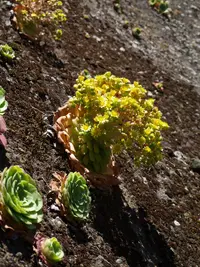
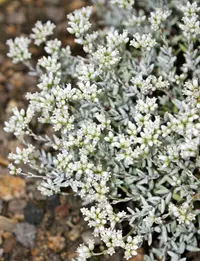
Silver stonecrop, Crassula biplanata, is a compact, low-growing succulent valued for its tight rosettes and small, fleshy leaves. It usually forms a mat or cushion, giving containers and rock gardens a neat, structured look.

This species is native to South Africa, where it grows in sunny, well-drained sites with periodic dryness. Its succulent leaves store water, which makes it relatively forgiving of short lapses in watering.

Because of its slow, tidy growth and modest size, it suits windowsills, small pots, and mixed succulent plantings. Understanding how to care for Silver Stonecrop mainly involves providing bright light, fast-draining soil, and avoiding persistent excess moisture.

Main Plant Requirements

Care Difficulty

Easy Care

Light Preference

Full Sun

Water Requirements

Low Water

Temperature Preference

Tropical / Frost Sensitive

Hardiness Zone

10–11

Soil Texture

Sandy, Loamy, Rocky

Soil pH

Slightly acidic (6.5–7.0), Neutral (7.0)

Soil Drainage

Well-drained

Fertilization

Minimal (feed rarely)

Get Personalized Care Plan

Scan your plant to receive care tips personalized for your specific plant

Available on iOS and Android

How to Care for the Silver Stonecrop

This succulent prefers bright, open conditions similar to its natural rocky habitats.

  • Provide 6–8 hours of direct sun daily; morning sun and light midday exposure suit Silver Stonecrop in most temperate climates.
  • In very hot regions, give full morning sun with light afternoon shade to prevent leaf scorch and pale, stressed foliage.
  • If stems stretch or leaves lose color, increase light exposure gradually; shift from shade to sun over 7–10 days to avoid sunburn.

Crassula biplanata stores water in its leaves and needs infrequent, careful watering.

  • Water only when the top 3–5 cm of soil are completely dry, then soak the root zone and let excess drain away.
  • Use very free-draining, gritty soil; persistently wet or compacted ground leads to root rot, mushy leaves, and leaf drop.
  • In spring and summer, drying cycles are shorter; in cooler seasons extend intervals, watching for slight leaf wrinkling as a cue to water.

This species prefers warm, dry conditions and does poorly in prolonged cold or damp.

  • Aim for 65–80°F (18–27°C) during active growth for steady development and compact, firm foliage.
  • Protect from frost; short dips to 32°F (0°C) may be survived if soil is dry, but repeated freezing damages roots and stems.
  • In hot spells above 90°F (32°C), increase air movement and provide light shade to limit stress and reduce the risk of sunburned tissue.

This species stays healthiest in typical indoor air, so humidity is rarely a concern for Silver Stonecrop.

Crassula biplanata needs a fast-draining, mineral-based mix to prevent root rot.

  • Use a gritty, sandy mix with small particles, not dense potting soil that compacts around roots.
  • Combine roughly 50–60% cactus mix with 40–50% mineral amendments such as pumice, perlite, or coarse sand.
  • Aim for slightly acidic to neutral pH around 6.0–7.0 to support nutrient uptake without stressing roots.
  • Avoid water-retentive components like high peat content or fine compost that keep the root zone wet for long periods.

This species is very suitable for container growing due to its compact, shallow-rooted habit.

  • Choose a wide, shallow pot to match the spreading root system and keep the mix drying evenly after watering.
  • Prefer unglazed terracotta if overwatering is a risk, since it releases moisture through the pot walls and speeds drying.
  • Ensure the container is heavy or low-profile enough that it does not tip as the plant spreads and offsets along the rim.

This small succulent, often called Silver Stonecrop, grows well with light, measured feeding during its active season.

  • Use a balanced liquid fertilizer (around 10-10-10) diluted to 1/4–1/2 strength for container plants.
  • Feed every 4–6 weeks in spring and summer when growth is active.
  • Avoid fertilizing in fall and winter, when growth slows and roots rest.
  • Skip rich compost or heavy slow-release products that can retain moisture and increase rot risk.

Pruning Crassula biplanata is mainly used to keep a compact shape and remove weak growth.

  • Best time is late winter to early spring, before strong new growth starts.
  • Use clean, sharp scissors or small pruning shears to avoid crushing stems.
  • Remove dead, damaged, or crossing stems and any leggy, stretched shoots.
  • Pinch or cut back tips lightly to encourage branching and a denser, low mound.

This compact succulent prefers slightly tight quarters and only occasional repotting or transplanting.

  • Repot every 2–3 years or when roots circle the pot or emerge from drainage holes.
  • Aim for late winter to early spring so Crassula biplanata can recover as growth resumes.
  • Choose a shallow container with excellent drainage and a gritty cactus-succulent mix.
  • Gently loosen the root ball, remove old soil, and keep watering light for 1–2 weeks to reduce stress.

This species is commonly propagated to expand plantings or share offsets.

  • Use short stem cuttings or small divisions as the primary propagation methods.
  • Take cuttings in spring or early summer, when growth is active and temperatures are warm.
  • Allow cut ends to callus for 1–3 days, then place in a gritty, barely moist mix.
  • Provide bright, indirect light and warmth (70–80°F) to support rapid root formation.

This succulent prefers mild, dry winters and has limited tolerance to hard frost.

  • In USDA zones below 9, grow in containers and move indoors before temperatures drop near 32°F.
  • Keep indoor plants in bright light and on the dry side, watering sparingly.
  • If planted outside in mild climates, use a very gritty soil and avoid winter wet.
  • Do not expose foliage to prolonged freezing or icy winds, which can scar or collapse tissue.

Care Tips

Offset management

Periodically remove and replant offset clusters from the outer edges of the mat to prevent overcrowding and to maintain good airflow across the planting surface.

Winter rain protection

In climates with wet, cool winters, place containers under an overhang or use a simple clear cover to keep excess rain off the foliage and crown, reducing the risk of rot.

Rock crevice planting

Tuck plants into shallow rock crevices or between pavers with gritty substrate to stabilize the roots, limit competition from other plants, and create the dry microhabitats this species prefers.

Root inspection schedule

Every 1–2 years, lift a small section of the mat and check roots for browning or mushiness, then trim damaged roots and refresh only the top layer of substrate instead of fully disturbing the planting.

Summer heat adaptation

In very hot regions, gradually shift containers to a spot with a few hours of filtered light before peak summer so the foliage acclimates slowly and avoids sudden sun scorch while still growing Silver Stonecrop successfully.

Common Pests and Diseases

Mealybugs

This pest feeds on sap and often hides in leaf joints and along stems, leaving white, cottony clusters. Symptoms include sticky honeydew, weak growth, and distorted new leaves.

Solution

Remove visible insects with a cotton swab dipped in 70% isopropyl alcohol and repeat weekly until no new clusters appear. Improve light and air movement, isolate the plant from others, and if the infestation is larger, use a ready-to-use insecticidal soap or neem oil spray, coating all leaf surfaces including undersides.

Aphids

These insects cluster on tender shoots and flower stalks, sucking sap and causing curling or yellowing of new growth. Sticky honeydew and occasional sooty mold on leaves may appear.

Solution

Rinse stems and leaves under a gentle but firm stream of water to dislodge colonies, then follow with insecticidal soap if needed. Monitor new growth closely and repeat treatment every 5–7 days until no aphids are seen, keeping the plant slightly drier and in strong light to discourage re-infestation.

Spider mites

This pest thrives in hot, dry conditions and feeds on leaf sap, causing fine speckling, dull foliage, and sometimes delicate webbing between leaves. Symptoms include slowed growth and a general grayish or dusty look to the plant.

Solution

Increase humidity around the plant briefly during treatment, then rinse foliage thoroughly, focusing on leaf undersides. Follow with miticidal or neem oil sprays labeled for mites, repeating every 5–7 days, and avoid prolonged very dry, stagnant air as part of long-term Crassula biplanata care.

Edema

This physiological disorder occurs when roots absorb water faster than leaves can transpire it, leading to small corky, blister-like spots on leaves. Symptoms include rough, tan patches that do not spread like a typical fungal infection.

Solution

Allow the potting mix to dry more between waterings and ensure the container has free drainage. Provide stronger light, avoid sudden shifts from very dry to very wet soil, and keep foliage in good airflow to balance water uptake and loss.

Fungal leaf spots

This disease appears as small brown or dark spots on leaves, sometimes with a faint yellow halo, often after prolonged dampness or poor airflow. Symptoms include gradual spotting on older leaves, which may eventually yellow and drop.

Solution

Remove and discard affected leaves, then allow the soil surface and foliage to dry well between waterings while improving air circulation around the plant. If spotting continues, apply a sulfur- or copper-based fungicide labeled for ornamental succulents, avoiding overhead watering and crowded placement going forward.

Interesting Facts

Opposite leaf pairs

This species produces tiny succulent leaves in opposite pairs arranged on either side of the stem, giving the shoots a flattened, two-ranked look that inspired the name biplanata, meaning two planes.

Coastal South African native

It is naturally found in rocky, often coastal habitats of South Africa, where it grows in shallow, fast-draining soils and copes with strong sun and periodic drought.

CAM photosynthesis user

Like many small succulents, it uses Crassulacean Acid Metabolism (CAM), a photosynthetic pathway where stomata open mainly at night to reduce water loss in its arid native conditions.

FAQs about Silver Stonecrop

Brown leaves usually result from underwatering, intense direct sun scorch, or salt buildup from fertilizer. Check the roots, adjust watering, and flush the soil with clean water if fertilizer crust is visible on the surface.

Grow Healthy Plants with Botan Care

Keep your plants happy and healthy with plant identification, disease detection, and easy care guidance.

Botan plant care app — identify plants on mobile

Explore More Plants