septicweed Care (Senna occidentalis)

Also known as: negro-coffee, stinkingweed, Coffee Senna, coffeeweed, Mogdad coffee, senna coffee, Stephanie coffee, styptic weed, Bana Chakunda, قهوة سنا
septicweed

About septicweed

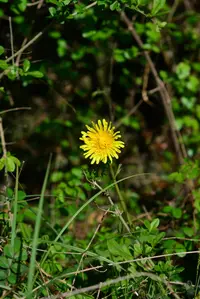
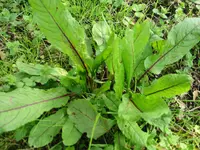
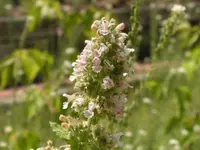
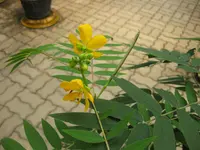
Septicweed (Senna occidentalis) is a fast-growing annual or short-lived perennial shrub, known for its bright yellow flowers and feathery, compound leaves. It often reaches medium height and forms a loose, bushy shape.

In the wild it occurs in tropical and subtropical regions worldwide, commonly along roadsides, disturbed soils, and fallow fields. It spreads easily by seed and can become weedy in warm climates.

For gardeners, it is generally easy to grow in warm conditions but must be managed to prevent unwanted self-seeding. It prefers full sun, well-drained soil, and moderate moisture. Understanding how to care for septicweed helps keep it controlled and healthy in cultivation.

Main Plant Requirements

Care Difficulty

Easy Care

Light Preference

Full Sun

Water Requirements

Moderate Water

Temperature Preference

Tropical / Frost Sensitive

Hardiness Zone

9–11

Soil Texture

Sandy, Loamy, Clay

Soil pH

Slightly acidic (6.5–7.0), Neutral (7.0)

Soil Drainage

Well-drained

Fertilization

Minimal (feed rarely)

Get Personalized Care Plan

Scan your plant to receive care tips personalized for your specific plant

Available on iOS and Android

How to Care for the septicweed

Senna occidentalis thrives in strong light and performs best in open, sunny locations.

  • Provide 6–8 hours of direct sun daily; full sun promotes dense growth and abundant flowering in septicweed.
  • Plant where it receives bright morning sun and can tolerate hot afternoon sun, as long as soil moisture is maintained and roots do not dry out completely.
  • In partial shade (3–4 hours sun), expect taller, looser growth and fewer flowers, and watch for pale, elongated stems as a sign of insufficient light.

Senna occidentalis prefers evenly moist, well-drained soil and handles short dry spells once established.

  • Water when the top 3–5 cm of soil feels dry, applying a deep soak rather than frequent light splashes to encourage strong root development.
  • Use sandy or loamy soil with good drainage; standing water or heavy clay promotes root rot, yellowing leaves, and dieback from overwatering.
  • Reduce watering during cool seasons or prolonged cloud cover, watching for wilting, crisp leaf edges, and premature leaf drop as signs of underwatering.

This species favors warm conditions and is sensitive to frost and prolonged cold.

  • Aim for 70–90°F (21–32°C) during active growth, when Senna occidentalis produces the fastest shoot and flower development.
  • Avoid temperatures below 40°F (4°C); light frost damages foliage, and hard frost can kill plants to the ground or completely in colder climates.
  • In hot spells above 95°F (35°C), growth may slow, so ensure adequate soil moisture and consider light afternoon shade in exposed, reflective sites.

Humidity is rarely critical for Senna occidentalis, which tolerates a wide range of ambient conditions.

  • Performs well at 30–60% humidity typical of most homes and outdoor settings.
  • Tolerates dry air, but prolonged hot, very dry conditions can crisp leaf edges and tips.
  • If leaves brown and curl in extreme heat, group plants or place near other vegetation to slightly raise local humidity.

Senna occidentalis prefers freely draining, moderately fertile soil that does not stay waterlogged.

  • Use a sandy or loamy mix with some organic matter so water drains through within a few minutes of watering.
  • Aim for slightly acidic to neutral pH, around 6.0–7.5, which supports nutrient uptake and root health.
  • For containers, combine roughly 50% all-purpose potting mix, 30% coarse sand, and 20% compost to balance moisture and aeration.
  • Avoid heavy clay, compacted soil, or mixes rich in fine peat that hold water around the roots for long periods.

This species can be grown in containers if the pot is chosen and managed carefully for its deep, fast-growing root system.

  • Select a container at least 30–40 cm deep to accommodate the taproot and reduce stress during dry spells.
  • Use a heavy or wide-based pot to prevent tipping, as the plant can become tall and top-heavy in windy places.
  • Raise the container slightly on pot feet or bricks so drainage holes stay clear and excess water exits quickly after rain or watering.

Senna occidentalis benefits from light feeding but tolerates lean soil once established.

  • Use a balanced NPK granular or slow-release fertilizer or mature compost in spring as new growth starts.
  • Apply at half the label rate to avoid overly lush, weak growth and possible nutrient burn.
  • Feed every 6–8 weeks through the warm growing season if soil is poor; skip feeding on fertile sites.
  • Stop fertilizing in late summer so growth hardens before cool weather; septicweed indoor care should also reduce feeding in winter.

Pruning Senna occidentalis helps maintain a compact, flowering shrub and removes unsafe or untidy growth.

  • Carry out main pruning in late winter or early spring before vigorous new growth begins.
  • Remove dead, diseased, or storm-damaged stems first, then thin crowded branches to improve light penetration.
  • Shorten overly long shoots to shape the canopy and encourage bushier branching and heavier flowering.
  • Use clean, sharp hand pruners or loppers and make angled cuts just above outward-facing buds.

This species is more often grown in the ground, so focus on careful transplanting rather than frequent repotting.

  • Transplant in spring after frost risk has passed, when seedlings are sturdy but before they become rootbound.
  • Look for roots circling the container drainage holes or noticeably slow growth as signals to move up a size.
  • Handle the root ball gently, loosening only the outer roots to limit stress and quicken re-establishment.
  • Set into well-drained soil at the same depth, water thoroughly, then shade lightly for a few days if conditions are hot.

Senna occidentalis is most commonly propagated from seed under warm conditions.

  • Collect mature, dry pods and store seeds cool and dry until late spring sowing.
  • Scarify hard seed coats lightly with sandpaper or brief hot-water soaking to improve germination.
  • Sow seeds in a free-draining mix, keep at 70–80°F, and maintain even, light moisture, not saturation.
  • Provide bright light and good air movement for seedlings, then harden off gradually before outdoor planting.

This tropical to subtropical plant is frost-tender and needs thoughtful winter care in cooler climates.

  • In USDA zones colder than 9, grow in containers and move indoors before nights fall below 45°F.
  • Place indoor plants in the brightest available location and reduce watering so soil dries slightly between waterings.
  • In mild climates, apply a 5–8 cm mulch around the root zone in late fall to moderate soil temperature.

Care Tips

Wind-harden young plants

Expose young plants to moderate, steady air movement from an early stage or use low, temporary windbreaks so stems thicken and do not lodge in the first strong storm.

Install sturdy staking

In windy or exposed sites, place 1–3 robust stakes outside the root zone and tie stems loosely with soft ties in a figure-eight pattern to keep tall plants upright without cutting into the bark.

Time-safe seed handling

Because seeds and other parts are toxic if ingested, collect mature pods promptly, store seeds in clearly labeled, sealed containers, and dispose of unwanted material in household trash rather than in compost that might be spread near livestock or children.

Monitor self-seeding

Check surrounding soil for volunteer seedlings each season and remove unwanted ones while young, as this species can spread aggressively and become weedy if seed set is not controlled.

Rotate planting positions

If growing septicweed in the same garden for many years, shift planting areas every 2–3 seasons to reduce buildup of soilborne pests and to take advantage of fresh, well-structured soil.

Common Pests and Diseases

Leaf spot fungi

This disease causes irregular brown to dark purple spots on leaves that may coalesce and lead to premature leaf drop, especially in warm, humid conditions.

Solution

Remove and discard heavily spotted leaves, avoid overhead watering, and increase spacing or airflow around plants; in persistent or rainy conditions, apply a copper-based or chlorothalonil fungicide according to label directions to protect new growth.

Powdery mildew

This disease produces a white, powdery coating on upper leaf surfaces and young stems, often leading to yellowing and distortion of foliage.

Solution

Improve air circulation, avoid overhead irrigation, and remove badly affected leaves; if needed, use a sulfur or potassium bicarbonate fungicide on early infections and monitor new growth closely as part of broader Senna occidentalis plant care.

Leaf-feeding caterpillars

These insects chew irregular holes or entire sections out of leaf blades and can rapidly defoliate young seedlings and small plants.

Solution

Hand-pick caterpillars where practical and encourage natural predators; for heavier infestations, use a targeted Bacillus thuringiensis (Bt) product on foliage, applying in the evening and reapplying as directed until feeding slows.

Pod borers

These insects tunnel into developing seed pods, causing distorted pods, premature pod drop, and reduced viable seed production.

Solution

Collect and destroy infested pods before larvae complete development, remove plant debris after seed set, and, where seed production matters, use fine mesh netting or timed applications of Bt on flowering and early pod stages to reduce damage.

Nematode galls

This disease-like problem, caused by root-knot nematodes, leads to swollen galls on roots, reduced vigor, pale foliage, and poor growth, especially in sandy or previously cropped soils.

Solution

Rotate with non-host or resistant cover crops, incorporate organic matter to support beneficial soil organisms, and avoid moving infested soil; in high-value plantings, use soil solarization during the hottest months to reduce nematode populations before planting.

Interesting Facts

Caffeine‑like seed alkaloids

The seeds contain xanthine alkaloids such as theobromine and trace caffeine, which contribute to their bitter taste and toxicity to livestock and humans when ingested in quantity.

Soil‑altering root exudates

Its roots release allelopathic chemicals that can suppress the germination and growth of nearby crops and weeds, which helps explain its success as an invasive species in disturbed habitats.

Night‑closing leaflets

The compound leaves show strong nyctinasty, meaning the leaflets fold together at night or under stress, which reduces water loss and may protect leaflet surfaces from nighttime herbivores.

Botan icon

Did you know?

Roasted seeds of this species have been locally used in parts of Africa, Latin America, and Asia as a coffee substitute, but controlled studies have linked such use to liver and muscle toxicity, leading many public health sources to warn strongly against its consumption.

FAQs about septicweed

Lack of flowers usually comes from insufficient light, poor soil fertility, or heavy pruning at the wrong time. Ensure full sun, a moderately fertile, well‑drained substrate, and avoid cutting new growth just before the warm growing season.

Grow Healthy Plants with Botan Care

Keep your plants happy and healthy with plant identification, disease detection, and easy care guidance.

Botan plant care app — identify plants on mobile

Explore More Plants