Wooly Bucket Bumelia Care (Sideroxylon lanuginosum)

Also known as: gum bully, Gum bumelia, Chittemwood
Wooly Bucket Bumelia

About Wooly Bucket Bumelia

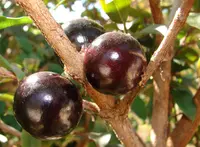
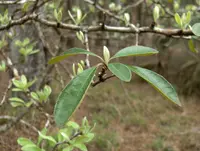
Wooly bucket bumelia, Sideroxylon lanuginosum, is a tough, slow-growing deciduous shrub or small tree from dry prairies and open woodlands of the south-central United States and northern Mexico. It typically has a rounded, irregular crown, small oval leaves, and short, stout thorns, with a slightly fuzzy texture on young growth. Inconspicuous, pale flowers attract pollinators, and dark berries that follow are eaten by birds and wildlife. Its deep root system and natural drought tolerance make it suited to low-maintenance, dry landscapes, though it dislikes poorly drained soils. For those who want to care for Wooly Bucket Bumelia successfully, full sun and a well-drained, slightly alkaline soil are usually preferred.

Main Plant Requirements

Care Difficulty

Easy Care

Light Preference

Full Sun

Water Requirements

Low Water

Temperature Preference

Cold Hardy

Hardiness Zone

5–9

Soil Texture

Sandy, Loamy, Rocky

Soil pH

Slightly acidic (6.5–7.0), Neutral (7.0)

Soil Drainage

Well-drained

Fertilization

Minimal (feed rarely)

Get Personalized Care Plan

Scan your plant to receive care tips personalized for your specific plant

Available on iOS and Android

How to Care for the Wooly Bucket Bumelia

This sun-loving North American shrub prefers open sites with plenty of direct light for strongest growth.

  • Provide 6–8 hours of direct sun daily; full sun promotes dense branching and better flowering in Wooly Bucket Bumelia.
  • Accepts light or partial shade, especially with morning sun and dappled afternoon light, but dense shade leads to sparse foliage and fewer fruits.
  • In hot southern climates, protect from intense late-afternoon sun on exposed slopes to reduce leaf scorch, especially during summer droughts.

This drought-tolerant shrub prefers deep, infrequent watering once established in well-drained soil.

  • Outdoors in the ground, water only when the top 5–8 cm of soil are dry and leaves begin to look slightly dull or lose some turgor.
  • Young Sideroxylon lanuginosum plants need more frequent deep soakings their first 1–2 years to build a strong root system, then water less often.
  • Ensure fast-draining, rocky or sandy soil; persistent wetness, sour smell, or yellowing leaves indicate overwatering and risk of root rot.

This species is adapted to continental climates with hot summers and cold winters.

  • Active growth is strongest around 70–90°F (21–32°C), though it continues to perform acceptably from about 60–95°F (16–35°C).
  • Mature plants typically tolerate winter lows near 0°F (−18°C) when fully dormant, but young shrubs benefit from mulch insulation in colder regions.
  • Handles dry heat reasonably well if roots are established, but sudden hard frosts after early warm spells can damage new shoots in spring.

This species tolerates a wide humidity range and usually does not need special humidity management outdoors or indoors in most US homes.

  • Target 30–60% relative humidity, as Wooly Bucket Bumelia is naturally adapted to dry to moderately humid climates.
  • Dry indoor air may cause marginal leaf browning and occasional leaf drop, but typically does not threaten plant survival.
  • If air is extremely dry and leaf edges crisp, increase local humidity with a nearby tray of water and pebbles rather than misting foliage.

This drought-adapted shrub prefers mineral, well-drained soil that does not stay wet after rain or watering.

  • Use a sandy or gravelly loam with 20–40% mineral grit such as coarse sand, small gravel, or pumice to mimic dry native habitats.
  • Aim for slightly acidic to slightly alkaline conditions, around pH 6.5–8.0, which Sideroxylon lanuginosum typically tolerates well.
  • Blend a modest amount of compost or aged bark (10–20%) to support establishment, but keep overall organic content low to avoid waterlogging.
  • Avoid dense clay, peat-heavy mixes, or sites where water stands after rain, since poor aeration promotes root rot and weak growth.

This species can be grown in containers, but performs best when the container setup closely mimics a dry, stable, outdoor site.

  • Select a deep, heavy container (ceramic or thick-walled) to offset the shrub’s eventual weight and prevent tipping in strong winds.
  • Fill the bottom 2–3 in with coarse gravel or large pumice to keep the root zone from sitting in residual water.
  • Choose a container only 5–10 cm wider than the root mass so the mix dries predictably and does not stay cool and wet for long periods.

This drought-tolerant native tree usually grows well in average soil and needs only modest supplemental feeding when cultivated as Wooly Bucket Bumelia.

  • Apply a balanced slow-release fertilizer (such as 10-10-10) at 1/2 strength once in early spring if growth or leaf color appears weak.
  • Use a light topdressing of compost around the drip line instead of frequent granular feeds in most soils.
  • Avoid feeding in late summer and winter to prevent tender growth that may be damaged by cold.
  • Water thoroughly after any fertilizer application to move nutrients into the root zone and prevent salt buildup.

Sideroxylon lanuginosum benefits from light, purposeful pruning to maintain structure and remove problem wood.

  • Carry out main pruning in late winter to early spring before active growth begins.
  • Remove dead, diseased, crossing, or storm-damaged branches with clean, sharp bypass pruners or a pruning saw.
  • Thin crowded interior branches to improve air flow and light penetration, keeping the natural form rather than creating hard angles.
  • Limit cuts on mature trees to small branches, and avoid topping, which weakens structure and increases decay risk.

This species is usually grown in the ground, so management focuses on careful transplanting rather than frequent repotting.

  • Transplant young trees in late fall or early spring when soil is workable and temperatures are mild.
  • Choose a sunny, well-drained site, planting at the same depth as in the nursery container and avoiding deep burial of the trunk flare.
  • Look for circling roots and gently tease them apart before planting to encourage outward growth.
  • Water deeply after planting, then maintain consistent moisture for the first growing season to reduce transplant shock.

Propagation of Sideroxylon lanuginosum is moderate in difficulty and most practical for patient growers or restoration projects.

  • Collect ripe seeds in fall, clean, and use a cold stratification period of 2–3 months at about 35–40°F before sowing.
  • Sow stratified seeds in a free-draining mix, keep slightly moist, and allow for slow, uneven germination over several months.
  • Take semi-hardwood cuttings in mid to late summer, use rooting hormone, and place in warm, bright, shaded conditions with high humidity.
  • Maintain good air circulation and avoid overwatering to prevent rot while roots develop.

This tree is cold hardy in much of its native range and usually needs minimal winter care once established.

  • In regions colder than its typical hardiness range, mulch the root zone with 5–8 cm of organic material, keeping it off the trunk.
  • Young or newly transplanted trees benefit from a breathable trunk wrap to reduce sunscald and bark cracking.
  • Container-grown specimens in borderline climates should be moved to a sheltered, unheated but frost-free location for winter.

Care Tips

Wind-firm training

In the first 2–3 years, leave a low, temporary stake on the windward side and prune competing leaders so the tree develops one strong central trunk that can withstand open, windy sites.

Root-zone protection

Maintain a 5–10 cm deep mulch ring out to the drip line and avoid frequent foot or equipment traffic there, since compacted soil and damaged surface roots greatly reduce this species’ drought resilience.

Livestock browsing control

If planted near grazing areas, use a sturdy wire guard or small exclusion fence for the first 5–7 years, as young shoots are highly palatable and repeated browsing will permanently distort the tree’s structure.

Calcareous-site placement

On alkaline or limestone-rich sites, position young plants where water does not pool and avoid backfilling with highly contrasting soil, which helps roots expand evenly into the native calcareous substrate.

Wildlife fruit management

When caring for Wooly Bucket Bumelia in landscapes with paved areas or patios nearby, site the tree so fruit drop occurs over lawn or naturalized ground, or be prepared for seasonal cleanup to avoid slippery surfaces and volunteer seedlings.

Common Pests and Diseases

Woolly scales

This pest forms tight, gray to white, wool-like clusters on stems and branches where it feeds on sap and weakens growth.

Solution

Prune out heavily encrusted twigs and destroy them, then treat remaining colonies by dabbing with cotton swabs dipped in 70% isopropyl alcohol or by spraying horticultural oil during the growing season, ensuring thorough coverage of bark crevices and undersides of branches.

Mealybugs

These insects appear as small, white, cottony masses in stem crotches and on new growth, where they suck sap and excrete sticky honeydew that can attract sooty mold.

Solution

Physically remove visible clusters with a strong water spray or a soft brush, then follow up with repeated applications of insecticidal soap or horticultural oil at 7–10 day intervals until no new pests appear.

Sooty canker

This disease causes dark, sunken cankers on branches and trunks, with dry, sooty black tissue under the bark and progressive branch dieback.

Solution

Cut out infected limbs well below the canker margin during dry weather, sterilizing pruning tools between cuts, and reduce plant stress by avoiding wounding, improving soil drainage, and watering deeply but infrequently during drought.

Leaf spot

Symptoms include small brown or tan spots on leaves that may enlarge, coalesce, and lead to premature leaf drop, especially in warm, humid weather.

Solution

Rake and remove fallen leaves, thin crowded branches to increase airflow, avoid overhead irrigation, and if spots spread rapidly, use a labeled copper or chlorothalonil fungicide applied according to product directions during the early part of the growing season.

Interesting Facts

Woolly leaf underside

This species has leaves with a noticeably woolly or felted underside, a dense layer of tiny hairs that helps reduce water loss and protect leaf tissue from strong sun and dry winds in its native habitats.

Specialist host for moth

It serves as a primary larval host for the threatened moth Ectima thecla, meaning the caterpillars depend on this plant for food and shelter during their development.

Calcareous soil preference

The shrub is strongly associated with limestone and other calcareous substrates in the central and southern United States, often forming part of rocky glade and woodland edges where many other woody plants struggle to establish.

Botan icon

Did you know?

The fruits of this species are a key seasonal food source for many birds and small mammals in its native range, and those animals in turn disperse the seeds, creating a tight mutual relationship between the shrub and local wildlife communities.

FAQs about Wooly Bucket Bumelia

This species is semi-evergreen to deciduous depending on climate. In warmer regions it can hold foliage much of the year, while in colder areas it drops most leaves in winter and leafs out again in spring.

Grow Healthy Plants with Botan Care

Keep your plants happy and healthy with plant identification, disease detection, and easy care guidance.

Botan plant care app — identify plants on mobile

Explore More Plants