beaked stewartia Care (Stewartia rostrata)

beaked stewartia

About beaked stewartia

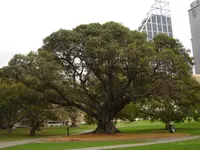
Beaked stewartia (Stewartia rostrata) is a small deciduous tree or large shrub grown mainly for its showy summer flowers and strong seasonal interest. It usually has an upright, branching habit and smooth bark that develops attractive patches of color with age.

Native to parts of central China, it performs best in temperate climates with cool to mild summers. White, camellia-like blossoms, colorful autumn leaves, and ornamental bark make it a valued specimen tree.

It prefers light shade, consistent moisture, and well-drained, slightly acidic soil. These needs, along with its dislike of disturbance after planting, explain why gardeners often find how to care for beaked stewartia moderately challenging.

Main Plant Requirements

Care Difficulty

Moderate Care

Light Preference

Partial Shade

Water Requirements

Regular Water

Temperature Preference

Cold Hardy

Hardiness Zone

6–8

Soil Texture

Loamy, Sandy, Organic-rich

Soil pH

Strongly acidic (4.5–5.5), Acidic (5.5–6.5)

Soil Drainage

Moist but well-drained

Fertilization

Minimal (feed rarely)

Get Personalized Care Plan

Scan your plant to receive care tips personalized for your specific plant

Available on iOS and Android

How to Care for the beaked stewartia

This small deciduous tree prefers bright, gentle light that mimics an open woodland edge.

  • Provide 3–5 hours of direct morning sun with light or dappled shade from midday onward to protect the bark and foliage.
  • In hotter regions, limit strong afternoon sun, as leaves of beaked stewartia can scorch under intense exposure, especially during drought or heat waves.
  • Ensure at least bright filtered light all day; too much shade reduces flowering and autumn color, so avoid dense, full-day shade under large trees.

This species prefers consistently moist, cool soil but does not tolerate waterlogged conditions.

  • Water when the top 3–5 cm of soil feel dry, soaking the root zone deeply so moisture reaches 20–30 cm down, then allow excess to drain fully.
  • During hot, dry periods, increase watering frequency and monitor for slight leaf droop or curling as an early sign of drought stress in Stewartia rostrata.
  • Avoid standing water and heavy, compacted soil; yellowing leaves, dieback at twig tips, or sour-smelling soil indicate overwatering or poor drainage.

This tree thrives in temperate climates with cool to mild summers and cold but not extreme winters.

  • Ideal growing temperatures are 60–75°F (16–24°C) in spring and summer, with gradual seasonal shifts rather than sudden spikes or drops.
  • Mature plants tolerate winter lows around -10°F (-23°C) once established, but young trees benefit from protection from severe frost and drying winter winds.
  • In hot climates, prolonged temperatures above 90°F (32°C) can stress the tree; provide mulch and afternoon shade to keep roots and canopy cooler.

This species grows best in moderately moist air but tolerates typical outdoor humidity in most temperate climates.

  • Aim for 40–60% humidity; the tree handles brief dips lower if soil moisture is consistent.
  • Dry, hot winds can desiccate leaves, causing browning edges and premature drop on beaked stewartia.
  • Increase local humidity by underplanting with low groundcovers and using mulch to reduce evaporative loss around the root zone.

This tree prefers consistently moist, acidic, well-drained soil with high organic content.

  • Use a loamy soil rich in leaf mold or compost, with a friable structure that holds moisture yet drains freely.
  • Aim for a slightly acidic pH of 5.0–6.5, avoiding limy or strongly alkaline sites that can cause nutrient lockout and chlorosis.
  • Improve drainage and aeration by blending composted bark or pine fines with native soil, and avoid heavy, compacted clay that stays waterlogged.
  • For Stewartia rostrata, avoid sites where water pools after rain, and raise the planting area slightly if natural drainage is marginal.

This species can be grown in containers for several years, but only if root space and moisture are carefully managed.

  • Choose a tall, heavy container to provide deep root run and resist tipping in wind as the canopy develops.
  • Use a structural mix combining composted bark and loam so the root ball does not dry out as quickly as in peat-heavy potting soil.
  • Position the pot where runoff can drain freely away, preventing standing water from cooling and saturating the lower root zone.

Stewartia rostrata benefits from light, precise feeding rather than heavy fertilization.

  • Apply a balanced slow-release fertilizer (e.g., 8-8-8 or 10-10-10) at half label rate in early spring as growth begins.
  • Use a thin layer of compost over the root zone once a year to support soil life and steady nutrition.
  • Do not feed in late summer or fall to avoid soft growth before frost; stop all fertilizer in winter dormancy.
  • In poor soils, one additional light granular feed in mid-summer can support growing beaked stewartia without overstimulating it.

Stewartia rostrata needs only light, thoughtful pruning to preserve its natural form and bark display.

  • Carry out structural pruning in late winter or very early spring before bud break for best visibility of branches.
  • Remove dead, diseased, or crossing branches first, then thin crowded interior shoots to improve light and airflow.
  • Use clean, sharp bypass pruners or a small pruning saw, making cuts just outside the branch collar.
  • Limit heading cuts, since heavy tip removal can spoil the tree’s natural shape and slightly reduce flowering.

This species is usually grown in the ground, so focus on careful site planting and minimal later disturbance.

  • Transplant young Stewartia rostrata in early spring or early fall when soil is moist and temperatures are mild.
  • Choose a permanent site with acidic, well-drained, consistently moist soil to avoid future moves.
  • Look for signs like poor vigor or roots circling a container as cues to step up to the next pot size once every 2–3 years in young plants.
  • Reduce root stress by watering deeply before and after planting, keeping the root ball intact, and mulching a 5–8 cm zone around but not touching the trunk.

Propagation of Stewartia rostrata is possible but slow, usually done by specialists or patient growers.

  • Use semi-ripe cuttings in mid-summer, taken with a heel of older wood, and place in a humid, shaded propagator.
  • Apply rooting hormone and use a sharply draining, low-nutrient mix, keeping temperatures around 68–75°F.
  • Sow fresh seeds outdoors in pots for natural cold stratification, allowing 1–2 winters for germination.
  • Simple layering of a flexible lower branch into moist soil can root over 1–2 years with minimal disturbance.

This tree is generally cold hardy in suitable climates but benefits from modest winter root-zone care.

  • Stewartia rostrata tolerates typical winters in USDA zones roughly 5–8 once established.
  • Apply 5–8 cm of organic mulch over the root zone in late fall, keeping it a few cm away from the trunk.
  • For young or container plants, shield roots from deep freezes with extra mulch or by moving pots into an unheated but frost-sheltered space.

Care Tips

Undisturbed Root Zone

Create and maintain a 5–10 cm deep, 60–90 cm wide mulch ring around the trunk and avoid digging or planting within it, since this species resents root disturbance and performs best with a cool, protected root zone.

Shelter From Wind

Site the plant where it is shielded from strong, drying winds by buildings or taller shrubs, or install a windbreak fence during the first 3–5 years to reduce stress on young shoots and prevent leaf scorch.

Trunk And Bark Protection

Use a breathable trunk guard or a double layer of burlap around the lower stem in winter to protect the smooth bark from sunscald and frost cracks, especially on south- and west-facing exposures.

Gentle Form Training

In late winter, selectively remove or shorten only crossing or very low branches and lightly stake young leaning stems, guiding them with soft ties to build a stable, well-spaced framework without heavy heading cuts.

Understory Companion Planting

Plant shallow-rooted woodland perennials or groundcovers with similar moisture needs under the canopy to shade the soil, keep roots cool, and create a stable microclimate that supports long-term success when growing beaked stewartia.

Common Pests and Diseases

Leaf spot

This disease causes circular to irregular brown or purplish spots on leaves that may coalesce, leading to premature leaf drop, especially in humid conditions.

Solution

Remove and discard heavily spotted leaves, keep fallen debris cleaned up, and water at soil level to keep foliage dry; improve airflow by light thinning of crowded branches and, if needed, apply a registered copper or chlorothalonil fungicide in spring when new leaves emerge, following label directions.

Powdery mildew

This disease appears as a white to gray powdery coating on young leaves and shoots, which can lead to distorted growth and reduced vigor in shaded, humid sites.

Solution

Increase light and air circulation by selective pruning and avoid overhead watering; in persistent cases, treat new growth during humid periods with a labeled sulfur or potassium bicarbonate product, applying at the first sign of mildew and repeating as directed.

Scale insects

These insects attach to stems and sometimes leaves as small, dome-shaped bumps, sucking sap and causing yellowing foliage, weakened shoots, and sticky honeydew deposits.

Solution

Prune out heavily infested twigs, gently scrub remaining scales with a soft brush and soapy water, and encourage natural predators; for heavier infestations, use a horticultural oil spray during the dormant season and a lighter summer oil on foliage if needed, ensuring full coverage of stems and branch crotches.

Aphids

These insects cluster on tender new shoots and leaf undersides, sucking sap and causing curling, distortion, and sticky honeydew that can lead to sooty mold growth.

Solution

Dislodge colonies with a firm stream of water, pinch back heavily infested shoot tips, and encourage lady beetles and lacewings; where needed, use an insecticidal soap or lightweight horticultural oil, coating the undersides of leaves and repeating at 5–7 day intervals until populations collapse, as part of Stewartia rostrata plant care.

Interesting Facts

Restricted Chinese range

This species is naturally restricted to montane forests in central and southwestern China, where it grows on cool, moist slopes and in mixed broadleaf woodlands. Its relatively narrow native range contributes to its rarity in cultivation compared with other stewartias.

Beaked fruit shape

The species name rostrata refers to the beak-like tip of its woody seed capsules. These elongated, pointed fruits are a key feature used by botanists to distinguish it from related stewartia species.

Distinctive pink-flushed buds

Flower buds and early flowers often show a soft pink flush before opening to mostly white blooms. This delicate color transition, combined with the camellia-like flowers, makes the plant especially valued in ornamental collections focused on growing beaked stewartia.

Botan icon

Did you know?

In parts of its native range in China, Stewartia rostrata is considered regionally uncommon in the wild, so ex situ plantings in botanical gardens and arboreta play a role in safeguarding its genetic diversity outside its natural habitats.

FAQs about beaked stewartia

Flowering usually occurs in early to mid-summer, often June–July, depending on climate. Individual flowers last only a few days, but new buds open over several weeks, creating an extended, though not continuous, display.

Grow Healthy Plants with Botan Care

Keep your plants happy and healthy with plant identification, disease detection, and easy care guidance.

Botan plant care app — identify plants on mobile

Explore More Plants