velvet rollrim Care (Tapinella atrotomentosa)

Also known as: Velvet-footed Pax
velvet rollrim

About velvet rollrim

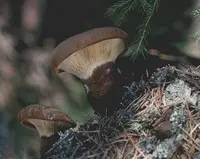
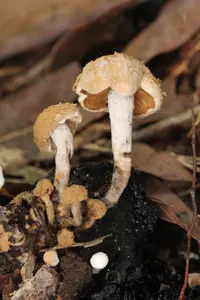
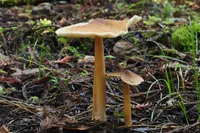
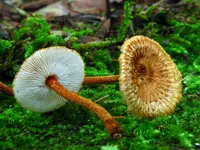
Velvet rollrim (Tapinella atrotomentosa) is a fleshy, wood-rotting fungus, not a typical green houseplant. It forms thick, yellow-brown caps with a velvety dark-brown stem base. The gills are yellow to ochre and often decurrent, running slightly down the stem.

This species usually grows on decaying conifer stumps and logs in temperate forests, especially in pine-dominated areas. It prefers cool, moist, shaded conditions and stable, decomposing wood, which makes it difficult to maintain in home settings.

Most people do not try to care for velvet rollrim indoors, as it relies on complex interactions with wood and microbes rather than standard potting soil or containers.


Main Plant Requirements

Care Difficulty

Hard Care

Light Preference

Shade

Water Requirements

Keep Soil Moist

Temperature Preference

Cool Climate

Hardiness Zone

Unknown

Soil Texture

Loamy, Silty, Organic-rich

Soil pH

Strongly acidic (4.5–5.5), Acidic (5.5–6.5)

Soil Drainage

Moist but well-drained

Fertilization

Minimal (feed rarely)

Get Personalized Care Plan

Scan your plant to receive care tips personalized for your specific plant

Available on iOS and Android

How to Care for the velvet rollrim

This wood-dwelling fungus prefers cool, shaded forest conditions with only limited direct sun exposure.

  • Aim for bright shade or dappled light, such as under conifers or deciduous trees, with 1–2 hours of weak morning sun at most.
  • Avoid strong midday and afternoon sun, which can dry substrates quickly and scorch developing velvet rollrim fruiting bodies.
  • In summer, provide deeper shade or thicker canopy cover; in cooler seasons, slightly more filtered light is acceptable if substrates do not dry out.

This species thrives on consistently moist, not saturated, woody substrates in forest-like conditions.

  • Maintain evenly moist, well-drained wood or woody mulch, allowing the top 2–3 cm of surrounding material to feel slightly dry before adding water.
  • Increase moisture in warm, dry periods by soaking the woody substrate thoroughly, then letting excess water drain away to prevent standing water and rot.
  • Reduce supplemental watering in cool or wet seasons; signs of overwatering include foul odor and soggy, collapsing substrate, while underwatering leads to hard, dry wood and aborted caps.

This fungus grows best in cool to mildly warm conditions typical of temperate forests.

  • Optimal fruiting usually occurs around 50–68°F (10–20°C), with steady moisture and shade supporting stable development.
  • Growth often slows outside about 41–75°F (5–24°C); short exposures near these limits are tolerated if the substrate does not freeze or overheat.
  • Fruiting bodies are sensitive to hard frost below 32°F (0°C) and to hot, dry weather above 80°F (27°C), which can cause rapid drying and deformation.

Humidity is not a major factor for this fungus in outdoor cultivation.

This fungus prefers moist, woody, organic-rich substrates rather than typical garden soil.

  • Mimic decaying conifer wood by using a coarse mix of hardwood or softwood chips, shredded bark, and leaf litter with minimal fine particles.
  • Ensure excess water can drain away while the substrate stays evenly moist, never waterlogged or compacted.
  • Maintain a slightly acidic reaction around pH 5.0–6.0 by using conifer-based chips or peat-heavy components.
  • Avoid dense mineral soil, high-salt fertilizers, or sterile potting mixes that lack lignin-rich wood material needed for Tapinella atrotomentosa care.

This species can be grown in containers that hold a deep, stable column of woody substrate.

  • Choose a low, wide, heavy container to prevent tipping as the fruiting bodies emerge sideways from the substrate surface or edges.
  • Use a pot with side drainage holes near the base so leachate can escape without fully drying the interior wood chips.
  • Select thick-walled plastic or wood containers that buffer rapid moisture and temperature swings in the decomposing substrate.

Tapinella atrotomentosa is a saprophytic fungus that normally gains nutrients from decaying wood and does not need supplemental fertilizer in cultivation.

Pruning is not a standard practice for Tapinella atrotomentosa, as fruiting bodies are seasonal and short-lived.

Transplanting focuses on moving colonized substrate rather than individual fruiting bodies of this wood-rotting fungus.

  • Transplant only when the woody substrate is fully colonized and growth slows or fresh fruiting declines.
  • Carry out moves in cool, moist weather, ideally spring or early fall, to limit drying stress.
  • Shift intact logs or blocks into a new shaded, humid site without breaking the mycelium network.
  • Water the new site well and maintain even moisture for several weeks so the mycelium can re-establish.

Propagation of this fungus is possible but specialized and usually done by advanced growers rather than casual gardeners.

  • Use spore inoculation onto sterilized, nutrient-rich wood-based substrate in very clean conditions.
  • Alternatively, transfer colonized mycelium blocks or dowels into fresh logs or sawdust bags.
  • Work in late spring or early fall when temperatures are mild and humidity can be kept high.
  • Maintain 60–70°F, steady moisture, and low light to support colonization before exposing to fruiting conditions.

In most temperate climates, this wood-decaying fungus is naturally cold hardy and needs no special winter care when grown outdoors.

Care Tips

Use conifer substrate

Grow Tapinella atrotomentosa on well-rotted conifer sawdust, bark, or stump sections rather than generic compost, since this fungus is adapted to decomposing conifer wood and will colonize and fruit more reliably on that material.

Pre-colonize indoors

Before placing outdoors, allow the mycelium to colonize sterilized conifer wood chips in a clean container for several weeks, which reduces contamination from competing fungi and improves the chance of successful fruiting later.

Maintain shaded placement

Site the inoculated wood in a consistently shaded, north-facing spot under conifers or shrubs to mimic its natural forest habitat and protect developing fruit bodies from drying and sunscald.

Moisture control layer

After inoculation, cover the wood substrate with a thin layer of coarse bark or conifer needles to slow evaporation while still allowing gas exchange, rather than sealing it with plastic or dense soil.

Seasonal observation log

Keep brief notes on when and where fruiting bodies appear in relation to rainfall and temperature, which helps refine the timing and placement for growing velvet rollrim in future seasons.

Common Pests and Diseases

fungal maggots

These insects are fly larvae that tunnel through the fruiting body, creating soft, discolored channels and accelerating decay. Symptoms include rapid collapse of caps, wet brown patches, and visible white or cream larvae in the flesh.

Solution

Harvest mushrooms promptly when they are still firm, and discard heavily infested specimens away from the site. For future flushes, use fine mesh netting over young fruiting bodies, remove nearby decaying fungi that can host flies, and keep the area well ventilated to reduce attractiveness to egg-laying adults.

slug and snail damage

This pest group feeds on the soft tissue of the caps and gills, leaving irregular holes, slime trails, and ragged margins. Symptoms include missing chunks of tissue on the cap edge and moist silvery mucus on and around the mushrooms.

Solution

Hand-pick slugs and snails in the evening or early morning and relocate or destroy them, and remove nearby hiding spots such as dense leaf litter or boards. For targeted protection, place copper tape barriers, raised wire mesh covers, or shallow beer traps around developing clusters, while avoiding direct contact with the fruiting bodies.

bacterial blotch

This disease causes greasy yellow to brown spots that expand into soft, water-soaked lesions on caps, often associated with prolonged wetness. Symptoms include localized slimy patches and rapid breakdown of affected tissue.

Solution

Remove and discard all affected mushrooms to prevent spread, and avoid overhead watering or prolonged surface wetting around the fruiting area. Improve air movement with spacing and ventilation, and keep irrigation to brief periods that allow surfaces to dry quickly after watering.

mold contamination

This disease appears as white, green, or gray fuzzy growth on caps, stems, or the growing surface, often in crowded or poorly ventilated conditions. Symptoms include stunted or deformed fruiting bodies and rapid spoilage of affected clusters.

Solution

Carefully remove contaminated mushrooms and adjacent substrate, disposing of them in sealed bags away from the site. For better Tapinella atrotomentosa care instructions, thin crowded clusters, increase airflow, keep the fruiting surface clean of old debris, and avoid excessive humidity that allows standing condensation on caps.

Interesting Facts

Unusual gill transformation

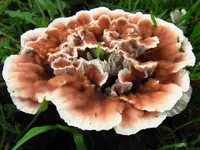
The mushroom starts with normal gills but these quickly become thick, shallow, and maze-like as it matures, giving the underside a distorted, almost wrinkled appearance. This change is a key field character used by mycologists to distinguish it from true boletes and other brown-capped fungi.

Velvety, hairy stem

Its stem is covered with a dense, dark brown to almost black velvety layer of hairs (tomentum), which inspired both its common name velvet rollrim and the species name atrotomentosa, meaning dark and velvety.

Wood-decayer that looks terrestrial

Although it often appears to grow from soil or moss, it is actually a wood-decaying fungus that fruits from buried conifer wood or heavily decomposed stumps. This habit can mislead collectors into thinking it is a typical soil-dwelling mushroom.

Botan icon

Did you know?

This species accumulates high levels of the amino acid osmoderine, which can cause the fruitbodies to darken and become sticky when wet, a feature that helps separate it from superficially similar but edible brown-capped mushrooms in coniferous forests.

FAQs about velvet rollrim

This mushroom is considered inedible and is often reported as poisonous in field guides. It should never be eaten, even if cooked. Identification mistakes with edible species are common, so foraging is not recommended for beginners.

Grow Healthy Plants with Botan Care

Keep your plants happy and healthy with plant identification, disease detection, and easy care guidance.

Botan plant care app — identify plants on mobile

Explore More Plants