

Rhizome positioning
When repotting, set the creeping rhizomes just at or slightly above the soil surface so new fronds can emerge freely and the crown does not stay constantly wet and prone to rot.

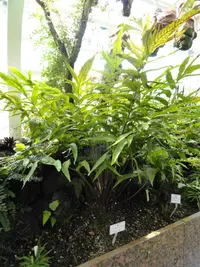
The incised halberd fern, Tectaria incisa, is a tropical evergreen fern valued for its deeply cut, halberd-shaped fronds and compact clumping habit. It forms a low mound of lush green foliage that gives a woodland or rainforest look indoors or in shaded outdoor spaces.
This species occurs naturally in warm, humid forests of Asia and the Pacific, typically on the forest floor or among rocks. Its preference for stable moisture, high humidity, and shade means it can be moderately demanding, especially in dry homes.
Those conditions shape how to care for incised halberd fern, as it dislikes drying out or strong sun. It generally prefers consistently moist, well-drained soil and protected, low-light positions.

Care Difficulty
Moderate Care

Light Preference
Partial Shade

Water Requirements
Keep Soil Moist

Temperature Preference
Tropical / Frost Sensitive

Hardiness Zone
10–11

Soil Texture
Loamy, Peaty, Organic-rich

Soil pH
Acidic (5.5–6.5), Slightly acidic (6.5–7.0)

Soil Drainage
Moist but well-drained

Fertilization
Light (every 4–6 weeks)
Scan your plant to receive care tips personalized for your specific plant
Available on iOS and Android
This fern grows best in bright, filtered light that mimics a shaded forest floor.
Tectaria incisa prefers consistently moist but not saturated soil around its roots.
This fern thrives in mild, stable temperatures with protection from frost and extreme heat.
This fern prefers consistently moist air and reacts quickly to dry indoor conditions.
This species prefers loose, moisture-retentive yet well-drained, organic-rich soil that mimics a forest floor.
This fern adapts well to containers when moisture and stability are managed carefully.
This fern responds to light, consistent feeding but is sensitive to excess salts.
Tectaria incisa needs only light, hygienic pruning to stay tidy and healthy.
Container-grown plants benefit from occasional repotting to maintain root health and steady growth.
Division is the most practical method for increasing plants in home cultivation.
This fern is sensitive to hard frost and benefits from basic winter protection in cooler climates.

Plant Health Check
Not sure what's wrong with your plant? Check your plant's health inside the app.
This species has distinctly incised, halberd-shaped pinnae, which give the fronds a jagged outline that differs from the smoother leaf margins of many other Tectaria species.
It typically grows on the forest floor of humid, shaded tropical and subtropical woodlands, often on slopes or rocky ground where leaf litter keeps the root zone cool and evenly moist.
Its spore-producing sori form in organized rows along the underside of the fronds, a pattern that helps distinguish it from similar ferns with scattered or irregular sori placement.
This species is evergreen in mild, frost-free climates, holding fronds year-round. In cooler regions it may partially die back in winter, then push new fronds from the rhizome once temperatures and moisture improve.
Keep your plants happy and healthy with plant identification, disease detection, and easy care guidance.

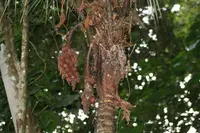
Astrocaryum aculeatissimum
Astrocaryum aculeatissimum
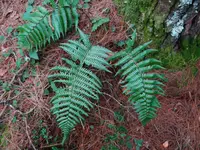
Sunset Fern
Dryopteris lepidopoda
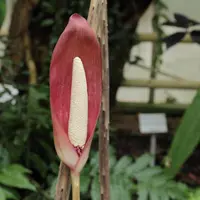
Anchomanes difformis
Anchomanes difformis
dwarf waterclover
Marsilea minuta
Drynaria sparsisora
Drynaria sparsisora
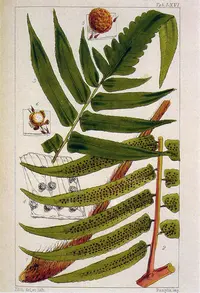
Gymnosphaera podophylla
Gymnosphaera podophylla
Rhipsalis elliptica
Rhipsalis elliptica
spotted calla lily
Zantedeschia albomaculata