Gymnosphaera podophylla Care

Gymnosphaera podophylla

About Gymnosphaera podophylla

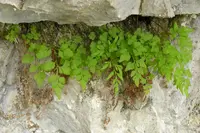
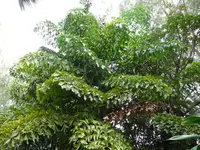
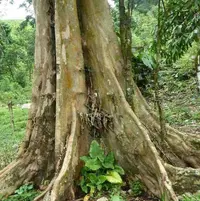
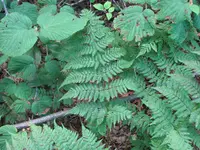
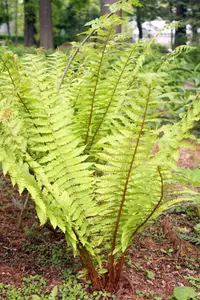
Gymnosphaera podophylla is a tropical tree fern valued for its bold, architectural fronds and stout, trunk-like stem. It develops a strong, upright crown that gives a lush, prehistoric look.

This species is native to humid forests in parts of Asia, where it grows under bright but filtered light with consistent moisture. Its preference for stable warmth, humidity, and sheltered shade makes it more demanding than many common houseplants.

Gardeners who understand how to care for Gymnosphaera podophylla usually succeed by providing protected, frost-free conditions and evenly moist, well-drained soil rich in organic matter.

Main Plant Requirements

Care Difficulty

Moderate Care

Light Preference

Partial Shade

Water Requirements

Keep Soil Moist

Temperature Preference

Tropical / Frost Sensitive

Hardiness Zone

10–11

Soil Texture

Loamy, Organic-rich, Peaty

Soil pH

Acidic (5.5–6.5), Slightly acidic (6.5–7.0)

Soil Drainage

Moist but well-drained

Fertilization

Minimal (feed rarely)

Get Personalized Care Plan

Scan your plant to receive care tips personalized for your specific plant

Available on iOS and Android

How to Care for the Gymnosphaera podophylla

This tree fern prefers bright, gentle light similar to a forest understory.

  • Provide 3–5 hours of soft morning sun with bright dappled or filtered light the rest of the day; avoid harsh midday and afternoon sun to prevent frond scorch.
  • Site Gymnosphaera podophylla in partial shade, under high tree canopy or a shade cloth giving about 40–60% shade, especially in summer.
  • In hotter months, increase shade and humidity; in cooler seasons, allow a bit more morning sun while still avoiding reflective heat from walls or paving.

This species prefers consistently moist but not waterlogged soil around its fibrous root zone.

  • Water when the top 2–4 cm of soil feel slightly dry, aiming for evenly damp soil that never becomes soggy or fully dries out.
  • Use deep, slow watering so moisture penetrates into the root area, and ensure free-draining soil or sloped ground to prevent standing water and root rot.
  • In cool seasons reduce frequency but never allow the trunk base to dry and crisp; drooping, dull fronds suggest underwatering, while yellowing, limp fronds often indicate overwatering.

This fern grows best in mild, frost-free climates.

  • Optimal growth occurs around 60–75°F (16–24°C) with stable, humid air and protection from drying winds.
  • It tolerates brief drops to about 35–40°F (2–4°C) but sustained frost can damage fronds and the crown; protect with mulch and fleece in marginal climates.
  • In hot weather above 85°F (29°C), increase shade and humidity, avoid heat radiating from walls or paving, and ensure soil never dries completely to reduce heat stress.

This fern prefers consistently moist air and reacts quickly to very dry conditions.

  • Aim for 60–80% humidity around Gymnosphaera podophylla, higher than typical centrally heated rooms provide.
  • Dry, brown pinnae tips, curled fronds, and stalled new growth indicate humidity is too low.
  • Increase humidity by grouping plants, using a pebble tray with water under (not touching) the pot, or running a nearby humidifier.

This species needs deep, moist, well-drained, organic-rich soil that mimics a forest floor.

  • Use a loose loam with high organic matter, such as 50–60% composted bark or leaf mold mixed with garden loam and some coarse sand.
  • Ensure rapid drainage yet moisture retention by adding 20–30% coarse materials like pumice, perlite, or grit to prevent waterlogging.
  • Target slightly acidic to neutral pH, around 6.0–7.0, which supports nutrient uptake and root health for Gymnosphaera podophylla.
  • Avoid compacted clay, heavy peat-only mixes, or any soil that stays saturated for more than a day after watering.

This large tree fern is only moderately suitable for containers and performs best while still relatively young.

  • Select a heavy, wide-based pot to counterbalance the developing trunk and reduce tipping in wind or on balconies.
  • Choose a container deeper than it is wide so the fibrous root system can anchor and support upright frond growth.
  • Use a slightly porous material like thick terracotta to moderate moisture while still preventing rapid drying in warm weather.

This tree fern benefits from light feeding but grows acceptably in fertile ground without heavy fertilizer inputs.

  • Use a balanced liquid fertilizer (around 10-10-10) at 1/2 strength every 4–6 weeks during spring–summer for potted Gymnosphaera podophylla.
  • Apply a thin layer of compost or well-rotted leaf mold around the root zone once in spring, avoiding direct contact with the trunk.
  • Skip feeding in winter or when growth is paused, especially in cool or low-light conditions.
  • Flush pots with plain water occasionally to prevent salt buildup from repeated fertilizer use.

Pruning needs are light and mainly focused on tidying and maintaining a clear trunk.

  • Best time is late winter to early spring, before strong new frond growth starts.
  • Remove dead, yellowing, or damaged fronds at the base with clean, sharp pruners or a hand saw.
  • Cut old lower fronds to shape the crown and expose the trunk, avoiding removal of too many healthy fronds at once.
  • Do not cut into the top growing point, as this can kill Gymnosphaera podophylla.

This species is usually grown in the ground; container plants need careful, infrequent up-potting.

  • Repot or transplant in early spring when roots circle the pot, growth slows, or soil dries very quickly after watering.
  • Plan to upsize containers only every 2–3 years, moving to a pot 2–5 cm wider with free-draining, organic-rich mix.
  • Water thoroughly 1–2 days before moving the plant, then slide the root ball out gently to limit root tearing.
  • After transplanting, keep the fern shaded, evenly moist, and sheltered from wind for several weeks to reduce stress.

Propagation is possible but slow and usually done by experienced growers rather than casual home gardeners.

  • Most commonly, Gymnosphaera podophylla is raised from spores collected from mature, healthy fronds.
  • Sow cleaned spores on sterile, fine, moist substrate in shallow trays and cover to maintain near-constant humidity.
  • Provide bright, indirect light and stable warmth around 70–75°F, avoiding direct sun on the surface.
  • Once prothalli and then small ferns form, gradually increase ventilation and transplant only when several true fronds appear.

This tree fern prefers mild, frost-free climates and benefits from targeted winter protection in colder areas.

  • Mulch the root zone with 5–10 cm of leaves or bark in late fall, keeping material away from the trunk.
  • In regions with frost, wrap the crown loosely with breathable horticultural fleece to shield the growing point.
  • For container plants, move pots into a cool, bright, frost-free space before temperatures drop near freezing.

Care Tips

Trunk protection

Wrap the developing trunk with a loose layer of breathable horticultural fleece or shade cloth during its first few summers to prevent sunscald and reduce desiccation of the fibrous trunk tissue.

Frond grooming

Remove only fully browned, dead fronds at the base with a clean pruning saw or loppers, leaving a short stub, to maintain the protective frond skirt that shades the crown and insulates the trunk.

Crown flood-watering

During hot, dry spells, occasionally water directly into the crown in the evening, allowing it to drain through the trunk fibers and root zone, which mimics natural rainforest downpours and helps prevent localized drought stress.

Mulch microclimate

Maintain a 5–8 cm layer of coarse, airy mulch such as fine bark or leaf mold over the root zone to keep soil evenly cool and moist, but keep mulch a few cm away from the trunk to avoid rot at the base.

Seasonal wind shielding

In exposed sites, install a temporary windbreak of shade cloth or open-mesh fencing on the windward side each winter to reduce frond shredding and crown desiccation, which is especially useful when caring for Gymnosphaera podophylla in cooler climates.

Common Pests and Diseases

Scale insects

This pest attaches to fronds and stipes, sucking sap and causing yellowing, stunted growth, and sticky honeydew that can lead to sooty mold. Infestations often establish along the midribs and sheltered undersides of mature fronds.

Solution

Remove heavily infested fronds, then wipe remaining fronds and stems with a soft cloth dipped in diluted insecticidal soap or horticultural oil, repeating every 7–10 days until new growth is clean. Improve air movement around the crown and avoid excess nitrogen fertilization, which can encourage soft, susceptible growth when growing Gymnosphaera podophylla in mild, sheltered gardens or indoors.

Mealybugs

These insects hide in frond bases and along the crown, forming white, cottony clusters that sap vigor and may deform emerging fronds. Symptoms include sticky residue, slow growth, and distorted new fronds as they unfurl.

Solution

Isolate affected plants, then use a cotton swab dipped in isopropyl alcohol (around 70%) to dab visible clusters, followed by a thorough spray with insecticidal soap directed into frond bases. Keep the plant in bright, indirect light, reduce crowding with other plants, and inspect new fronds regularly so small populations are removed before they spread.

Crown rot

This disease begins in the central growing point, where excess moisture and poor drainage allow fungi or water molds to destroy the soft tissues. Symptoms include a foul odor, browning and collapse of new fronds, and a mushy crown that may pull apart easily.

Solution

At first signs, stop watering, improve drainage, and remove soggy mulch or debris around the crown so it can dry slightly between waterings. In garden settings, replant on a raised mound or sloped site, water at the soil level rather than into the crown, and avoid overhead irrigation during cool or humid weather to reduce infection risk.

Leaf spot

This disease produces dark brown to black spots or blotches on fronds, often with yellow halos, which may merge and cause early frond dieback in humid, shaded locations. Symptoms include patchy discoloration that starts on older fronds and spreads under prolonged leaf wetness.

Solution

Prune and dispose of affected fronds, avoiding composting if spots are extensive, and water at the base in the morning so foliage dries quickly. Increase spacing for better air circulation, keep the plant in bright but indirect light, and, in persistent cases, use a labeled fern-safe fungicide according to directions to protect new fronds.

Fern aphids

These insects cluster on tender new fronds and undersides, sucking sap and causing curling, distortion, and sticky honeydew deposits. Symptoms include misshapen unfurling fronds and a general decline in vigor on young or container-grown plants.

Solution

Rinse colonies off with a firm stream of water, especially on outdoor specimens, then apply insecticidal soap to the undersides of fronds, repeating weekly until populations drop. Encourage natural predators outdoors by avoiding broad-spectrum insecticides, and keep plants adequately watered and lightly fed so new growth is robust and less easily damaged.

Interesting Facts

Natural understory fern

This species is native to moist montane forests in parts of Southeast Asia, where it grows in the shady understory rather than in full sun, which explains its preference for filtered light and high humidity in cultivation.

Distinctive umbrella fronds

Mature plants develop large, radiating fronds held on long stalks from a central trunk-like rhizome, creating an umbrella-like canopy that helps intercept diffuse forest light and shed heavy rainfall efficiently.

Soft bipinnate foliage

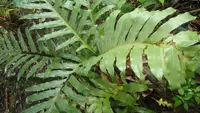
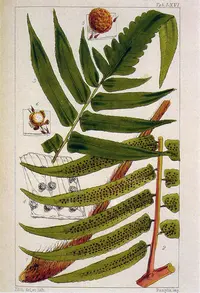
The fronds are finely divided into many small leaflets (bipinnate structure), giving the plant a soft, almost lacy texture while still being relatively robust compared with more delicate fern species.

FAQs about Gymnosphaera podophylla

This species is evergreen in suitable climates, keeping its fronds year-round rather than dropping them seasonally. In colder or very dry conditions, older fronds may brown and shed, but the crown usually remains green and active.

Grow Healthy Plants with Botan Care

Keep your plants happy and healthy with plant identification, disease detection, and easy care guidance.

Botan plant care app — identify plants on mobile

Explore More Plants