Steller's rockbrake Care (Cryptogramma stelleri)

Also known as: fragile rockbrake, slender rockbrake
Steller's rockbrake

About Steller's rockbrake

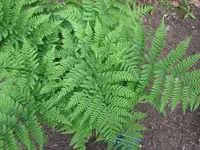
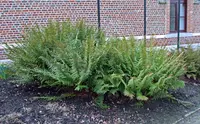
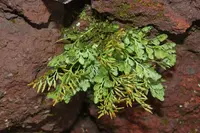
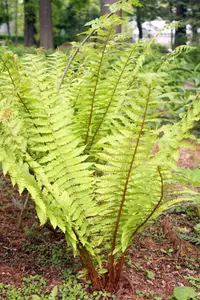
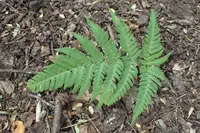
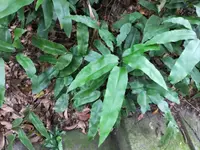
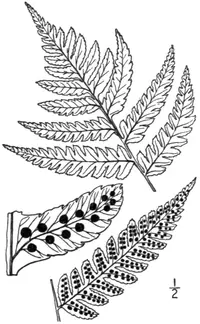
Steller's rockbrake (Cryptogramma stelleri) is a small, clumping fern found in cool, rocky habitats such as shaded cliffs, limestone ledges, and moist ravines. It forms low tufts of finely divided fronds, often with more delicate, lacy sterile fronds and slightly stiffer fertile fronds that carry the spores.

In nature it occurs mainly in northern and cool-temperate regions of North America, often in calcareous rock where drainage is excellent. It can be challenging to care for Steller's rockbrake because it dislikes heat, drying winds, and poorly drained or compacted soil.

This fern generally prefers cool, bright shade, consistent moisture without waterlogging, and gritty, humus-rich substrates that mimic its rocky, well-aerated native sites.

Main Plant Requirements

Care Difficulty

Hard Care

Light Preference

Partial Shade

Water Requirements

Keep Soil Moist

Temperature Preference

Cold Hardy

Hardiness Zone

3–7

Soil Texture

Sandy, Loamy, Rocky

Soil pH

Acidic (5.5–6.5), Slightly acidic (6.5–7.0)

Soil Drainage

Moist but well-drained

Fertilization

Minimal (feed rarely)

Get Personalized Care Plan

Scan your plant to receive care tips personalized for your specific plant

Available on iOS and Android

How to Care for the Steller's rockbrake

This fern prefers cool, bright shade that mimics moist rock ledges and north-facing slopes.

  • Provide 1–3 hours of soft morning sun with bright, dappled or filtered light for the rest of the day; avoid strong midday and afternoon sun.
  • Site Steller's rockbrake in partial to full shade, especially in summer; leaf edges scorch when exposed to more than 3–4 hours of direct sun.
  • In winter, leafless crowns tolerate more exposure, but in spring and summer use nearby rocks, shrubs, or trees to cast consistent light shade.

This species prefers steadily moist, sharply drained substrates similar to its native rocky crevices.

  • Water when the surface and top 2–3 cm of soil or crevice substrate feel barely damp, not saturated; do not allow extended soggy conditions.
  • Ensure excellent drainage with gritty, rocky soil so excess water runs off quickly; standing water leads to rhizome rot and yellowing fronds.
  • During cool spring and fall, moisture loss slows, while in hot, dry spells Cryptogramma stelleri may need more frequent checks to prevent crisping frond tips.

This fern is adapted to cool, temperate climates with cold winters and mild summers.

  • Best active growth occurs around 55–70°F (13–21°C), especially in spring and early summer when soil stays cool and moist.
  • Dormant crowns tolerate down to about -20°F (-29°C) under snow or mulch, but repeated freeze–thaw with exposed soil can damage roots.
  • Heat above 80–85°F (27–29°C) increases stress; provide extra shade and moisture during hot spells, as fronds may brown and die back earlier in summer.

This fern prefers moderate, slightly moist air rather than very dry conditions.

  • Aim for 40–60% humidity to keep fronds hydrated and reduce browning tips.
  • It tolerates short spells of drier air but prolonged humidity below 35% causes crisping and frond drop in Steller's rockbrake.
  • Increase humidity with a nearby pebble tray, grouped plants, or a small room humidifier rather than frequent misting.

This species prefers shallow, gritty, well‑aerated soil that mimics rocky ledges.

  • Use a mix of 40% fine gravel or coarse sand, 40% loam, and 20% leaf mold or compost to create a thin, mineral‑rich substrate.
  • Ensure very sharp drainage; water must pass through within seconds, leaving the mix just slightly moist, not wet.
  • Keep pH slightly acidic to neutral (pH 6.0–7.0) to support root function in Cryptogramma stelleri.
  • Avoid dense peat‑heavy or clayey mixes that retain water, restrict aeration, and promote root and rhizome rot.

This fern can be grown in containers if the setup closely imitates a shallow, rocky habitat.

  • Choose a wide, shallow pot to spread a thin soil layer that dries quickly around the rhizomes.
  • Use a pot material like unglazed terracotta to speed evaporation and prevent lingering moisture at the base.
  • Fill the bottom with a 2–3 cm layer of coarse stone or broken clay to stabilize the pot and enhance drainage away from roots.

This fern is adapted to lean, rocky habitats and usually needs no supplemental feeding in garden or container culture.

Pruning for Cryptogramma stelleri is light and focused on hygiene rather than shaping.

  • In late winter or early spring, remove fully brown, dead, or diseased fronds at the base to reduce fungal issues.
  • Snip storm-damaged or broken fronds whenever noticed to keep the clump tidy and reduce stress.
  • Use clean, sharp scissors or small pruners, disinfected with alcohol, to avoid spreading pathogens.

Transplanting this fern is done infrequently and only when a clump clearly outgrows its space or container.

  • Look for roots circling the pot, water running straight through, or noticeably slow growth as signs it needs more space.
  • Plan transplanting for early spring or early fall, when weather is cool and soil moisture is stable.
  • Aim for every 3–4 years at most, shifting into a wider, shallow container or rocky, well-drained outdoor pocket.
  • Handle the root mass gently, keep original soil around roots, water lightly afterward, and shade from strong sun for 1–2 weeks.

Propagation of Cryptogramma stelleri is possible but more specialized than for many common garden ferns.

  • Division in early spring is the most practical method; separate small clumps with several healthy fronds and intact roots.
  • Replant divisions into gritty, well-drained, slightly moist medium and maintain high humidity with good air movement.
  • Spore propagation needs sterile, consistently moist medium, bright indirect light, and steady temperatures around 60–70°F.

This cold-hardy fern tolerates typical northern winters and usually needs minimal intervention outdoors.

  • Dormant fronds die back naturally after hard frost; leave or remove them according to garden tidiness preference.
  • In exposed sites, add a thin mulch layer of leaf litter or pine needles to stabilize soil moisture around crowns.
  • Container-grown plants in very cold zones can be overwintered in an unheated but frost-free garage or cold frame.

Care Tips

Rocky substrate pockets

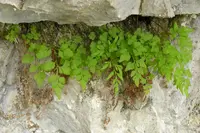
Tuck the root zone into shallow crevices or pockets between rocks filled with gritty, well-drained mix to mimic natural cliff habitats and prevent rhizomes from sitting in stagnant moisture.

Cool root management

In hot climates, shade the pot sides with stones or a cachepot and use light-colored containers to keep the root zone cooler than the air, reducing stress during summer heat.

Winter dormancy handling

Allow fronds to die back naturally in late fall, then keep the medium only slightly moist and protected from freeze–thaw cycles rather than bringing the plant into warm indoor conditions.

Spore-sown insurance

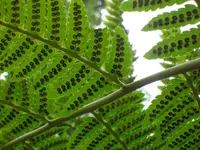
Collect mature spores from the underside of fertile fronds and sow them on sterilized, consistently moist medium under cover to maintain a backup population in case the original clump declines.

Limestone compatibility

If local water is very soft or acidic, add a small amount of crushed limestone grit to the substrate to better match the calcareous sites where growing Steller's rockbrake occurs in nature.

Common Pests and Diseases

Fern aphids

This pest feeds on tender fern fronds and rachises, causing pale, distorted growth and sticky honeydew that can lead to sooty mold on delicate rock-dwelling clumps. Symptoms include clusters of soft-bodied insects on the undersides of new fronds and along midribs.

Solution

Rinse fronds thoroughly with a gentle but firm stream of water, targeting the undersides, and repeat every few days until populations drop. In shaded rock garden or crevice settings, use insecticidal soap or a light horticultural oil spray labeled for ferns, applied in the cool part of the day to avoid frond burn, and remove heavily infested fronds if needed.

Fern scale

This pest appears as small, flattened, shell-like bumps along stipes and lower fronds, where it sucks sap and weakens the slow-growing fern colony. Symptoms include dull, yellowed fronds and poor new growth, especially on established rock outcrop plantings.

Solution

Gently scrape or wipe off individual scales with a cotton swab or soft brush dipped in diluted alcohol, taking care not to damage the thin tissue. For larger infestations, apply a low-impact horticultural oil during mild, dry weather to smother crawlers, and improve plant vigor through consistent moisture and light shade rather than heavy fertilization.

Rhizoctonia crown rot

This disease affects plants in moist, cool rock crevices or nursery propagation, causing blackened crowns, wilted fronds, and collapse of small clumps. Symptoms include brown to black lesions at the crown where fronds emerge, often with sparse, patchy regrowth.

Solution

Remove and discard affected plants and surrounding debris to reduce inoculum, and avoid replanting ferns in the same exact spot if the soil remains poorly drained. Improve drainage with coarse mineral material, avoid overhead watering in cool conditions, and in nursery or propagation settings, use clean pots, fresh medium, and a fungicide labeled for Rhizoctonia if losses continue despite cultural adjustments.

Leaf spot fungi

This disease develops on shaded, moist fronds, producing small brown or dark purple spots that may coalesce and cause premature frond decline in tight rock crevice colonies. Symptoms include spotted older fronds while new fronds appear relatively clean but may become infected over time in persistently damp conditions.

Solution

Cut and discard heavily spotted fronds to reduce spore spread, and avoid wetting foliage when irrigating by directing water to the base or soil pockets. Increase air movement around the plant by thinning dense surrounding vegetation or slightly widening crowded crevices, and if growing Steller's rockbrake in a collection, consider a fern-safe fungicide labeled for leaf spot when cultural changes are not sufficient.

Interesting Facts

Glacial relict distribution

This fern occurs in cool, moist habitats across parts of northeastern and north-central North America and is considered a glacial relict, surviving in pockets of suitable microclimate left behind after the last ice age.

Unusual leaf dimorphism

The plant produces two distinct frond types: sterile fronds that are broader and more leafy, and fertile fronds that are narrower with tightly clustered spore-bearing segments, an adaptation that helps protect and efficiently disperse spores.

Preference for calcareous rock

It typically colonizes shaded crevices of limestone or other calcium-rich rocks, indicating a strong preference for alkaline substrates and stable, cool, humid air layers around rock faces.

Botan icon

Did you know?

In several US states and Canadian provinces, this species is listed as rare, threatened, or endangered due to its strict habitat requirements and the fragmentation of its cool, calcareous cliff and ravine environments.

FAQs about Steller's rockbrake

This fern is deciduous, not evergreen. The finely divided fertile fronds often wither in late season or after stress, while the low, leafy sterile fronds may persist longer but usually die back over winter in colder climates.

Grow Healthy Plants with Botan Care

Keep your plants happy and healthy with plant identification, disease detection, and easy care guidance.

Botan plant care app — identify plants on mobile

Explore More Plants