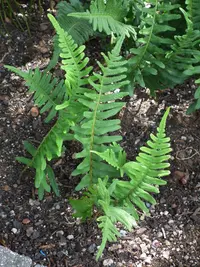
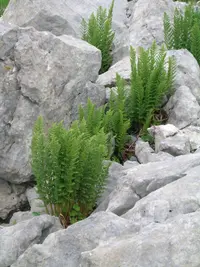
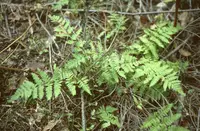
American rockbrake Care (Cryptogramma acrostichoides)

Also known as: American parsley fern
American rockbrake

About American rockbrake

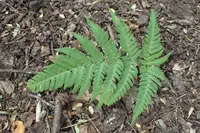
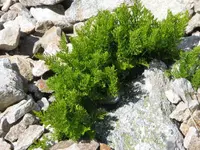
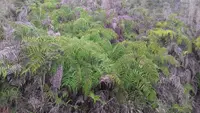
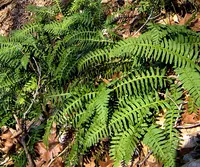
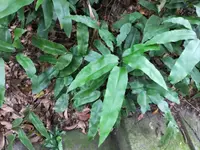
American rockbrake, Cryptogramma acrostichoides, is a small deciduous fern that naturally grows on rocky slopes, cliffs, and talus in western North America. It often forms low, tufted clumps that tuck into cracks and crevices.

The plant has finely divided, ferny fronds that can look almost moss-like from a distance, with fertile fronds held more upright and often drier in appearance. It is adapted to harsh, well-drained sites and seasonal dryness, which can make it more forgiving than many woodland ferns.

Gardeners who care for American rockbrake usually grow it in rock gardens, troughs, or crevice plantings where it receives bright light, cool roots, and gritty, sharply drained soil.

Main Plant Requirements

Care Difficulty

Moderate Care

Light Preference

Partial Sun

Water Requirements

Moderate Water

Temperature Preference

Cold Hardy

Hardiness Zone

5–9

Soil Texture

Sandy, Loamy, Rocky

Soil pH

Acidic (5.5–6.5), Slightly acidic (6.5–7.0)

Soil Drainage

Well-drained

Fertilization

Minimal (feed rarely)

Get Personalized Care Plan

Scan your plant to receive care tips personalized for your specific plant

Available on iOS and Android

How to Care for the American rockbrake

This fern prefers bright, cool conditions that mimic open, rocky mountain slopes.

  • Provide 3–5 hours of gentle morning sun with bright, filtered or open shade the rest of the day, especially in summer.
  • Tolerates light to medium shade, but fronds become sparse and weak if light drops below dappled shade for most of the day.
  • Avoid strong afternoon sun in hot climates; fronds can scorch and crisp in several days of 85°F+ (29°C+) full exposure.

This species prefers slightly dry, fast-draining conditions rather than constantly moist soil.

  • Water only when the top 3–5 cm of soil or rocky substrate is completely dry, then soak thoroughly so water drains away quickly.
  • Reduce watering in cool seasons or during dormancy, allowing soil to dry almost fully; increase slightly during active spring growth of Cryptogramma acrostichoides.
  • Watch for overwatering signs such as black, mushy rhizomes and lingering surface moisture, and underwatering signs like crisping, prematurely brown fronds.

This fern is adapted to cool, rocky habitats and tolerates a wide temperature range.

  • Ideal growing temperatures are around 50–70°F (10–21°C), with cool nights promoting compact, healthy fronds.
  • Mature plants tolerate down to about 10–15°F (-12–-9°C) under snow cover, but repeated freeze–thaw without insulation can damage crowns.
  • In hot weather above 80–85°F (27–29°C), growth slows; provide extra shade and avoid heat-reflecting rock or wall surfaces that raise leaf temperatures.

This fern prefers moderate humidity but usually adapts to typical indoor levels if not kept too warm or drafty.

  • Aim for 40–60% humidity, as very dry heated rooms can cause fronds to crisp at the tips.
  • American rockbrake tolerates brief drier air, but persistent low humidity plus heat leads to browning and premature frond drop.
  • Increase humidity with a nearby pebble tray or grouped plants, rather than misting that can encourage fungal spotting on fronds.

This species prefers sharply drained, gritty soil that mimics rocky slopes and scree habitats.

  • Use a sandy, gritty mix such as 40% coarse sand, 30% fine gravel or pumice, and 30% composted bark or leaf mold for structure and organic matter.
  • Ensure very fast drainage; avoid heavy, clay-based or peat-heavy mixes that stay wet and exclude air around the rhizomes.
  • Keep soil slightly acidic to neutral (pH 6.0–7.0), which suits Cryptogramma acrostichoides and supports nutrient availability without excess lime.
  • Improve aeration by incorporating mineral aggregates like perlite, pumice, or small grit, and avoid compressing the mix when filling the container.

This fern can be grown in containers if the pot and medium are chosen to keep the roots cool and sharply drained.

  • Choose a wide, shallow pot that accommodates its spreading rhizomes and allows the coarse mix to dry evenly between waterings.
  • Select an unglazed clay container to let excess moisture evaporate through the pot walls and reduce the risk of root rot.
  • Elevate the pot on feet or mesh so water drains completely away and the drainage holes never sit directly in a saucer puddle.

This fern is adapted to nutrient-poor, rocky habitats and usually needs no fertilizer when planted in suitable soil.

Cryptogramma acrostichoides needs only light grooming rather than structured pruning.

  • In late winter or early spring, remove dead or fully browned fronds at the base to keep the clump clean.
  • Trim damaged or wind-torn fronds during the growing season with clean, sharp scissors or hand pruners.
  • Avoid heavy cutting into healthy green fronds, which can reduce the plant’s energy and vigor.

This fern is more often transplanted in rock gardens or native beds than kept as a long-term container plant.

  • Transplant in early spring or early fall, when temperatures are mild and moisture is more consistent.
  • Move plants only when clumps are crowded, growth declines, or roots fill small crevices or pots.
  • Lift with a generous soil ball to keep roots intact, minimizing disturbance and post-move stress.
  • Replant into sharply drained, gritty soil, firm gently, and water well, then keep evenly moist while new roots establish.

Cryptogramma acrostichoides is most practically propagated by division, with spore propagation used mainly by specialists.

  • Divide established clumps in early spring, just as new growth appears.
  • Lift the plant carefully, then separate small sections with several fronds and a healthy root mass.
  • Replant divisions into well-drained, gritty soil, watering to settle roots and maintain moderate, steady moisture.
  • For spore work, surface-sow on sterile, moist mix under high humidity and bright, indirect light until gametophytes form.

This fern is naturally cold hardy in much of its native range and usually needs minimal winter care outdoors.

  • Tolerates freezing temperatures when planted in well-drained, rocky or sandy soil that does not stay waterlogged.
  • In very exposed sites, apply a light, dry mulch around the crown, keeping material off the fronds.
  • Container-grown plants in colder zones can be moved to a sheltered, unheated but frost-free spot for winter.

Care Tips

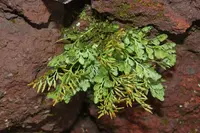
Mimic rocky crevices

Tuck rhizomes into gaps between stones or broken concrete chunks in a gritty mix to imitate its native cliff habitat and improve drainage around the crown.

Cool root management

Site the container or bed where roots stay shaded and cool, such as on the north side of a rock or wall, while allowing the fronds to receive brighter light to reduce heat stress in summer.

Seasonal dormancy handling

Allow fronds to brown and dry naturally in late summer or fall, then gently remove spent foliage and keep the soil barely moist to support the rhizome through dormancy.

Targeted spore sowing

If you want to propagate, collect mature brown spores from fertile fronds onto paper, then sow them on the surface of a sterile, finely sieved mix kept consistently moist and covered to maintain high humidity.

Microhabitat moisture zoning

When caring for American rockbrake in mixed rock gardens, group it in the slightly more sheltered, moisture-retentive pockets rather than the most exposed crests to reduce desiccation of the fine roots.

Common Pests and Diseases

Fern aphids

This pest feeds on tender fronds and spore-bearing tissue, causing distortion, pale growth, and sticky honeydew on the foliage. Symptoms include curling pinnae and a slight shine or sooty mold on surfaces where honeydew accumulates.

Solution

Rinse fronds thoroughly with a firm stream of water, including undersides, and repeat weekly until populations drop. For persistent colonies, apply an insecticidal soap or a ready-to-use neem oil spray labeled for ferns, treating in the early morning and improving airflow and light to reduce reinfestation when growing American rockbrake in containers or rock gardens.

Scale insects

These insects appear as small, fixed bumps on stems and the lower sides of fronds, drawing sap and causing gradual yellowing and weakened growth. This pest often hides along the rachis and at the base of fronds where it is less noticeable.

Solution

Scrape or wipe off individual scales with a cotton swab dipped in isopropyl alcohol, then rinse the plant with water to remove residues. For larger infestations, use a horticultural oil spray during a cool part of the day, ensuring good coverage of stems and frond bases while avoiding application during heat or direct midday sun.

Rust disease

This disease produces orange to brown pustules on the underside of fronds, with yellowing or browning patches on the upper surface. Symptoms include early frond decline and reduced vigor, especially in dense clumps with poor air movement.

Solution

Remove and discard affected fronds promptly to reduce spore spread, and avoid overhead watering that keeps foliage wet for long periods. Improve spacing and air circulation around the clump, and in persistent cases use a fungicide labeled for fern rust, following the product directions carefully.

Leaf spot

This disease causes small dark or tan spots on fronds that may enlarge and merge, leading to irregular dead patches. Symptoms include cosmetic damage at first, but severe infections can reduce photosynthesis and stunt the fern.

Solution

Trim off heavily spotted fronds and dispose of them in the trash, not in compost. Keep foliage dry by watering at the base, increase airflow, and if needed apply a copper-based or other fern-safe fungicide as a preventative on new fronds during humid periods.

Interesting Facts

Seasonally dimorphic fronds

This fern produces two distinctly different frond types on the same plant: finely divided, delicate sterile fronds in the growing season and shorter, tougher fertile fronds that persist and hold spores through winter.

Adapted to dry rock

Unlike many ferns, it is specialized for dry, rocky habitats such as talus slopes and rock outcrops, surviving periods of drought by going partially dormant and curling its fronds to reduce water loss.

Siliceous rock preference

In the wild it is strongly associated with siliceous rocks like granite and quartzite rather than limestone, reflecting a preference for acidic, mineral-poor substrates in its native western North American range.

Botan icon

Did you know?

The common name rockbrake comes from its ability to grow in narrow rock crevices where minimal soil has accumulated, allowing it to colonize harsh sites that exclude many other vascular plants.

FAQs about American rockbrake

Brown tips or fronds usually result from prolonged dryness, hot reflected sun, or fertilizer salts. Check soil moisture, reduce heat exposure, flush excess fertilizer, and remove dead fronds to encourage new, healthy growth.

Grow Healthy Plants with Botan Care

Keep your plants happy and healthy with plant identification, disease detection, and easy care guidance.

Botan plant care app — identify plants on mobile

Explore More Plants