Rhizome Spreading Control
Plant in a wide, shallow container and periodically trim or redirect the creeping rhizomes with a clean knife so the fern fills the pot evenly instead of crowding one edge.

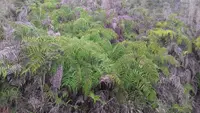
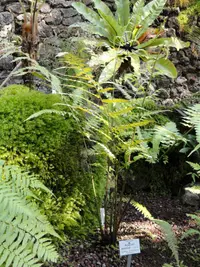
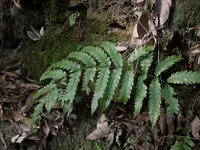
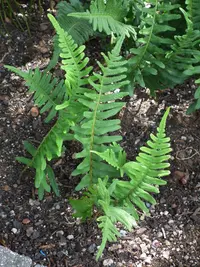
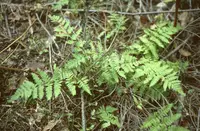
Urajiro (Diplopterygium glaucum) is a tropical fern-like plant known for its finely divided, layered fronds that create a soft, feathery look. It forms low, spreading clumps rather than growing upright like a typical tree fern.
This species is native to humid forests in parts of East and Southeast Asia, where it grows on the forest floor in filtered light. Its need for steady moisture, good drainage, and high humidity makes it moderately challenging for beginners.
Gardeners who want to care for urajiro should be prepared to mimic a shaded, consistently moist woodland environment with loose, organic-rich soil.

Care Difficulty
Hard Care

Light Preference
Partial Shade

Water Requirements
Keep Soil Moist

Temperature Preference
Tropical / Frost Sensitive

Hardiness Zone
11–12

Soil Texture
Loamy, Peaty, Organic-rich

Soil pH
Strongly acidic (4.5–5.5), Acidic (5.5–6.5)

Soil Drainage
Moist but well-drained

Fertilization
Minimal (feed rarely)
Scan your plant to receive care tips personalized for your specific plant
Available on iOS and Android
This fern prefers bright, indirect forest-like light with protection from harsh sun.
This moisture-loving fern needs consistently damp but not waterlogged soil.
This species thrives in mild, consistently warm, frost-free conditions.
This fern needs consistently high humidity to maintain healthy fronds.
Diplopterygium glaucum prefers a loose, moist, organic-rich substrate that never becomes waterlogged.
This species adapts well to container growing when moisture and stability are carefully managed.
Diplopterygium glaucum benefits from light, consistent feeding during its active growing season in humus-rich, moist conditions.
Pruning Diplopterygium glaucum focuses on hygiene and maintaining a neat clump rather than reshaping the plant.
This fern is usually grown in the ground, but container plants and young specimens sometimes require careful repotting or transplanting.
Diplopterygium glaucum is usually propagated by division or spore culture, both requiring stable moisture and warmth.
Diplopterygium glaucum prefers frost-free or very mild winters and needs protection in colder regions.

Plant Health Check
Not sure what's wrong with your plant? Check your plant's health inside the app.
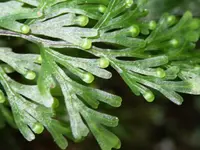
This fern has pinnae with a distinctive whitish to pale glaucous underside, which creates a two-tone effect when fronds move in the wind and helps distinguish it from related species in the field.
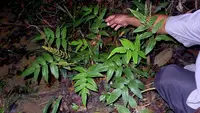
It spreads via long, creeping rhizomes that run just below the soil surface, allowing it to form extensive, dense stands that can dominate understory patches in humid tropical forests.
In the wild it is most often reported from acidic, nutrient-poor substrates, including podzols and leached forest soils, where it can still maintain vigorous growth under high rainfall conditions.
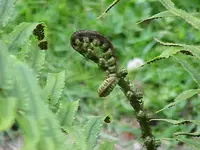
Growth is moderate. New fronds unfurl steadily during warm, humid months, forming a low, spreading clump over several years. In suitable shade and moisture, it gradually fills space rather than racing to full size quickly.
Keep your plants happy and healthy with plant identification, disease detection, and easy care guidance.