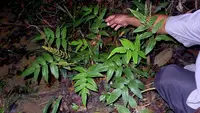
Diplazium maximum Care

Diplazium maximum

About Diplazium maximum

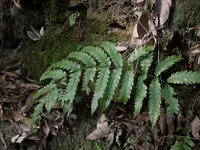
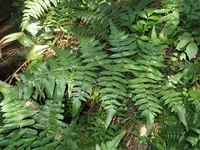
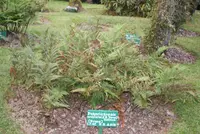
Diplazium maximum is a large, evergreen fern known for its upright clumps of broad, arching fronds. It forms a bold, leafy presence that reads almost sculptural in shaded spaces. Native to moist forests in parts of Asia, it typically grows along streambanks and in humus-rich woodland soils. The plant prefers consistently damp, well-drained substrates and protection from direct, harsh sun. Its need for steady moisture and high humidity makes it more suitable for experienced growers or for carefully managed indoor and shaded garden settings. Understanding how to care for Diplazium maximum helps keep the fronds lush and reduces stress-related leaf browning.

Main Plant Requirements

Care Difficulty

Moderate Care

Light Preference

Partial Shade

Water Requirements

Keep Soil Moist

Temperature Preference

Tropical / Frost Sensitive

Hardiness Zone

10–11

Soil Texture

Loamy, Peaty, Organic-rich

Soil pH

Acidic (5.5–6.5)

Soil Drainage

Moist but well-drained

Fertilization

Light (every 4–6 weeks)

Get Personalized Care Plan

Scan your plant to receive care tips personalized for your specific plant

Available on iOS and Android

How to Care for the Diplazium maximum

This fern prefers bright, indirect light that mimics a shaded forest understory.

  • Provide 2–4 hours of soft morning sun with dappled or filtered light the rest of the day, avoiding harsh midday and afternoon sun that can scorch fronds.
  • Grow Diplazium maximum in partial to deep shade outdoors, such as on the north or east side of buildings, under trees, or beneath shade cloth providing 40–70% shade.
  • In summer, increase shade if fronds fade or crisp at the edges; in winter, allow a bit more indirect light if days are very short.

This species needs evenly moist, never soggy soil that does not fully dry out.

  • Water when the top 2–3 cm of soil feel slightly dry, aiming to keep the root zone consistently damp, especially during active growth in spring and summer.
  • Use loose, humus-rich soil with good drainage so water moves through within a few seconds, reducing the risk of root rot from standing water.
  • Reduce frequency slightly in cooler seasons, watching for limp, curling fronds as a sign of underwatering and blackened, mushy roots or yellowing fronds as a sign of overwatering in Diplazium maximum.

This fern prefers mild, consistently cool to warm conditions without temperature extremes.

  • Aim for 60–80°F (16–27°C) during the growing season, where steady temperatures support continuous frond development and reduce stress.
  • Avoid exposure below about 45°F (7°C), since light frosts can damage fronds and repeated cold events may kill the crown.
  • In hot periods above 85°F (29°C), increase shade and humidity, and avoid hot, drying winds or heat-reflective surfaces that can overheat the plant.

This fern prefers consistently high humidity to maintain lush, healthy fronds.

  • Aim for 60–80% humidity, as Diplazium maximum reacts poorly to long periods below 50%.
  • In dry air, expect browning frond tips, crisp edges, and slowed new frond unfurling.
  • Raise humidity with grouped plants, pebble trays under the pot, or a room humidifier placed nearby.

This species needs a loose, moisture-retentive but well-drained, organic-rich substrate.

  • Use a mix of 40% peat or coco coir, 40% fine compost, and 20% perlite or fine bark to keep the root zone airy yet moist.
  • Ensure the mix drains within a few seconds when watered but still feels slightly damp when squeezed, avoiding waterlogged pockets.
  • Target a slightly acidic pH around 5.5–6.5, which supports nutrient uptake and healthy root growth in Diplazium maximum.
  • Avoid heavy clay, compacted garden soil, or mixes dominated by sand that either suffocate roots or dry out rapidly.

This fern is suitable for container growing when moisture and stability are carefully managed.

  • Select a wide, relatively shallow pot to accommodate its fibrous root system and spreading crown without deep soil that stays cold and wet.
  • Choose a heavier ceramic or clay container outdoors to reduce tipping as the fronds arch outward and catch wind.
  • Raise the pot slightly on feet or spacers so drainage holes remain clear and excess water escapes quickly after irrigation.

This fern responds to light feeding, but heavy fertilization can damage its fine roots.

  • Use a balanced liquid fertilizer around 10-10-10, diluted to 25–50% strength, for Diplazium maximum in active growth.
  • Feed every 4–6 weeks in spring and summer, applying only to moist soil to prevent root burn.
  • Skip or reduce feeding to 1 light application during fall and none in winter dormancy.
  • Organic options like thin compost tea are suitable if the soil is already rich and well-structured.

Pruning focuses on hygiene and maintaining a tidy rosette rather than reshaping this fern.

  • In late winter or early spring, remove dead, yellowing, or diseased fronds at the base with clean, sharp scissors or pruners.
  • Cut back damaged fronds after storms or physical injury to reduce stress and disease risk for Diplazium maximum.
  • Thin out severely crowded or overlapping fronds to improve air flow around the crown and lower disease pressure.
  • Disinfect tools before and after use, especially if any fronds show spotting or fungal lesions.

Repotting or transplanting focuses on giving this fern fresh, consistently moist but free-draining substrate.

  • Look for roots circling the pot, pushing through drainage holes, or noticeably slowed growth as signs it needs a larger container.
  • Plan repotting or garden transplanting in early spring, just before strong new frond growth begins.
  • Move to a pot only 2–5 cm wider, using a loose mix of peat-free compost, fine bark, and perlite to limit waterlogging stress for Diplazium maximum.
  • Handle the root ball gently, keep the crown at the same depth, water thoroughly, then shade from strong sun for 1–2 weeks to aid recovery.

Propagation is usually done by division, which keeps the fern true to type and avoids long spore cycles.

  • Divide established clumps in early spring when new croziers just start to emerge.
  • Lift the plant, then split the rhizome into sections, each with healthy roots and several viable buds or fronds.
  • Replant divisions into moist, humus-rich, well-drained substrate, keeping the crown at soil level for Diplazium maximum.
  • Maintain high humidity, stable warmth, and even moisture until new frond growth confirms successful establishment.

This fern prefers frost-free or mild climates and needs some protection where winters are cold.

  • In regions with light frost, apply a 5–8 cm layer of leaf mold or compost mulch around the root zone, not over the crown.
  • Move container-grown plants indoors or to a cool greenhouse before temperatures drop below 40°F, maintaining high humidity.
  • Reduce watering in winter but never let the root ball fully dry, especially for indoor Diplazium maximum specimens.

Care Tips

Divide Mature Clumps

Every 3–4 years, lift and gently divide congested crowns in early spring, replanting healthy sections with several fronds and firm rhizomes to maintain vigor and prevent center dieback when growing Diplazium maximum.


Use Shallow, Wide Pots

Select a broad, shallow container rather than a deep one so the creeping rhizomes can spread horizontally, which reduces risk of rot and produces a fuller, layered frond canopy.

Leaf Litter Mulch

Apply a thin layer (1–2 cm) of shredded leaf litter or fine bark over the soil surface to mimic forest duff, moderating moisture swings and protecting shallow feeder roots without smothering the crown.

Rinse Foliage Periodically

Once a month, gently rinse fronds with lukewarm water to remove dust and spores that can hinder photosynthesis and to discourage spider mites in drier indoor air.

Rotate For Even Fronds

Turn the pot 90° every 1–2 weeks so new fronds develop evenly around the plant instead of leaning toward the brightest side, which maintains a balanced rosette shape.

Common Pests and Diseases

Scale insects

This pest feeds on frond stalks and undersides of pinnae, causing yellowing, patchy chlorosis, and sticky honeydew on Diplazium maximum in warm, humid shade. Infestations often appear as small brown or tan bumps along the midrib and rachis.

Solution

Isolate the plant, then gently wipe fronds and stalks with a cotton pad soaked in diluted insecticidal soap or horticultural oil, repeating every 7–10 days until no new scale appears. Improve airflow and avoid overfertilizing, which can encourage soft, susceptible growth, as part of broader Diplazium maximum care instructions.

Fern aphids

These insects colonize young croziers and tender frond tips, sucking sap and causing distortion, curling, and sticky residue that can support sooty mold. Symptoms include deformed new fronds and clusters of soft green or black insects along the midrib.

Solution

Rinse fronds thoroughly with a gentle but firm stream of water, especially around emerging fiddleheads, then follow with an application of insecticidal soap to all leaf surfaces. Repeat treatments weekly until the population collapses and remove heavily distorted fronds to reduce hiding places.

Rhizoctonia leaf blight

This disease appears in damp, crowded clumps as irregular brown lesions starting at the frond base and spreading outward, often with a water-soaked margin. Symptoms include rapid collapse of individual fronds while adjacent ones may remain green for some time.

Solution

Remove and discard affected fronds at the base, then increase spacing, airflow, and drainage around the clump to reduce leaf wetness duration. In severe or persistent cases, apply a fern-safe fungicide labeled for Rhizoctonia, targeting the lower frond bases and soil surface, and avoid overhead watering that keeps foliage wet for long periods.

Bacterial leaf spot

This disease causes small, water-soaked, translucent spots on pinnae that enlarge and turn dark brown, sometimes with a yellow halo. Symptoms include scattered lesions that may merge, giving fronds a scorched, tattered appearance in persistently humid, warm conditions.

Solution

Promptly remove and discard affected fronds, disinfecting cutting tools between cuts, and reduce humidity spikes by improving ventilation and watering at the soil level only. Avoid misting the foliage, and allow the surface of the substrate to dry slightly between waterings to limit bacterial spread.

Snails and slugs

These pests are common in shaded, moist fern sites and chew irregular holes along the frond margins, especially on young, tender growth. Symptoms include ragged edges, missing sections of pinnae, and silvery slime trails on or near the plant.

Solution

Hand-pick snails and slugs during the evening or early morning and use physical barriers such as copper tape or rough mineral mulches around container rims. In outdoor plantings, reduce hiding spots by clearing dense debris and, if needed, use iron phosphate bait placed away from direct contact with fronds to protect non-target organisms.

Interesting Facts

Impressive frond architecture

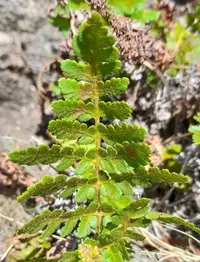
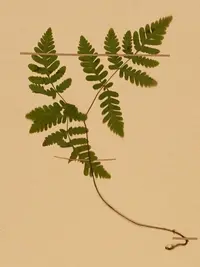
This species produces large, gracefully arching fronds with many finely divided pinnae, giving it a soft but dense, fountain-like crown structure typical of moist Himalayan ravines where it occurs.

Moisture-loving habitat specialist

Diplazium maximum is naturally found along shaded stream banks, wet forest floors, and ravine walls, where constant seepage and high air humidity support its continuous production of new fronds.

Spore pattern diagnostics

Its fertile fronds carry elongated sori (spore clusters) arranged in pairs along the leaf veins, a pattern used by pteridologists to distinguish it from other large Asian Diplazium species.

FAQs about Diplazium maximum

Brown leaf tips or edges usually come from low humidity, irregular watering, or excess fertilizer salts. Improve humidity, keep the root zone evenly moist but not waterlogged, and occasionally flush the potting mix to remove built-up salts.

Grow Healthy Plants with Botan Care

Keep your plants happy and healthy with plant identification, disease detection, and easy care guidance.

Botan plant care app — identify plants on mobile

Explore More Plants