Pacific oakfern Care (Gymnocarpium disjunctum)

Also known as: western oak-fern
Pacific oakfern

About Pacific oakfern

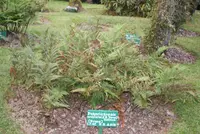
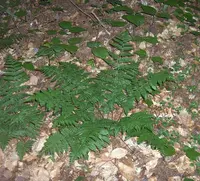
Pacific oakfern, Gymnocarpium disjunctum, is a small deciduous fern native to cool, moist forests of the Pacific Northwest and parts of western North America. It typically carpets the forest floor in loose colonies rather than forming dense clumps.

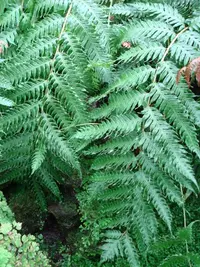
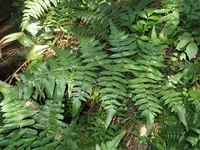
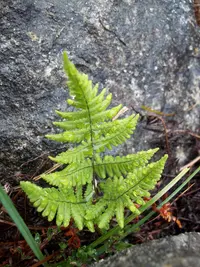
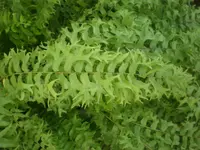
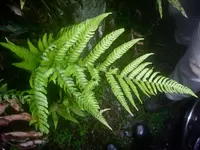
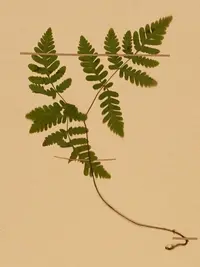
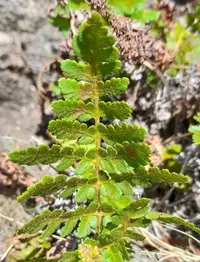
Fronds are delicate, triangular, and light to medium green, with a slightly airy, open look that suits shaded woodland gardens. The plant spreads by slender rhizomes, creating a naturalistic groundcover when conditions are suitable.

Pacific oakfern prefers cool shade, consistently moist but well-drained, humus-rich soil, and protection from hot, drying winds. These traits make it relatively easy to grow for gardeners who understand how to care for Pacific oakfern in a shaded, evenly moist setting.

Main Plant Requirements

Care Difficulty

Moderate Care

Light Preference

Shade

Water Requirements

Keep Soil Moist

Temperature Preference

Cold Hardy

Hardiness Zone

4–8

Soil Texture

Loamy, Silty, Organic-rich

Soil pH

Strongly acidic (4.5–5.5), Acidic (5.5–6.5)

Soil Drainage

Moist but well-drained

Fertilization

Minimal (feed rarely)

Get Personalized Care Plan

Scan your plant to receive care tips personalized for your specific plant

Available on iOS and Android

How to Care for the Pacific oakfern

This woodland fern prefers cool, shaded conditions that mimic a forest floor.

  • Provide bright, dappled shade with 1–2 hours of gentle morning sun at most; avoid direct midday or afternoon sun, which can scorch fronds.
  • Site Pacific oakfern under deciduous trees or shrubs where summer light is filtered through foliage and winter sun is slightly higher but still indirect.
  • If fronds bleach, curl, or develop crisp edges, light is too intense; if growth is sparse and fronds stretch, move to a brighter but still shaded position.

This fern thrives in consistently moist, cool soil that never fully dries out.

  • Water when the top 2–3 cm of soil feel slightly dry, aiming to keep the root zone evenly damp but not saturated.
  • In spring and summer growth, increase watering during warm, dry spells; in fall, reduce slightly, and in winter rely more on natural rainfall unless conditions are unusually dry.
  • Use humus-rich, well-drained soil; yellowing, limp fronds with a sour soil smell suggest overwatering, while crisp, browning frond tips indicate the plant is drying out.

This temperate woodland species prefers cool to mild conditions and tolerates frost when established.

  • Active growth occurs around 50–70°F (10–21°C); it remains comfortable up to about 75°F (24°C) if soil stays moist and the site is shaded.
  • Dormant rhizomes typically survive down to about 0°F (−18°C) under mulch or leaf litter, so light to moderate frost does not harm established plants.
  • In hot spells above 80°F (27°C), protect from direct sun, keep soil cool and moist, and maintain a thick organic mulch layer to buffer root temperatures.

This fern prefers consistently moist, cool air and reacts quickly to very dry conditions.

  • Aim for 50–70% humidity, especially in heated homes or during dry summer periods.
  • Crisping frond tips and slowed unfurling signal humidity stress and often accompany dry soil.
  • Cluster pots, use a pebble tray, or grow Pacific oakfern near a humid bathroom or kitchen to raise local humidity.

This fern needs loose, humus-rich soil that stays evenly moist yet never stagnant.

  • Use a peat-free mix of roughly 50% fine compost, 30% leaf mold or pine bark fines, and 20% perlite for structure and water retention.
  • Ensure rapid drainage so water moves through within a few seconds while the mix still feels spongy, not heavy or sticky.
  • Target slightly acidic to neutral pH around 5.5–7.0, similar to woodland leaf litter where Gymnocarpium disjunctum naturally grows.
  • Avoid dense clay, unamended garden soil, or mixes with large amounts of sand that dry out too fast and collapse around roots.

This species can grow in containers if moisture and root-cooling are carefully managed.

  • Choose a wide, shallow pot that matches its spreading rhizomes so the plant can form a colony rather than a deep taproot clump.
  • Select a thick-walled plastic or glazed ceramic pot, which slows evaporation and keeps the root zone cooler in sun or warm air.
  • Place the container in a cachepot or shaded spot so sun does not heat the pot sides, which can over-dry the mix near the edges.

Gymnocarpium disjunctum is a woodland fern that needs only light feeding in rich, humus-rich soil.

  • Use a balanced, dilute liquid fertilizer (such as 10-10-10) at 1/4–1/2 strength during active growth in spring–summer.
  • Apply every 4–6 weeks if soil is low in organic matter; skip feeding in very fertile beds.
  • Prefer compost or leaf mold as a top-dressing around Pacific oakfern instead of heavy synthetic feeding.
  • Stop fertilizing in fall and winter to avoid soft, weak fronds.

Gymnocarpium disjunctum benefits from light, periodic cleanup rather than structural pruning.

  • Best time for pruning is late winter to early spring, before new croziers (unfurling fronds) emerge.
  • Remove dead, diseased, or damaged fronds at the base with clean, sharp scissors or hand pruners.
  • Thin out crowded, older fronds to improve air flow and reduce fungal issues in damp sites.
  • Avoid cutting healthy new fronds, as this reduces photosynthesis and weakens the clump.

This fern is usually grown in the ground, so focus on careful transplanting rather than frequent repotting.

  • Transplant or divide clumps in early spring or early fall, when temperatures are mild and soil is moist.
  • Look for signs such as crowded crowns, bare centers, or slow growth indicating the plant needs more space.
  • Lift the clump gently, keep roots shaded and moist, and replant at the same depth in humus-rich, well-drained soil.
  • Water thoroughly after transplanting and keep evenly moist for 2–4 weeks to reduce transplant shock.

Gymnocarpium disjunctum is most practically propagated by division of established clumps.

  • Divide in early spring or early fall, when the plant is not under heat or drought stress.
  • Lift a healthy clump and separate sections with several fronds and a firm rhizome piece each.
  • Replant divisions at the same depth in cool, moist, organic-rich soil with light to moderate shade.
  • Keep soil consistently moist and avoid disturbance until new frond growth shows establishment.

This fern is cold hardy in much of its native range and usually needs minimal winter care outdoors.

  • Tolerates typical winter cold in USDA zones where it is hardy; fronds naturally die back and regrow in spring.
  • Apply a 3–5 cm layer of leaf mulch over the root zone in late fall to stabilize soil temperature and moisture.
  • For container plants in colder zones, move pots to a sheltered, unheated but frost-free area to protect roots.

Care Tips

Use leaf litter

Maintain a thin layer of shredded deciduous leaf litter around the rhizomes to mimic its forest habitat, keeping roots cool, conserving moisture, and slowly adding organic matter without heavy fertilization.

Divide clumps carefully

Every 3–4 years, lift and divide crowded rhizome clumps in early spring while fronds are still tight croziers, replanting shallowly to maintain vigor and create genetically identical plants for expanding a colony.

Protect from foot traffic

Install subtle edging stones or low branches around plantings in pathways or near trails, since repeated foot traffic compacts soil and damages the delicate fronds and shallow rhizomes.

Use natural nurse plants

Plant under open-canopy shrubs or small trees that cast light, dappled shade, which helps stabilize moisture and temperature for more reliable success when growing Pacific oakfern.

Monitor frond aging

Inspect older fronds in late summer for early dieback, which often indicates soil drying or root disturbance, and promptly top up organic mulch and check for animal digging around the rhizomes.

Common Pests and Diseases

Fern aphids

This pest feeds on the tender frond tissue and frond stalks, causing pale, distorted new growth and sticky honeydew on the foliage. Symptoms include sooty mold developing on the honeydew in still, shaded conditions.

Solution

Rinse colonies off fronds with a firm stream of water, then inspect undersides of pinnae regularly and repeat as needed. In more persistent cases, spot-treat with insecticidal soap or a light horticultural oil, applied in the evening to fully coated fronds, and reduce excess nitrogen fertilization that encourages soft, aphid-prone growth.

Scale insects

These insects appear as small, dome-shaped brown or gray bumps along rachises and lower frond surfaces, drawing sap and leading to gradual yellowing and early leaf drop. This pest often goes unnoticed until fronds thin or become patchy.

Solution

Physically remove scale with a soft cloth or cotton swab dipped in isopropyl alcohol, focusing on midribs and stipe bases. For heavier infestations, apply a horticultural oil spray to thoroughly coat affected areas and improve air movement around the plant to make conditions less favorable for scale build-up.

Fern rust

This disease produces scattered orange to rusty-brown pustules on the undersides of mature fronds, which can coalesce and cause yellowing or browning. Symptoms include premature dieback of affected fronds when humidity stays high but air movement is low.

Solution

Remove and discard infected fronds promptly to reduce spore spread, cutting them back to the crown with sterilized tools. Improve spacing and airflow, avoid overhead watering, and in repeated outdoor outbreaks in shady beds, rotate plantings and consider a labeled copper-based fungicide used according to local regulations and label instructions.

Leaf spot

This disease causes small water-soaked lesions that enlarge into tan or dark brown spots, often with purplish or darker margins, scattered across the pinnae. Symptoms include thinning fronds and reduced vigor when spots merge under prolonged dampness.

Solution

Prune and dispose of spotted fronds, then water at the soil level instead of over the foliage to keep leaf surfaces dry. Increase spacing and air circulation around clumps; in persistent cases in landscape plantings, use a labeled fern-safe fungicide as part of broader Gymnocarpium disjunctum care that emphasizes good drainage and moderate irrigation.

Interesting Facts

Pacific Northwest specialist

This fern is naturally restricted to cool, moist forests along the Pacific Northwest and parts of inland western North America, where it often forms extensive colonies on shaded, humus-rich slopes and streambanks.

Oak leaf mimicry

Its triangular fronds resemble small oak leaves, an adaptation that increases surface area for photosynthesis while remaining delicate enough to thrive under deep forest shade.

Cold-tolerant woodland fern

Unlike many tropical ferns, this species is adapted to cold temperate climates and survives winter as a dormant rhizome underground, resprouting new fronds each spring when soil temperatures rise.

Botan icon

Did you know?

Genetic and morphological studies show that this species is distinct from, yet closely related to, Eurasian oakferns, and its disjunct distribution pattern is one reason it was given the species name disjunctum, referring to its separated geographic range.

FAQs about Pacific oakfern

This species spreads slowly by short creeping rhizomes and by spores, forming loose colonies rather than dense mats. It usually stays well behaved in gardens and is not considered a troublesome spreader in suitable woodland conditions.

Grow Healthy Plants with Botan Care

Keep your plants happy and healthy with plant identification, disease detection, and easy care guidance.

Botan plant care app — identify plants on mobile

Explore More Plants