Dryopteris formosana Care

Dryopteris formosana

About Dryopteris formosana

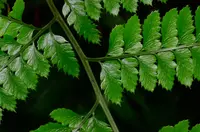
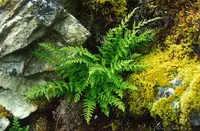
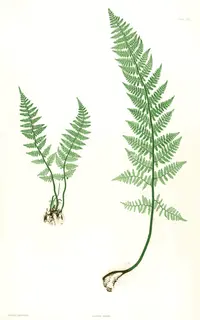
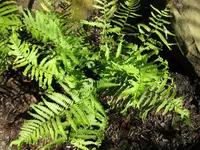
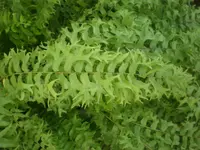
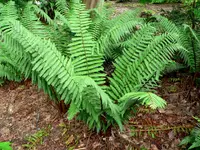
Dryopteris formosana is an evergreen fern known for its graceful, arching fronds and dense, upright clump-forming habit. It offers a refined, structured look in shaded plantings. Native to forested areas in East Asia, it naturally grows on moist, humus-rich slopes and woodland floors, often under tree cover. This background helps explain its preference for cool, shaded, and consistently damp conditions.

The plant is generally moderate in difficulty, as it tolerates cool temperatures and some neglect once established but resents drought and harsh sun. Gardeners who learn how to care for Dryopteris formosana usually find it long-lived and reliable in suitable shade gardens.

Main Plant Requirements

Care Difficulty

Moderate Care

Light Preference

Partial Shade

Water Requirements

Keep Soil Moist

Temperature Preference

Cool Climate

Hardiness Zone

7–9

Soil Texture

Loamy, Peaty, Organic-rich

Soil pH

Acidic (5.5–6.5), Slightly acidic (6.5–7.0)

Soil Drainage

Moist but well-drained

Fertilization

Minimal (feed rarely)

Get Personalized Care Plan

Scan your plant to receive care tips personalized for your specific plant

Available on iOS and Android

How to Care for the Dryopteris formosana

This woodland fern prefers low to moderate light similar to a shaded forest edge.

  • Provide bright dappled shade or 1–3 hours of gentle morning sun, avoiding harsh midday and afternoon sun that can scorch fronds.
  • Site Dryopteris formosana under deciduous shrubs or trees where summer foliage filters light and winter sun is softer.
  • If fronds become pale or scorched, reduce light; if growth is sparse and fronds elongate, move to brighter but still filtered light.

This fern prefers consistently moist, never waterlogged soil.

  • Aim for soil that feels evenly moist; the top 2–3 cm should begin to feel slightly dry before the next thorough watering.
  • Improve drainage with organic matter so water moves through but does not pool around the roots, which reduces the risk of rot and foul smell from overwatering.
  • In hot, dry periods, increase watering frequency; crisping frond tips signal underwatering, while yellowing, limp fronds often indicate excess moisture.

This species is a cool- to mild-climate fern with moderate tolerance to both heat and cold.

  • Optimal growth occurs around 55–75°F (13–24°C), with steady moisture and shelter from drying winds.
  • The plant generally tolerates brief drops to about 20°F (-7°C) once established, but young plants benefit from mulch to buffer cold.
  • In hot summers above 85°F (29°C), provide extra shade and moisture; prolonged extreme heat or dry, hot winds can damage fronds and slow new growth.

This fern prefers consistently moist air and struggles in dry indoor conditions.

  • Aim for 60–80% humidity, using a bathroom or shaded outdoor spot in mild climates when possible.
  • In dry air, fronds brown at tips and edges, curl, and feel papery even when soil is moist.
  • Raise humidity with grouped plants, a pebble tray under the pot, or a nearby cool-mist humidifier, not by misting fronds.

Dryopteris formosana thrives in loose, organic-rich, evenly moist soil that never becomes waterlogged.

  • Use a mix of roughly 50% peat- or coco-based potting soil, 30–40% composted bark, and 10–20% perlite for structure and drainage.
  • Aim for slightly acidic to neutral pH around 6.0–7.0, similar to woodland leaf litter conditions.
  • Ensure soil holds moisture yet drains freely; water should pass through within seconds rather than pooling on the surface.
  • Avoid heavy clay, compacted mixes, or pure compost that stay saturated and exclude air from the roots.

This species adapts well to container growing when moisture and stability are managed carefully.

  • Choose a pot wider than it is deep to accommodate the shallow, spreading rhizomes and allow an even frond crown.
  • Select a heavy ceramic or clay container outdoors to reduce tipping as fronds lengthen and catch wind.
  • Raise the pot slightly on feet or bricks so drainage holes remain clear and excess water can escape quickly after rain or watering.

This fern benefits from light, consistent nutrition rather than heavy feeding.

  • Use a balanced, diluted liquid fertilizer (around 10-10-10 at 1/4–1/2 strength) for Dryopteris formosana in active growth.
  • Feed every 4–6 weeks in spring and summer, always on moist soil to avoid root burn.
  • Skip synthetic fertilizer in fall and winter; rely on leaf mold or compost as a thin top-dressing.
  • Avoid high-salt or fast-acting products, which can scorch fine fibrous roots.

Pruning focuses on removing old fronds to keep the fern clean and vigorous.

  • Cut dead, yellowing, or damaged fronds of Dryopteris formosana at the base using clean, sharp scissors or hand pruners.
  • Perform main clean-up in late winter or very early spring before new croziers unfurl.
  • Remove crowded or crossing fronds to improve air flow and reduce fungal issues in humid sites.
  • Avoid cutting healthy green fronds, as this reduces photosynthesis and can slow growth.

This fern prefers stable conditions and only occasional disturbance of its roots.

  • Repot or transplant Dryopteris formosana every 3–4 years, or when roots circle the pot or growth becomes stunted.
  • Plan moves for early spring or early fall when temperatures are mild and soil is evenly moist.
  • Lift with a generous root ball, disturb roots as little as possible, and replant at the same depth.
  • Water thoroughly after planting, then keep evenly moist and shaded for 2–3 weeks to limit transplant shock.

Division is the most practical way to increase plants for home gardens.

  • Divide established Dryopteris formosana clumps in early spring as new fronds begin to emerge.
  • Lift the root mass carefully and split it into 2–4 sections, each with healthy rhizome and several buds.
  • Replant divisions immediately in humus-rich, moist, shaded soil or containers with similar mix.
  • Keep soil consistently moist and provide high humidity and shade until new fronds expand fully.

This fern is moderately cold hardy but benefits from simple winter preparation in cooler regions.

  • In zones near its hardiness limit, apply a 5–8 cm layer of leaf mulch around the crown of Dryopteris formosana.
  • Allow fronds to die back naturally; they can insulate the crown over winter in colder gardens.
  • Move container-grown plants into a sheltered, frost-free but cool spot with indirect light.

Care Tips

Staggered Division

Divide established clumps in early spring or early fall every 3–5 years, but only split a portion of the plant at a time so the original crown can recover and maintain full, layered fronds.

Frond Damage Control

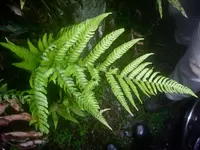
If fronds are shredded by wind or heavy rain, cut only the most damaged fronds at the base and leave any partly green fronds so the plant can keep photosynthesizing while new growth develops.

Mulch Ring Management

Maintain a 5–8 cm ring of fine, composted bark or leaf mold around the root zone, but keep mulch pulled back 3–5 cm from the crown to prevent rot and allow new croziers to emerge freely.

Gentle Site Cooling

In hotter regions, place the fern on the north or east side of larger shrubs, fences, or rocks to create localized shade and cooler, stable conditions that reduce frond scorch and stress when growing Dryopteris formosana.

Slug And Snail Barriers

In damp, shaded sites, protect young fronds with physical barriers such as copper tape around pots or sharp grit around the planting area instead of relying only on pellets, which can harm non-target wildlife.

Common Pests and Diseases

Scale insects

This pest feeds on fern fronds and rachises, appearing as small brown or tan bumps that cause yellowing and weakening of the foliage. Symptoms include sticky honeydew and sometimes sooty mold on the fronds.

Solution

Remove heavily infested fronds and gently scrape or wipe scale from remaining tissue with a cotton pad dipped in alcohol, taking care not to damage the thin leaf surface. Improve air circulation, avoid excess nitrogen fertilizer, and use repeated applications of a light horticultural oil or insecticidal soap labeled for ferns, applied thoroughly to both sides of the fronds.

Fern aphids

These insects cluster on young fronds and undersides of leaves, sucking sap and causing distortion, stunting, and a general decline in vigor. Symptoms include sticky honeydew and occasional curling or puckering of new growth.

Solution

Rinse infested plants with a firm stream of water to dislodge aphids, paying attention to the undersides of fronds and new unfurling fronds. If needed, apply insecticidal soap or a low-impact systemic product safe for ferns, repeating every 7–10 days until populations are reduced, and avoid high nitrogen fertilization that encourages soft, aphid-prone growth when growing Dryopteris formosana.

Fern rust

This disease causes orange, yellow, or brown pustules on the underside of fronds, sometimes leading to spotting and premature browning. Symptoms include reduced plant vigor and a gradual thinning of the clump if infections are repeated.

Solution

Remove and dispose of affected fronds to reduce spore spread, and avoid overhead watering so foliage dries quickly. Increase spacing and airflow around plants, water at the base, and if the problem persists, use a fungicide labeled for rust on ornamental ferns, following label directions carefully.

Rhizoctonia blight

This disease leads to brown, sunken lesions at the base of fronds and along stolons or crowns, sometimes causing sudden collapse of individual fronds in dense, moist plantings. Symptoms include patchy thinning of the clump with rotted tissue at soil level.

Solution

Cut out and discard affected fronds and any visibly rotted crown tissue, then thin crowded clumps to improve air and light penetration at soil level. Reduce surface wetness by watering early in the day, improving drainage, and, if needed, apply a fungicide labeled for Rhizoctonia on ornamentals, focusing on the crown and soil surface.

Slugs and snails

This pest feeds on young fronds and fiddleheads, leaving irregular holes, shredded edges, and slime trails on and around the plant. Symptoms include ragged, chewed new growth, especially after wet or humid nights.

Solution

Hand-pick slugs and snails in the evening or early morning and remove hiding spots such as dense debris, boards, or pots resting directly on soil. Use barriers such as copper tape around containers, or apply iron phosphate-based baits around but not on the crown, reapplying as needed in moist, shaded fern beds.

Interesting Facts

Evergreen in mild winters

This fern often stays evergreen in mild, frost-free climates, holding its glossy fronds through winter rather than fully dying back like many other temperate Dryopteris species.

Naturally limestone-tolerant

In its native range it is frequently found on limestone or other calcareous rocks, showing an unusual tolerance for higher pH soils compared with many woodland ferns that prefer more acidic substrates.

Compact clumping habit

It forms neat, upright clumps rather than running or spreading aggressively, which reflects its adaptation to crevices and confined pockets of humus-rich soil on shaded rocky slopes.

FAQs about Dryopteris formosana

This fern is semi-evergreen to evergreen in mild climates, often holding fronds through winter if temperatures stay above freezing. In colder regions fronds may die back, but the rootstock usually survives and re-sprouts in spring.

Grow Healthy Plants with Botan Care

Keep your plants happy and healthy with plant identification, disease detection, and easy care guidance.

Botan plant care app — identify plants on mobile

Explore More Plants