

Rock-Compatible Placement
Tuck the plant into crevices between stable rocks or in a rock garden pocket so the roots stay cool and anchored, closely replicating its natural cliff and scree habitat when growing Rocky Mountain woodsia.

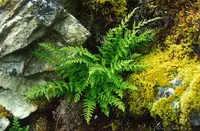
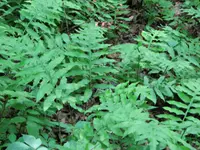
Rocky Mountain woodsia (Woodsia scopulina) is a small, clumping fern native to rocky slopes and cliffs in western North America. It often grows in crevices where roots can anchor tightly. Fronds are finely divided, forming tidy, upright to arching tufts that stay relatively compact, which suits rock gardens or naturalistic plantings. The foliage has a delicate look but the plant is adapted to harsh, exposed sites. This fern prefers cool conditions, good drainage, and consistent but not excessive moisture. Its toughness and drought tolerance can make it easier to manage, although learning how to care for Rocky Mountain woodsia involves mimicking its naturally rocky, well-drained habitat.

Care Difficulty
Moderate Care

Light Preference
Partial Shade

Water Requirements
Moderate Water

Temperature Preference
Cold Hardy

Hardiness Zone
3–8

Soil Texture
Sandy, Loamy, Rocky

Soil pH
Acidic (5.5–6.5), Slightly acidic (6.5–7.0)

Soil Drainage
Well-drained

Fertilization
Minimal (feed rarely)
Scan your plant to receive care tips personalized for your specific plant
Available on iOS and Android
This small cliff-dwelling fern prefers cool, bright conditions with protection from harsh midday sun.
This fern prefers slightly moist, fast-draining rocky soil that never stays waterlogged.
This species is adapted to cool, rocky habitats with significant seasonal temperature swings.
This fern tolerates relatively dry air but grows best with moderately humid conditions.
Woodsia scopulina prefers sharply drained, rocky substrates that do not stay wet around the roots.
This species can be grown in containers if the pot replicates a shallow, rocky crevice environment.
This fern is adapted to lean, rocky soils, so fertilizer needs are modest for Rocky Mountain woodsia.
Pruning Woodsia scopulina focuses on hygiene rather than reshaping the plant.
This fern is usually grown in rock gardens or crevices, so focus on careful transplanting rather than frequent repotting.
Woodsia scopulina is most often propagated by careful division of established clumps.
This species is naturally cold hardy across much of its native range and generally needs minimal winter care.

Plant Health Check
Not sure what's wrong with your plant? Check your plant's health inside the app.
This fern is naturally restricted to rocky slopes, ledges, and cliff faces in the Rocky Mountains and nearby ranges, often growing in rock crevices where soil is extremely shallow.
The fronds and stipe (the fern’s leaf stalk) bear fine pale scales that help reduce water loss and protect tissues from intense alpine sun and wind exposure.
In much of its range, this species is most frequently found on calcareous substrates such as limestone or dolomite, which provide the alkaline, mineral-rich microhabitats it favors.

This fern is considered a classic rock-garden and crevice-plant subject in specialized collections because its compact clumps and cliff-dwelling habit adapt well to narrow, stone-filled planting pockets when gardeners aim to grow Woodsia scopulina under controlled conditions.
Growth is generally slow to moderate. New fronds emerge each spring, and clumps expand by only a few centimeters per year. It may take several seasons to form a noticeable, dense mound in the garden.
Keep your plants happy and healthy with plant identification, disease detection, and easy care guidance.

alpine woodfern
Dryopteris wallichiana
Scented Fern
Anemia caffrorum
Fan-Leaved Fern
Actiniopteris radiata
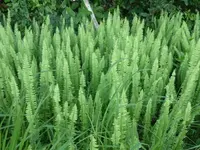
Annual Sword fern
Nephrolepis undulata var. aureoglandulosa
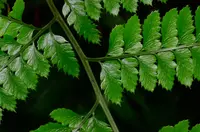
Arachniodes rhomboidea
Arachniodes rhomboidea
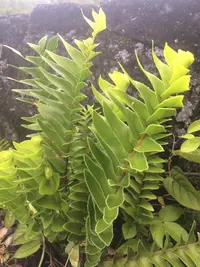
Nephrolepis abrupta
Nephrolepis abrupta
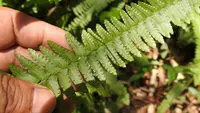
streamside swordfern
Nephrolepis rivularis
netted chainfern
Woodwardia areolata