Mulch The Crown
Apply a thin, airy mulch layer of fine pine bark or shredded leaves around but not on top of the crown to keep the root zone evenly cool and moist while preventing rot at the growing point.

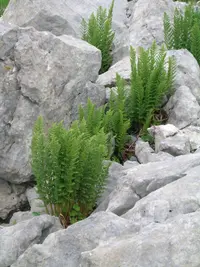
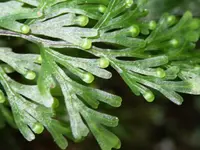
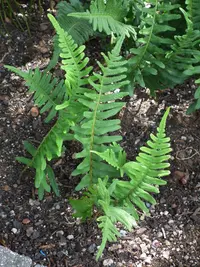
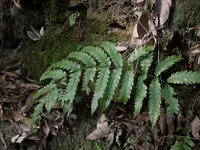
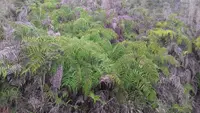
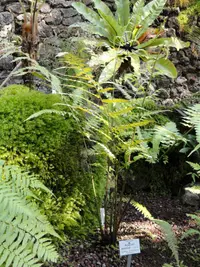
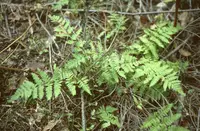
Rigid buckler-fern (Dryopteris mindshelkensis) is a clump-forming deciduous fern valued for its neat, symmetrical rosettes of finely divided fronds. It maintains a compact, upright habit that suits shaded borders, woodland-style plantings, and naturalized areas.
This species occurs in cool, temperate regions, typically on moist, humus-rich forest floors and rocky slopes. It prefers consistent moisture, shelter from harsh sun, and well-drained, organic soil.
Gardeners generally find it moderate in difficulty, as it resents drying out and strong heat but is resilient once established. Understanding how to care for Rigid Buckler-fern mainly involves providing shade, moisture, and stable conditions, rather than frequent intervention.

Care Difficulty
Moderate Care

Light Preference
Partial Shade

Water Requirements
Keep Soil Moist

Temperature Preference
Cool Climate

Hardiness Zone
Unknown

Soil Texture
Loamy, Peaty, Organic-rich

Soil pH
Acidic (5.5–6.5)

Soil Drainage
Moist but well-drained

Fertilization
Minimal (feed rarely)
Scan your plant to receive care tips personalized for your specific plant
Available on iOS and Android
This fern prefers cool, filtered light that mimics a woodland understory.
Dryopteris mindshelkensis requires evenly moist, never waterlogged soil to maintain healthy fronds.
This hardy fern tolerates cool conditions but grows best in moderate temperatures.
This fern prefers consistently moist, humid air to maintain healthy fronds.
This fern grows best in a loose, humus-rich mix that stays evenly moist yet drains freely.
This species can be grown successfully in containers outdoors in shaded, cool positions.
Dryopteris mindshelkensis is a woodland fern that benefits from modest feeding in containers or nutrient-poor soils.
Pruning Dryopteris mindshelkensis focuses on hygiene and maintaining a tidy clump, not reshaping the plant.
Moving Dryopteris mindshelkensis is done infrequently and mainly when clumps outgrow their space or containers.
Multiplying Dryopteris mindshelkensis is most practical by division rather than by spores for home gardeners.
This fern is generally cold hardy in temperate climates and needs only light winter attention in most gardens.

Plant Health Check
Not sure what's wrong with your plant? Check your plant's health inside the app.
This species is documented from a very limited geographic area and appears to be tied to specific cool, shaded woodland microhabitats, which makes its long-term monitoring important for conservation work.
It is distinguished from closely related buckler-ferns by a particular combination of pinna shape, scale pattern, and sori placement, which taxonomists use to separate it from similar Dryopteris species in the field and herbarium.
The species has drawn interest among pteridologists because its characters sit between several better-known Dryopteris groups, making it useful when studying evolutionary relationships within the genus.
This species performs best outdoors in cool, shaded, consistently moist locations with humus-rich soil. It can be kept indoors short term, but Rigid Buckler-fern indoor care is challenging due to low humidity, warm air, and limited airflow.
Keep your plants happy and healthy with plant identification, disease detection, and easy care guidance.