Dryopteris varia Care

Dryopteris varia

About Dryopteris varia

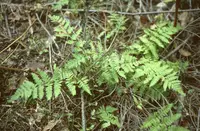
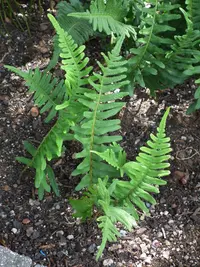
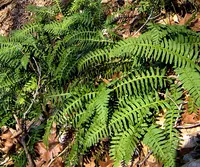
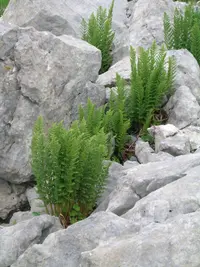
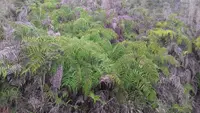
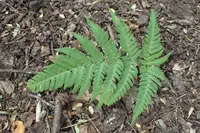
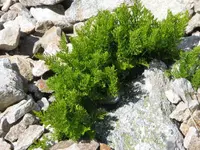
Dryopteris varia is a terrestrial fern valued for its finely divided, arching fronds and dense, clumping growth habit. It offers a soft, layered texture that suits shaded garden areas and naturalistic plantings.

This species typically occurs in forested or rocky habitats in parts of Asia, where it grows under trees or on moist slopes. It usually prefers cool, shaded conditions with consistent moisture and well-drained, humus-rich soil.

Its moderate growth rate and preference for stable moisture make it relatively straightforward for those who understand how to care for Dryopteris varia, but less suitable for very dry or exposed sites.

Main Plant Requirements

Care Difficulty

Moderate Care

Light Preference

Partial Shade

Water Requirements

Keep Soil Moist

Temperature Preference

Cool Climate

Hardiness Zone

6–9

Soil Texture

Loamy, Peaty, Organic-rich

Soil pH

Acidic (5.5–6.5), Slightly acidic (6.5–7.0)

Soil Drainage

Moist but well-drained

Fertilization

Minimal (feed rarely)

Get Personalized Care Plan

Scan your plant to receive care tips personalized for your specific plant

Available on iOS and Android

How to Care for the Dryopteris varia

This woodland fern prefers cool, shaded sites with only brief gentle sun.

  • Provide bright dappled shade or full shade with at most 1–2 hours of soft morning sun; avoid direct midday or afternoon sun to prevent frond scorch.
  • Site Dryopteris varia under trees, beside north- or east-facing walls, or near shrubs where light is filtered through foliage.
  • In summer, increase shade if fronds pale, curl, or show crisp edges; in low winter light, ensure at least open shade rather than deep, sunless corners.

This fern prefers consistently moist, never stagnant, soil.

  • Water when the top 2–3 cm of soil feels slightly dry but lower soil still feels cool and damp, aiming for evenly moist conditions.
  • In spring and summer, check moisture more often during warm, windy spells; in cooler or rainy periods, extend intervals to avoid waterlogging and root rot.
  • Slow, drooping, or crispy fronds suggest underwatering, while yellowing, limp, or blackened bases indicate saturated soil and poor drainage that Dryopteris varia will not tolerate.

This species is a cool- to mild-climate fern with good cold tolerance.

  • Optimal active growth occurs around 55–75°F (13–24°C), especially when combined with shaded, humid conditions and moist soil.
  • Mature plants generally tolerate drops to about 20–25°F (-6 to -4°C); fronds may die back, but crowns often resprout in spring if soil is not waterlogged.
  • Prolonged heat above 85°F (29°C) can stress plants; increase shade and soil moisture, and avoid hot, reflective spots that bake the root zone.

This fern prefers steadily moist, moderately humid air to keep fronds lush and resilient.

  • Aim for 50–70% humidity, as Dryopteris varia often shows crinkling or browning tips when air is too dry.
  • In rooms under 40% humidity, group plants or place the pot on a pebble tray with water below the pot base.
  • If fronds crisp at the edges despite adequate watering, increase ambient humidity rather than watering more often.

Provide a loose, humus-rich soil that holds moisture yet drains freely around the roots.

  • Use a mix of roughly 50% peat or coco coir, 30–40% compost, and 10–20% perlite or fine bark for moisture retention with air spaces.
  • Soil should be consistently damp but never waterlogged; excess water must drain within a few minutes after watering.
  • Target slightly acidic to neutral pH, roughly 5.5–7.0, which suits most ferns including Dryopteris varia.
  • Avoid heavy clay, dense potting mixes, or soils with large amounts of sand that either suffocate roots or dry out too quickly.

This species adapts well to container growing when root space and drainage are managed carefully.

  • Choose a pot wide enough to allow the crown to spread outward, as fronds emerge from a central clump rather than deep roots.
  • Select a slightly heavier material, such as ceramic or clay, to keep the container stable as the frond mass increases.
  • Elevate the pot on feet or bricks so drainage holes stay clear and runoff moves away quickly, preventing a soggy root zone.

This woodland fern needs only light feeding in containers or poor soil, as Dryopteris varia naturally grows in humus-rich sites.

  • Use a balanced, dilute liquid fertilizer (around 10-10-10) at 1/4–1/2 strength in spring and early summer.
  • Feed every 4–6 weeks during active growth if soil is not naturally rich in organic matter.
  • Avoid fertilizing in late fall and winter when growth slows or stops.
  • Prioritize leaf mold or compost as a top-dressing to mimic natural forest soil conditions.

Pruning mainly keeps Dryopteris varia tidy and healthy rather than reshaping it.

  • Best time is late winter to early spring, just before new fronds unfurl.
  • Cut dead, diseased, or badly damaged fronds at the base using clean, sharp scissors or pruners.
  • Remove crowded or overlapping fronds only if they trap moisture and encourage rot.
  • Avoid heavy cutting into the crown, which can reduce vigor and new frond production.

This fern is usually grown in the ground, so focus on careful transplanting rather than frequent repotting.

  • Transplant in early spring or early fall, when temperatures are mild and soil stays evenly moist.
  • Move plants when growth slows, clumps become congested, or roots circle a container.
  • Lift with a wide root ball, keep soil around the roots intact, and replant at the same depth.
  • Water thoroughly after transplanting, then keep the soil consistently moist and shaded to limit transplant shock.

Propagation of Dryopteris varia is most practical by division of mature clumps.

  • Divide established plants in early spring as new croziers (coiled fronds) start to show.
  • Lift the clump carefully and split it into sections, each with several healthy buds and roots.
  • Replant divisions immediately into moist, humus-rich, well-drained soil in partial to full shade.
  • Keep soil evenly moist and sheltered from strong sun and wind until new growth is stable.

This fern is generally cold hardy in temperate gardens and needs only modest winter care.

  • Tolerates light to moderate frost once established, especially in shaded, sheltered positions.
  • Apply a 5–8 cm layer of leaf mold or bark mulch around the crown in late fall to buffer freeze–thaw cycles.
  • Leave spent fronds in colder areas until late winter to provide extra insulation, then remove them before spring growth.
  • Move container-grown plants into a frost-free but cool, bright spot if sustained hard freezes are expected.

Care Tips

Divide Mature Clumps

Every 3–4 years, lift and divide overcrowded crowns in early spring, replanting firm, healthy divisions at the same depth to maintain vigor and prevent the center of the clump from thinning out.

Mulch For Coolness

Apply a 3–5 cm layer of fine, leaf-based mulch around but not against the crowns to keep the root zone cool, reduce weed competition, and mimic the natural forest floor.

Edge Against Encroachment

Use shallow edging stones or rhizome barriers around beds to prevent the fern from creeping into nearby plantings while still allowing enough space for healthy expansion.

Monitor Frond Aging

Mark or note the age of fronds each season and remove only the oldest, yellowing fronds at the base to reduce disease risk while preserving maximum photosynthetic area for the plant.

Site For Airflow

When growing Dryopteris varia under shrubs or trees, leave 10–15 cm between the fern crowns and woody stems to improve air circulation and lower the risk of fungal issues on the fronds.

Common Pests and Diseases

Fern aphids

This pest feeds on young fronds and rachises, causing puckered, curling, or distorted new growth and sticky honeydew on the foliage. Symptoms include slowed frond expansion and sooty-looking deposits where fungi grow on the honeydew.

Solution

Rinse colonies from fronds with a firm stream of water, then repeat every few days until numbers drop. For persistent infestations, spot-treat undersides of fronds with insecticidal soap or a light horticultural oil, applied in the early morning and kept off very tender unfurling fronds.

Fern scale

This pest appears as tiny, flat, tan or brown bumps along the midrib and lower surfaces of fronds, often leading to yellowing, premature frond drop, and general decline. This pest is often overlooked because the insects are immobile and resemble plant tissue.

Solution

Prune and discard heavily infested fronds, then gently scrub remaining scale with a cotton swab dipped in isopropyl alcohol. Follow with 2–3 rounds of light horticultural oil spray at 7–10 day intervals, ensuring good coverage of the midribs and undersides without saturating the crown.

Rhizoctonia crown blight

This disease causes brown, sunken lesions at the base of fronds and on the crown, leading to wilted, collapsing fronds and thinning clumps. Symptoms include a dry, tan to brown rot at the crown rather than mushy roots, often under warm, stagnant, and overly moist conditions.

Solution

Remove and discard all affected fronds and visibly rotted crown tissue, then improve drainage, reduce overhead watering, and increase spacing for better airflow. In beds with a history of the problem, avoid heavy mulching against the crown and consider a labeled fungicide drench only if cultural adjustments do not arrest the spread.

Pythium damping-off (sporelings)

This disease affects spores and very young fernlings, causing water-soaked stems that collapse at the soil line and mats of tiny plants that suddenly wilt and die. Symptoms include a cottony or slimy appearance at the surface of overly wet propagation media.

Solution

Discard severely affected trays, then switch to a sterile, well-drained mix and water from below or with a fine mist that does not saturate the surface. During growing Dryopteris varia from spores, keep relative humidity high but the medium only lightly moist, and consider a preventive fungicide labeled for Pythium if previous batches have failed.

Slugs and snails

These pests chew irregular holes in young fronds and can remove entire sections of soft tissue overnight, leaving slime trails on or near the plant. Damage is often worst on shaded, moist sites and fresh spring growth.

Solution

Hand-pick slugs and snails in the evening, reduce dense groundcover and debris around the fern, and use barriers such as copper tape or rough grit around containers or crowns. In high-pressure areas, place iron phosphate slug bait away from children and pets and refresh it regularly during wet spells to support long-term Dryopteris varia care.

Interesting Facts

East Asian woodland native

This fern is naturally distributed in shaded forests of China, Taiwan, Japan, and nearby regions, where it grows on moist slopes and rocky banks rather than in deep swampy soils.

Distinctive frond texture

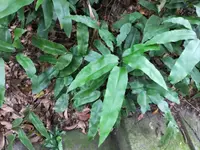
Its leathery, evergreen fronds have a slightly glossy surface and firm texture, which helps reduce water loss and withstand wind and light exposure on forest edges and rocky sites.

Rock and wall colonizer

In parts of its range, this species frequently anchors itself in crevices of rocks and old walls, using its fibrous rhizomes to grip mineral substrates with very little organic soil.

FAQs about Dryopteris varia

Brown fronds usually result from low humidity, chronic underwatering, or accumulated fertilizer salts at the root zone. Check soil moisture, flush the pot occasionally, trim dead fronds, and increase local humidity with pebble trays or grouping plants.

Grow Healthy Plants with Botan Care

Keep your plants happy and healthy with plant identification, disease detection, and easy care guidance.

Botan plant care app — identify plants on mobile

Explore More Plants