Rocky root shelter
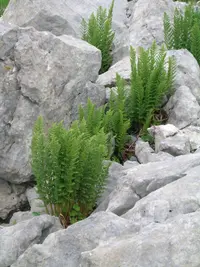
Plant in crevices between stones or add fist-sized rocks around the crown to mimic its natural rocky habitat and keep roots cool, protected, and better drained in summer.

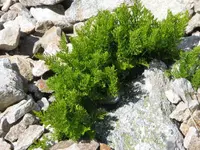
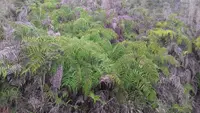
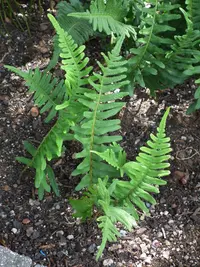
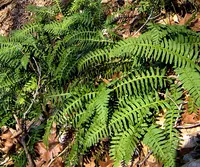
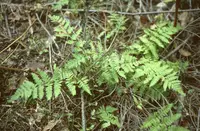
Parsley fern, Cryptogramma crispa, is a small, clump-forming fern with finely divided, parsley-like fronds. It stays low and compact, giving a soft, textured look. In nature it occurs in cool, rocky or mountainous areas, often in crevices with sharp drainage. This background makes it more tolerant of lean, gritty soils than many other ferns. It can be moderately challenging, as it dislikes heat, soggy conditions, and stagnant air. For those learning how to care for parsley fern, it generally prefers bright, indirect light, steady moisture, and a cool, well-drained, slightly acidic substrate.

Care Difficulty
Moderate Care

Light Preference
Partial Shade

Water Requirements
Moderate Water

Temperature Preference
Cold Hardy

Hardiness Zone
4–8

Soil Texture
Sandy, Loamy, Rocky

Soil pH
Acidic (5.5–6.5)

Soil Drainage
Well-drained

Fertilization
Minimal (feed rarely)
Scan your plant to receive care tips personalized for your specific plant
Available on iOS and Android
This alpine fern prefers bright, cool conditions with protection from intense midday sun.
This fern prefers consistently moist but not waterlogged soil, especially during active growth.
This species is adapted to cool, temperate climates and tolerates substantial cold when established.
This fern prefers consistently cool, moderately humid air to avoid frond crisping.
This fern grows best in light, rocky, sharply drained yet humus-rich soil.
This species can be grown in containers if drainage and root-zone conditions closely match its naturally rocky habitat.
Cryptogramma crispa is adapted to low-nutrient, rocky soils and needs only light feeding in containers or garden beds.
Pruning Cryptogramma crispa focuses on hygiene and maintaining a tidy clump rather than shaping.
This fern prefers stable conditions, so repotting or transplanting should be infrequent and gentle.
Propagation of Cryptogramma crispa is usually done by careful division rather than from spores for home growers.
This fern is quite cold hardy in the ground and often needs minimal winter care in temperate climates.

Plant Health Check
Not sure what's wrong with your plant? Check your plant's health inside the app.
Cryptogramma crispa often anchors in narrow crevices of acidic rocks in montane and subalpine zones, using its fibrous root system to exploit tiny pockets of grit and humus. This growth strategy allows it to colonize sites where many other ferns cannot survive due to shallow, drought-prone substrates.
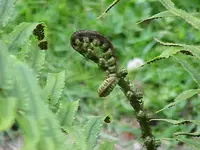
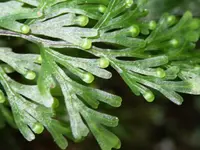
The species has distinctly different sterile and fertile fronds, a trait known as frond dimorphism. Sterile fronds are broader and parsley-like, while fertile fronds are narrower with strongly curled lobes that protect developing spores.
This fern is native to cool, high-altitude habitats across western and northern Europe, including upland areas of the British Isles and Scandinavia. It tolerates significant temperature fluctuations and short growing seasons that are typical of exposed mountain environments.

In parts of the Scottish Highlands and other upland regions, Cryptogramma crispa is considered a characteristic member of specialized fern-rich rock communities, and its presence is sometimes used by botanists as an indicator of long-term, relatively undisturbed montane rock habitats.
This species spreads slowly by short rhizomes and self-sown spores. It usually forms small clumps rather than large colonies. In most gardens it is not considered aggressive and is unlikely to overrun nearby plants.
Keep your plants happy and healthy with plant identification, disease detection, and easy care guidance.