Henry's Lime Care (Tilia henryana)

Henry's Lime

About Henry's Lime

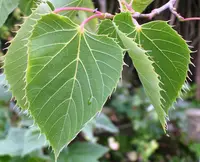
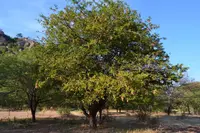
Henry's lime, Tilia henryana, is a deciduous tree known for its elegant, heart-shaped leaves with finely fringed edges. It forms a graceful, upright crown that becomes broad with age.

This species is native to central China, where it grows in temperate forests and mountain valleys. In gardens and parks, it is valued for its soft shade and fragrant late-summer flowers that attract bees.

The tree is generally robust and long-lived, but its eventual size and need for space can make it less suited to very small gardens. It prefers fertile, moisture-retentive but well-drained soil and a site with good light, which helps guide how to care for Henry's Lime.

Main Plant Requirements

Care Difficulty

Moderate Care

Light Preference

Full Sun

Water Requirements

Moderate Water

Temperature Preference

Cool Climate

Hardiness Zone

6–9

Soil Texture

Loamy, Clay, Organic-rich

Soil pH

Acidic (5.5–6.5), Slightly acidic (6.5–7.0)

Soil Drainage

Moist but well-drained

Fertilization

Minimal (feed rarely)

Get Personalized Care Plan

Scan your plant to receive care tips personalized for your specific plant

Available on iOS and Android

How to Care for the Henry's Lime

This deciduous tree prefers consistent light levels that mimic a bright forest edge.

  • Provide 4–6 hours of direct morning sun with light afternoon shade; strong late-day summer sun can scorch young leaves of Henry's Lime.
  • Plant in a site with open sky above but shelter from harsh, reflective heat, such as on the east or north side of a building or larger trees.
  • In hot summers, use temporary shade cloth or companion planting to reduce leaf scorch, while avoiding deep shade that causes sparse, weak growth.

This species prefers evenly moist, well-drained soil rather than swings between very wet and very dry.

  • Check soil 5–8 cm deep; water when it feels slightly dry but before it becomes powdery, especially during the first 2–3 establishment years.
  • Reduce watering frequency in cool, rainy seasons; in hot, dry periods, increase deep soakings instead of light, frequent sprinkling to encourage deep roots in Tilia henryana.
  • Watch for yellowing leaves and soft, sour-smelling soil as overwatering signs, and for limp, browning leaf edges and dry, cracked soil as underwatering signs.

This hardy tree tolerates a wide temperature range but grows best in moderate conditions.

  • Active growth is strongest around 60–75°F (16–24°C), with cool nights supporting steady extension of shoots and leaves.
  • Established trees are cold-hardy to about -10°F (-23°C) once acclimated, but young plants benefit from protection from hard, drying winter winds.
  • In summer, Tilia henryana manages short spells up to about 90°F (32°C) if soil stays moist and roots are mulched to buffer heat and water loss.

This species grows best in moderate outdoor humidity but tolerates a fairly wide range.

  • Aim for 40–60% humidity; brief drops lower than this are usually tolerated in established trees.
  • Dry air combined with strong sun may lead to leaf edge browning and premature leaf drop in Henry's Lime.
  • In drier regions, plant near other shrubs or a mulched bed to reduce evaporation and stabilize local humidity around the canopy.

This tree prefers deep, moisture-retentive yet well-drained soil for steady growth.

  • Use a loamy structure with a mix of garden soil, compost, and leaf mold to provide both nutrients and water-holding capacity.
  • Ensure drainage is free by avoiding compacted subsoil and heavy clay layers that cause waterlogging and root suffocation.
  • Target a slightly acidic to neutral pH around 6.0–7.2, which suits Tilia henryana and supports nutrient availability.
  • Improve aeration and drainage by incorporating coarse sand or fine grit into heavier soils, especially in cooler, wetter climates.

This species is only moderately suitable for long-term container growing, mainly as a juvenile or small specimen.

  • Choose a very large, deep, and heavy container to provide root volume and prevent the tall canopy from tipping in strong winds.
  • Select a thick-walled, non-glazed clay or concrete pot to moderate moisture swings and improve stability on exposed patios.
  • Raise the container on feet or blocks so drainage holes stay clear and excess irrigation or rainwater exits rapidly after watering.

This species grows well in average soil but benefits from moderate feeding in poor or very dry sites, especially when young.

  • Apply a balanced slow-release fertilizer (such as 10-10-10) once in early spring for Henry's Lime, following label rates for trees.
  • Use well-rotted compost as a light top-dressing over the root zone each spring to support soil structure and biology.
  • Avoid high-strength products; for any liquid feed on container-grown plants, dilute to 1/2 strength every 4–6 weeks in the growing season.
  • Stop feeding in late summer so new growth hardens before winter, and do not fertilize during winter dormancy.

Tilia henryana benefits from light, structured pruning to maintain a strong framework and safe size in gardens or streetscapes.

  • Carry out main pruning in late winter to very early spring, before bud break, using clean, sharp bypass pruners or a pruning saw.
  • Remove dead, diseased, crossing, or storm-damaged branches back to healthy wood to improve airflow and reduce disease risk.
  • Thin congested inner branches on young trees to develop a balanced crown and strong scaffold limbs without heavy heading cuts.
  • Limit summer work to small corrective cuts and removal of low suckers, avoiding large wounds during active growth.

This tree is usually grown in the ground; transplanting young Tilia henryana correctly is more important than frequent repotting.

  • Look for circling roots in nursery containers or slow growth in pots as signs that the plant needs a larger root space.
  • Transplant in late fall or very early spring when the tree is dormant, aiming for cool, moist conditions to lower stress.
  • Move up only 1–2 pot sizes for container plants, loosening or slicing circling roots and setting the root flare at soil level.
  • Water deeply after planting, apply 5–8 cm of mulch outside the trunk, and keep soil evenly moist for the first 1–2 growing seasons.

Tilia henryana is typically propagated by seed or softwood cuttings under controlled conditions, so home propagation requires patience and care.

  • Collect ripe seeds in late summer to fall, then use cold stratification at 34–41°F for several weeks to break dormancy.
  • Sow stratified seeds in a free-draining, low-nutrient medium and keep slightly moist in bright, indirect light until germination.
  • Take softwood or semi-ripe cuttings in early summer, 10–15 cm long, and treat the base with a rooting hormone for better success.
  • Root cuttings in a warm (68–75°F), humid environment, such as under a clear cover or mist system, to prevent desiccation while roots form.

Established Tilia henryana trees are reasonably cold hardy in much of the temperate US and usually need only minimal winter care.

  • Apply a 5–8 cm mulch layer over the root zone in late fall, keeping it a few cm away from the trunk to avoid rot.
  • Young or newly planted trees benefit from a burlap windbreak or tree wrap on the lower trunk in colder or exposed sites.
  • Container-grown plants are more vulnerable; overwinter them in a sheltered, unheated but frost-free space or heel pots into the ground.

Care Tips

Windfirm Training

Stake young trees on the windward side for the first 2–3 years, then gradually loosen and remove ties so the trunk flexes and strengthens instead of remaining dependent on support.

Root Zone Protection

Maintain a wide, undisturbed mulch ring under the canopy drip line and avoid regular foot traffic or parking over the root zone to prevent soil compaction and fine root damage.

Structured Crown Thinning

Every 3–5 years, have a certified arborist selectively thin congested inner branches by no more than 15–20% to improve airflow, reduce wind sail, and lower the risk of storm damage.

Leaf Litter Management

During autumn, leave a thin layer of leaf litter as a natural mulch but remove thick, wet mats near the trunk to reduce fungal disease pressure and rodent hiding spots.

Trunk And Graft Checks

Inspect the lower trunk and graft union yearly for cracks, cankers, or mechanical damage, and correct mower or string trimmer habits if you see bark scuffing, which is a common hidden stress factor when growing Henry's Lime.

Common Pests and Diseases

Linden aphids

These insects gather on young shoots and leaf undersides, sucking sap and causing distorted leaves and heavy honeydew that can lead to sooty mold. This pest is especially common on linden species, including Henry’s lime, in warm, calm conditions.

Solution

Wash colonies off with a strong but controlled stream of water, focusing on leaf undersides, and repeat every few days as needed. For heavier infestations, apply insecticidal soap or a horticultural oil labeled for aphids in the evening to avoid leaf burn, and encourage natural predators such as lady beetles by avoiding broad-spectrum insecticides nearby.

Linden leaf miner

This pest lives inside the leaf, creating light-colored, winding or blotchy mines between the upper and lower leaf surfaces that can cause early leaf drop when severe. Symptoms include thin, papery areas and browning patches on older leaves in mid to late summer.

Solution

Prune and dispose of heavily affected leaves early in the season to reduce the next generation of larvae. In larger trees, management relies mostly on timing: encourage beneficial insects, keep the tree well watered during dry spells to reduce stress, and if needed consult an arborist about systemic treatments applied in early spring before adult activity peaks.

Linden spider mites

These insects are tiny sap-feeders that cause fine stippling, dull or bronzed foliage, and light webbing, especially during hot, dry weather. This pest often goes unnoticed until leaves look faded and dusty.

Solution

Increase humidity around the canopy by regular, firm hosing of the foliage to dislodge mites and remove dust, focusing on leaf undersides. If damage continues, use a horticultural oil or insecticidal soap labeled for mites, applied thoroughly and repeated according to label directions, and avoid water stress because drought favors mite outbreaks.

Sooty bark disease

This disease, caused by the fungus Cryptostroma corticale, leads to wilting, dieback, bark cracking, and dark sooty spore layers under peeling bark, especially in heat- and drought-stressed trees. Symptoms include progressive crown thinning and dark staining on exposed wood.

Solution

Remove and destroy heavily infected branches and avoid stacking infected wood near healthy trees to limit spore spread. Reduce stress by deep watering during prolonged dry periods, mulching the root zone (keeping mulch off the trunk), and, for significant infections, consult a certified arborist about the need for staged removal and replacement.

Powdery mildew

This disease appears as white to gray powdery patches on leaf surfaces, often on shaded or crowded parts of the canopy, and can cause leaf distortion and premature leaf drop when severe. Symptoms include a dusty coating that wipes off on fingers.

Solution

Improve air circulation by selective thinning of crowded branches, avoid overhead watering in the evening, and remove heavily infected leaves that fall to the ground. For young or ornamental specimens where appearance matters, apply a labeled fungicide such as a sulfur or potassium bicarbonate product at the first sign of mildew, repeating as directed to protect new growth while focusing on overall Tilia henryana care that minimizes shade and humidity around dense foliage.

Interesting Facts

Late-flowering nectar source

This species blooms unusually late in the season for a lime tree, often in late summer to early autumn, providing a valuable nectar and pollen source for bees and other pollinators when many other trees have finished flowering.

Conspicuous bristle teeth

The leaves have distinctive long, bristle-tipped teeth along the margins, giving the canopy a softly fringed outline that helps distinguish it from other Tilia species with smoother leaf edges.

Chinese montane origins

This tree is native to montane forests in central China, where it typically grows on slopes and valley sides, contributing to mixed broadleaf forest structure and supporting diverse invertebrate communities.

Botan icon

Did you know?

Henry’s lime was first described for science from material collected by the Irish plantsman Augustine Henry in China in the late 19th century, and the species is named in his honor, reflecting its relatively recent recognition in European horticulture.

FAQs about Henry's Lime

Growth is moderate, typically 20–40 cm per year in suitable conditions. Young trees form a small ornamental shape within several years, but full stature and canopy structure develop slowly over a few decades.

Grow Healthy Plants with Botan Care

Keep your plants happy and healthy with plant identification, disease detection, and easy care guidance.

Botan plant care app — identify plants on mobile

Explore More Plants