Japanese snowbell Care (Styrax japonicus)

Also known as: Japanese storax
Japanese snowbell

About Japanese snowbell

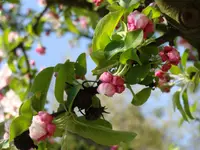
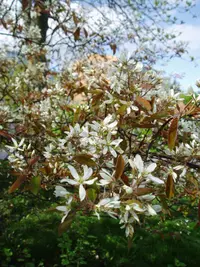
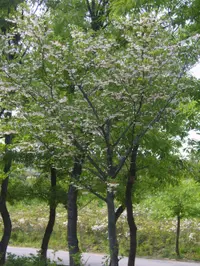
Japanese snowbell, Styrax japonicus, is a small deciduous tree valued for its graceful form and late spring flowers. It typically develops a rounded crown with layered, horizontal branches that show off its dangling, bell-shaped white blooms.

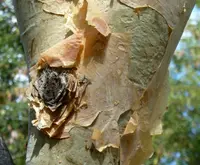
This species is native to Japan, Korea, and parts of China, where it grows in woodland habitats. In gardens it is used as an ornamental feature tree, appreciated for its flowers and smooth gray bark.

It is considered moderately easy to grow if planted in suitable conditions, as it prefers cool roots, evenly moist but well-drained soil, and protection from harsh, drying winds. Understanding how to care for Japanese snowbell helps it establish well and maintain a balanced, healthy canopy.

Main Plant Requirements

Care Difficulty

Moderate Care

Light Preference

Partial Shade

Water Requirements

Regular Water

Temperature Preference

Cold Hardy

Hardiness Zone

5–8

Soil Texture

Loamy, Sandy, Organic-rich

Soil pH

Acidic (5.5–6.5), Slightly acidic (6.5–7.0)

Soil Drainage

Moist but well-drained

Fertilization

Minimal (feed rarely)

Get Personalized Care Plan

Scan your plant to receive care tips personalized for your specific plant

Available on iOS and Android

How to Care for the Japanese snowbell

This small flowering tree prefers bright, gentle light with some protection from intense midday sun.

  • Provide 4–6 hours of direct morning sun with light afternoon shade; dappled light under taller trees suits Japanese snowbell well.
  • In hot summer regions, avoid harsh sun from 12–4 p.m. to reduce leaf scorch and flower drop; use shade from buildings or larger plants.
  • In cooler climates, site on an east or north-east exposure; ensure no deep shade, or flowering and branch density will decline.

This species favors evenly moist, well-drained soil and does not tolerate prolonged drought or standing water.

  • Before watering, let the top 3–5 cm of soil dry, then water deeply so moisture reaches the full root zone, encouraging stable growth.
  • Watch leaves for cues: drooping or dull leaves suggest dryness, while yellowing leaves and soft new growth can indicate excess moisture.
  • Increase watering frequency during hot, dry periods and reduce in fall and winter; always plant in soil that drains freely to prevent root rot in Styrax japonicus.

This deciduous tree performs best in moderate climates with cool winters and mild to warm summers.

  • Active growth is strongest at 60–75°F (16–24°C), with flower buds developing best after a cool winter followed by a gentle spring warm-up.
  • Mature trees tolerate winter lows near -10°F (-23°C) in sheltered sites, but young plants should be protected from sudden hard freezes and drying winds.
  • In summer, trees handle 80–90°F (27–32°C) if soil moisture is consistent; extended heat above 95°F (35°C) can stress foliage and reduce flowering the next year.

This species prefers moderate ambient humidity but tolerates typical outdoor conditions in temperate regions.

  • Aim for 40–60% humidity, which is commonly present in most outdoor garden sites.
  • Tolerates brief dry air periods, but prolonged hot, very dry winds can cause leaf edge browning and premature leaf drop.
  • Increase humidity around a Japanese snowbell during hot, dry spells with mulch over the root zone and nearby underplanting rather than misting the foliage.

Styrax japonicus grows best in consistently moist, well-drained, structured soil.

  • Use a deep, loamy soil rich in organic matter that holds moisture yet drains freely, avoiding heavy, compacted clay.
  • Aim for slightly acidic to neutral pH, roughly 5.5–7.0, which supports nutrient availability and healthy root activity.
  • In planting beds or large containers, blend garden loam with compost and fine pine bark to enhance structure, water retention, and aeration.
  • Improve drainage on heavier sites by raising the planting area and incorporating coarse sand or fine grit into the upper 20–30 cm.

This tree can be grown in large containers for several years if root space and moisture are carefully managed.

  • Choose a broad, heavy container to prevent tipping, as the canopy becomes top-heavy when in full leaf and flower.
  • Select a pot deeper than it is wide to accommodate the plant’s moderately deep root system and reduce surface drying.
  • Use a container mix that combines loam, compost, and bark-based material to balance moisture retention with rapid drainage through the base.

This deciduous tree benefits from light, targeted feeding rather than heavy fertilization.

  • Use a balanced slow-release fertilizer (around 10-10-10) or a thin layer of compost in early spring as new growth starts.
  • Apply once per year for established plants; young trees can receive a second light feeding in midsummer if growth is weak.
  • Dilute liquid products to 1/2 strength to avoid root burn, especially in containers.
  • Stop feeding Japanese snowbell in late summer so new growth hardens before winter.

Thoughtful pruning keeps Styrax japonicus healthy and highlights its naturally graceful canopy.

  • Carry out structural pruning in late winter to early spring before bud break.
  • Remove dead, diseased, or crossing branches first, then thin crowded interior shoots to improve airflow and light.
  • Shorten or remove poorly placed limbs to maintain a layered, horizontal branching habit and better flower display.
  • Use sharp bypass pruners or loppers; make clean cuts just outside the branch collar without leaving stubs.

This species is usually grown in the ground, so care focuses on correct transplanting rather than frequent repotting.

  • Transplant in early spring or early fall when temperatures are mild and soil is workable.
  • Look for signs such as roots circling the container, slow growth, or quick drying soil before moving container-grown trees.
  • Plant at the same depth as in the pot, spreading roots outward and backfilling with well-drained soil, then water deeply.
  • Reduce root stress by shading the tree for 1–2 weeks after transplanting and keeping the root zone evenly moist, not waterlogged.

New plants are most often produced from semi-ripe cuttings or seeds, though both methods need patience and controlled conditions.

  • Take semi-ripe stem cuttings in midsummer, 7–10 cm long, with 2–3 nodes and a few leaves left at the tip.
  • Dip cut ends in rooting hormone, then place in a moist, free-draining medium under high humidity and bright, indirect light.
  • Sow fresh seeds in autumn, using a cold stratification period to break dormancy, and expect slow, uneven germination.
  • Layering low branches into soil in spring can also work, keeping the buried section moist until roots form.

Outdoor Styrax japonicus is generally cold hardy in much of the US and needs only modest winter attention once established.

  • In zones near its hardiness limit, apply a 5–8 cm layer of mulch over the root zone, keeping it away from the trunk.
  • Young or newly transplanted trees benefit from burlap wraps around stakes to reduce drying winds and sunscald.
  • Container-grown plants are more exposed; move pots into a sheltered, unheated garage or against a protected wall.

Care Tips

Early form training

In the first 3–5 years, select 3–5 well-spaced main branches and lightly thin or redirect competing shoots so the tree develops a balanced, open framework that will better display the flowers as it matures.

Mulch for shallow roots

Apply a 5–8 cm layer of shredded bark or leaf mold over the root zone, keeping it 5–8 cm away from the trunk, to moderate soil temperature and protect the fine, shallow roots from drying and mechanical damage.

Protect from soil compaction

Keep regular foot traffic, heavy pots, and equipment away from the drip line, and if the area is already compacted, use a garden fork to gently aerate the top 5–8 cm of soil without disturbing major roots.

Frost and late-freeze management

In climates with late spring frosts, site the tree away from low spots and south-facing walls, and on freeze-risk nights use breathable frost cloth over the canopy to reduce flower bud damage.

Underplanting for root health

Establish a low, non-competitive groundcover or seasonal mulch of fallen leaves under the canopy to shade the soil surface, support beneficial soil life, and stabilize moisture when growing Japanese snowbell in exposed sites.

Common Pests and Diseases

Leaf spot

This disease causes small brown to purplish spots on leaves that may enlarge, merge, and lead to early leaf drop in humid conditions.

Solution

Prune and discard affected leaves and any twig sections with heavy spotting, then improve air circulation by thinning crowded branches and avoiding overhead watering; if needed, apply a copper or chlorothalonil-based fungicide in spring when new leaves emerge, following label directions carefully as part of broader Styrax japonicus care instructions.

Canker

This disease produces sunken, discolored patches on stems or branches, often accompanied by dieback and sparse foliage above the affected area.

Solution

Cut out infected branches at least 15–20 cm below visible cankers and disinfect pruning tools between cuts; reduce plant stress by watering during dry periods and applying a light layer of mulch, and in severe or recurring cases consider removing heavily affected plants to prevent spread.

Japanese beetles

These insects skeletonize leaves by eating tissue between the veins and can cause noticeable defoliation in midsummer.

Solution

Hand-pick beetles in the early morning into soapy water and consider using fine netting on smaller trees during peak feeding; reduce nearby lawn grubs with targeted grub control products in late summer or early fall to lower future adult beetle populations.

Scale insects

These pests appear as small, immobile bumps on twigs and leaves, feeding on plant sap and sometimes leading to yellowing foliage and sticky honeydew on surfaces below the tree.

Solution

Prune out heavily infested twigs and wash remaining stems with a strong water spray; for persistent infestations, use horticultural oil during the dormant season or when crawlers are active, ensuring thorough coverage of branches and undersides of leaves.

Aphids

These insects cluster on young shoots and leaf undersides, sucking sap and excreting honeydew that can lead to sooty mold on leaves and nearby surfaces.

Solution

Spray infested areas with a firm jet of water to dislodge aphids and encourage natural predators such as lady beetles; for ongoing problems, apply insecticidal soap or horticultural oil to new growth, repeating as needed according to product directions.

Interesting Facts

Upside-down bell flowers

The white flowers hang below the branches like tiny bells, so their showy petals are most visible when viewed from underneath the canopy.

Subtle floral fragrance

The flowers release a light, sweet scent that is attractive to bees and other pollinators but is usually gentle enough that people notice it only at close range.

Distinctive winged seeds

After flowering, it forms small, hard, nut-like fruits that are partly enclosed in a dry, papery wing, which helps with limited wind dispersal.

Botan icon

Did you know?

In traditional Japanese garden design, this species is often planted near paths, steps, or verandas specifically so people can look up into the hanging flowers from below, which is considered the best viewing angle for appreciating their form and fragrance.

FAQs about Japanese snowbell

Lack of flowers usually comes from insufficient light, young age, or heavy pruning at the wrong time that removed flower buds. Poor nutrition or drought stress can also reduce bud formation and flowering intensity.

Grow Healthy Plants with Botan Care

Keep your plants happy and healthy with plant identification, disease detection, and easy care guidance.

Botan plant care app — identify plants on mobile

Explore More Plants