Common Elaeocarpus Care (Elaeocarpus decipiens)

Common Elaeocarpus

About Common Elaeocarpus

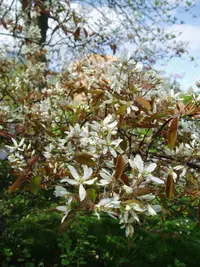
Common Elaeocarpus (Elaeocarpus decipiens) is an evergreen tree often used as a hedge, screen, or small street tree in mild climates. It keeps its leaves year-round, providing steady structure and privacy. The foliage is dense and glossy, with new growth often emerging in warm copper or bronze tones before turning deep green. In suitable conditions, it forms a neat, upright shape that responds well to pruning. This species originates from East Asia, especially China and Japan, and adapts fairly well to urban environments. To care for Common Elaeocarpus, provide a sunny to lightly shaded spot, reasonably moist but well-drained soil, and protection from extreme cold or prolonged drought.

Main Plant Requirements

Care Difficulty

Moderate Care

Light Preference

Full Sun

Water Requirements

Moderate Water

Temperature Preference

Warm Climate

Hardiness Zone

8–10

Soil Texture

Loamy, Sandy, Organic-rich

Soil pH

Acidic (5.5–6.5), Slightly acidic (6.5–7.0)

Soil Drainage

Moist but well-drained

Fertilization

Minimal (feed rarely)

Get Personalized Care Plan

Scan your plant to receive care tips personalized for your specific plant

Available on iOS and Android

How to Care for the Common Elaeocarpus

This evergreen prefers bright conditions with some protection from harsh extremes of sun.

  • Provide 4–6 hours of direct sun daily, ideally morning sun with light afternoon shade, especially in hotter climates.
  • Tolerates light to medium partial shade, but dense shade reduces flowering and leads to sparse, elongated growth in Common Elaeocarpus.
  • In hot summers, strong afternoon sun can scorch young foliage; use filtered light from nearby trees or structures, and ensure newly planted trees are shaded until established.

This tree prefers evenly moist, well-drained soil rather than cycles of drought and saturation.

  • Water when the top 3–5 cm of soil feel dry, allowing deeper soil to stay slightly moist but never waterlogged.
  • In the first 1–2 years, monitor Elaeocarpus decipiens closely during hot, dry spells, increasing watering when leaves start to lose sheen or tips begin to droop.
  • Ensure soil drains freely; pale, yellowing leaves and soft stems suggest overwatering, while crisp leaf edges and premature leaf drop indicate the root zone is staying too dry.

This species grows best in mild, warm climates with limited exposure to frost or extreme heat.

  • Optimal growth occurs around 65–80°F (18–27°C), where steady temperatures support active shoot and root development.
  • Mature trees tolerate brief drops to about 20–25°F (-6 to -4°C), but young plants are damaged below 28°F (-2°C) and benefit from frost cloth or sheltered planting sites.
  • In hot regions, trees handle 90–95°F (32–35°C) if soil moisture is stable; combine heat with mulch to cool roots and avoid reflected heat from walls or pavement.

This species prefers moderate humidity but usually adapts to typical outdoor air in most regions.

  • Aim for 40–60% humidity, which suits Common Elaeocarpus in most garden conditions.
  • Leaf edges browning or curling and slowed growth can indicate air that is too dry for young or newly potted plants.
  • In very dry, hot climates, group plants near other shrubs or use windbreaks to slightly raise humidity around the foliage.

This evergreen tree needs freely draining, moderately fertile soil to avoid waterlogging around the roots.

  • Use a loamy, slightly sandy structure with organic matter so the soil holds moisture but drains within a few hours after heavy watering or rain.
  • Aim for a slightly acidic to neutral pH around 6.0–7.0, which supports nutrient availability and balanced root growth in Elaeocarpus decipiens.
  • Mix compost with coarse sand or fine gravel to improve aeration and prevent compaction, especially in heavier garden soils.
  • Avoid dense clay pockets and any spots where water stands after rain, since prolonged saturation encourages root rot and weak anchoring.

This species can be grown in large containers, especially when young or for patio use.

  • Choose a deep, heavy pot that resists tipping as the plant becomes tall and develops a woody canopy.
  • Use a fast-draining soil mix and elevate the container slightly so drainage holes never sit directly in collected water.
  • Select a pot material with moderate moisture retention, such as thick-walled terracotta or glazed clay, to keep roots cool and stable in sun-exposed positions.

Elaeocarpus decipiens responds well to modest, consistent feeding but does not require heavy fertilization.

  • Use a balanced slow-release fertilizer (around 10-10-10) or well-aged compost at the start of spring for caring for Common Elaeocarpus.
  • Apply granular slow-release once each spring; in warmer climates, a light second dose in midsummer is sufficient.
  • Reduce or stop feeding in late fall and winter, when growth slows naturally.
  • For container plants, use a balanced liquid fertilizer at 1/2 strength every 4–6 weeks during active growth.

Pruning Elaeocarpus decipiens focuses on maintaining a strong framework and clearing damaged growth rather than heavy reshaping.

  • Carry out main pruning in late winter to early spring before vigorous new growth starts.
  • Remove dead, diseased, crossing, or inward-growing branches to improve airflow and light penetration.
  • Use clean, sharp bypass pruners or loppers and make cuts just outside the branch collar.
  • Limit canopy reduction to light thinning and tip trimming to preserve natural form and flowering potential.

This species is most often grown in the ground, so care centers on thoughtful transplanting rather than frequent repotting.

  • Transplant young Elaeocarpus decipiens trees in late winter to early spring while growth is slow and temperatures are mild.
  • Look for signs such as circling roots in nursery containers, slow growth, or the root ball drying out rapidly.
  • Move to a hole 2–3 times wider than the root ball, keeping the root flare at soil level and backfilling with native soil.
  • Water deeply after transplanting, mulch 5–8 cm around the root zone, and keep soil evenly moist to reduce transplant shock.

Propagation of Elaeocarpus decipiens is possible but slower and more technical than many common shrubs.

  • Use semi-hardwood cuttings in late summer, 7–10 cm long, taken from non-flowering shoots.
  • Dip the cut base in rooting hormone, then place in a free-draining mix of coarse sand and peat or similar medium.
  • Maintain high humidity, gentle bottom warmth (68–75°F), and bright, indirect light for several months.
  • Seed propagation requires fresh seed, scarification or soaking, and patience due to slow, uneven germination.

This evergreen tree is moderately cold hardy but benefits from basic winter care in cooler regions.

  • Mature plants tolerate light frosts, but young trees are more sensitive, especially below about 20°F.
  • Apply a 5–8 cm mulch layer around the root zone in late fall, keeping it clear of the trunk.
  • In colder areas, wrap young trunks with breathable tree wrap to reduce frost and sunscald injury.
  • Grow container plants in large, insulated pots and move them to a sheltered, frost-free spot for winter.

Care Tips

Wind-firm training

In the first 3–4 years, stake the young tree and lightly prune competing leaders so a single, straight central trunk develops that will better resist storm winds later.

Salt exposure management

In coastal sites, hose off the canopy and upper branches with fresh water every 4–6 weeks during dry periods to reduce salt buildup on foliage and bark.

Root flare protection

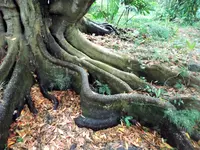
Keep mulch and soil pulled back 5–8 cm from the trunk so the root flare is visible, which lowers the risk of trunk rot and girdling roots over time.

Canopy lifting schedule

Once the trunk thickens, gradually raise the canopy over several years by removing only 1–2 low branches per season, preserving the tree’s natural dense form while providing clearance for paths or lawn equipment.

Urban heat adaptation

In hot paved areas, use a 5–8 cm layer of inorganic mulch such as gravel or stone beyond the drip line to reduce reflected heat on the lower canopy and support healthier foliage when caring for Common Elaeocarpus.

Common Pests and Diseases

Tea scale

This pest forms narrow, brownish or white scale bumps on the undersides of leaves, leading to yellowing and thinning foliage on Japanese blueberry trees.

Solution

Prune and discard heavily infested twigs, then wash leaf undersides with a strong stream of water and follow with a light horticultural oil spray, ensuring full coverage of the undersides. Improve light and airflow through the canopy to reduce reinfestation and repeat oil applications at 7–14 day intervals if crawlers persist.

Sooty mold

This disease appears as a black, powdery or velvety coating on leaves and twigs, developing on the honeydew excreted by sap-sucking insects such as scale or aphids.

Solution

Control the underlying honeydew-producing insects with targeted measures such as horticultural oil or insecticidal soap, then gently wipe or hose off affected foliage. Improve canopy airflow and avoid overhead irrigation that keeps leaves wet for long periods, which helps the coating weather away more quickly.

Leaf spot

This disease causes small, circular brown or tan spots that may coalesce, leading to premature leaf drop, especially in humid or poorly ventilated sites.

Solution

Remove and dispose of fallen and heavily spotted leaves to reduce inoculum, and avoid wetting foliage when watering. If conditions remain humid and spotting is significant, apply a labeled copper or chlorothalonil fungicide, spacing treatments according to product directions and monitoring new growth for improvement.

Armillaria root rot

This disease leads to gradual decline, reduced vigor, and dieback, often with thin crowns and yellowing foliage in established landscape trees, especially where older tree roots or stumps were present.

Solution

There is no reliable chemical cure, so focus on prevention by planting in well-drained sites away from old infected stumps or roots and avoiding overwatering. If a tree is severely affected, remove it along with as much of the infected root system as possible and replant only species known to tolerate Armillaria in that location.

Bark canker

Symptoms include sunken, cracked, or discolored patches on trunks or branches, sometimes with oozing sap and dieback of affected limbs.

Solution

Prune out infected limbs several inches below visible symptoms during dry weather, disinfecting tools between cuts, and destroy removed material. Reduce plant stress by maintaining even soil moisture, mulching the root zone, and avoiding trunk injury, which collectively supports better Elaeocarpus decipiens care and resistance to further canker development.

Interesting Facts

Evergreen with changing color

This species is evergreen, but the new flush of leaves often emerges bronze or coppery before maturing to glossy dark green, giving the tree seasonal color variation despite not shedding all foliage at once.

Tough urban hedge choice

It is frequently used in East Asia and the southeastern US as a clipped hedge or screen because it tolerates pruning, urban air pollution, and a range of soil types better than many other broadleaf evergreens.

Small but showy flowers

The tree produces clusters of small, fringed, white, bell-shaped flowers that hang beneath the branches, followed later by blue to bluish-black drupes that are attractive to birds.

Botan icon

Did you know?

In parts of East Asia, this species is widely planted along streets and in public landscapes because its dense branching and relatively strong wood make it more wind-firm and storm-resistant than many common ornamental broadleaf trees, reducing branch breakage and maintenance needs in typhoon-prone areas.

FAQs about Common Elaeocarpus

This species is a broadleaf evergreen tree, holding its foliage year-round in mild climates. Individual leaves age, redden, and drop gradually, so the canopy stays green rather than shedding all leaves in a single season.

Grow Healthy Plants with Botan Care

Keep your plants happy and healthy with plant identification, disease detection, and easy care guidance.

Botan plant care app — identify plants on mobile

Explore More Plants