


Optimal mounting choice
Mount plants on open, non-porous materials like bare hardwood, cork, or plastic mesh rather than on soil or moss, which helps the base dry quickly and reduces risk of rot.

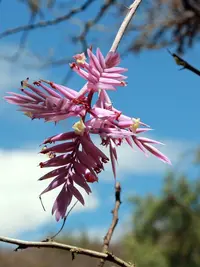
Tillandsia straminea is an epiphytic air plant from dry regions of Peru and Ecuador, where it clings to rocks or tree branches instead of growing in soil. It forms loose rosettes of narrow, curling leaves covered in fine silver hairs that help capture moisture from the air.
Mature plants can develop long, arching flower spikes with pale, often fragrant blooms, making them attractive display specimens indoors. This species prefers bright, indirect light, good air circulation, and quick drying after misting or soaking, which makes it moderately easy to care for Tillandsia straminea if those basics are met.

Care Difficulty
Moderate Care

Light Preference
Bright Indirect Light

Water Requirements
Low Water

Temperature Preference
Tropical / Frost Sensitive

Hardiness Zone
10–12

Soil Texture
Sandy, Rocky, Organic-rich

Soil pH
Acidic (5.5–6.5)

Soil Drainage
Well-drained

Fertilization
Light (every 4–6 weeks)
Scan your plant to receive care tips personalized for your specific plant
Available on iOS and Android
This species prefers bright, indirect light with some gentle direct sun each day.
This air plant absorbs water through its leaves and needs thorough wetting followed by complete drying.
This plant prefers warm, frost-free conditions with moderate temperature swings.
This species prefers moderate humidity but tolerates typical indoor air if watered correctly.
Tillandsia straminea does not use conventional soil and must stay in a dry, airy mountable medium.
This air plant can be grown in containers as long as it stays above the medium and dries quickly after watering.
This air plant benefits from light feeding but is sensitive to excess salts.
Pruning is mainly cosmetic and hygiene-focused for this species.
This epiphyte is mounted or placed loosely rather than traditionally potted, so transplanting is infrequent.
Propagation is commonly done through division of offsets rather than from seed for home growers.
This air plant is not frost hardy and needs protection in cold climates.

Plant Health Check
Not sure what's wrong with your plant? Check your plant's health inside the app.
This species is known for its intensely sweet, spicy fragrance that can fill a room when several flowers open at once, especially in the evening and early morning when scent helps attract pollinators.
Compared with many other air plants, it has thick, pale leaves covered in dense trichomes (tiny leaf hairs) that reflect sun and capture moisture from very dry air, an adaptation to exposed, bright habitats in its native range.
Its inflorescences can be surprisingly large for an air plant, bearing tubular lavender to purple flowers that emerge from pale bracts and offer both nectar and shelter to visiting insects in the wild.

In its native habitats of coastal Peru and Ecuador, this species often grows in fog-influenced ecosystems, relying significantly on moisture from fog and mist rather than rainfall, which makes it a model species for studying plant adaptation to extremely low-rainfall environments.
This species usually blooms only after reaching full maturity, which can take several years. Inadequate light, low air movement, or irregular watering can delay flowering. After blooming, the main plant slowly declines while producing pups around its base.
Keep your plants happy and healthy with plant identification, disease detection, and easy care guidance.

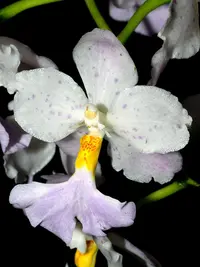
Cuitlauzina pendula
Cuitlauzina pendula

Dracaena francisii
Dracaena francisii
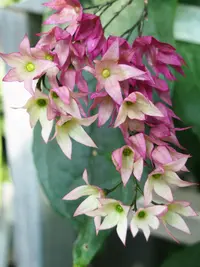
Red Bleeding Heart Vine
Clerodendrum × speciosum
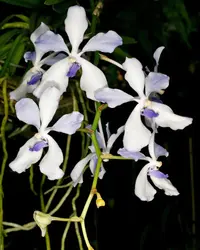
Blue orchid
Vanda coerulea
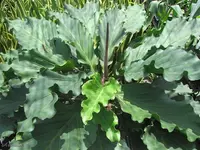
Anthurium Rancho Ruffles
Anthurium plowmanii
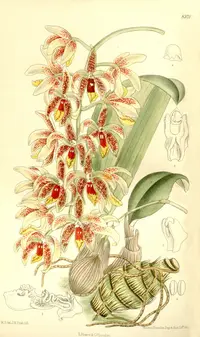
Dendrobium munificum
Dendrobium munificum
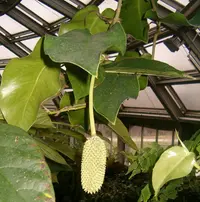
Monstera tuberculata
Monstera tuberculata
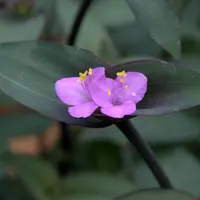
Trans-Pecos spiderwort
Tradescantia brevifolia