Host tree selection
Establish the fungus in association with compatible conifers such as pine or spruce, and avoid moving soil or roots once mycelium is established, since ectomycorrhizal fungi depend on a stable host root system to fruit reliably.

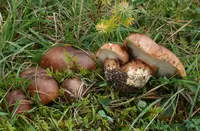
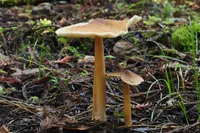
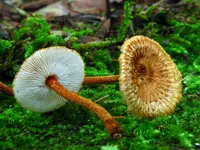
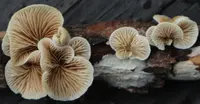
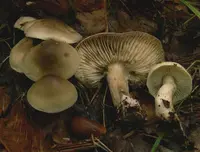
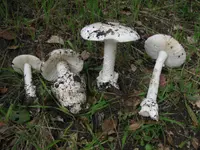
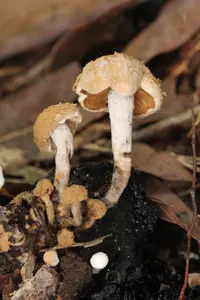
Tricholoma fracticum is a wild mushroom species, not a leafy houseplant, and forms fleshy caps on stout stems in forest habitats. It appears in earthy tones, often brownish, with firm, fibrous flesh and gills under the cap.
This fungus is typically found in temperate woodlands, especially in association with conifer or mixed forests, where it forms mycorrhizae, a nutrient-exchanging partnership with tree roots. Because it depends on this relationship, it is not suitable for typical indoor cultivation, and attempts to care for Tricholoma fracticum at home are usually unsuccessful.
In nature it prefers cool, moist, well-drained forest soils with consistent leaf litter and moderate shade, appearing seasonally when temperature and moisture align.

Care Difficulty
Hard Care

Light Preference
Partial Shade

Water Requirements
Regular Water

Temperature Preference
Cool Climate

Hardiness Zone
Unknown

Soil Texture
Loamy, Sandy, Organic-rich

Soil pH
Acidic (5.5–6.5)

Soil Drainage
Moist but well-drained

Fertilization
Minimal (feed rarely)
Scan your plant to receive care tips personalized for your specific plant
Available on iOS and Android
This mycorrhizal mushroom prefers cool, filtered woodland light rather than direct, open sun.
This species depends on consistently moist, well-drained forest soil rather than frequent surface soaking.
This ectomycorrhizal fungus favors cool to mild conditions, especially during its fruiting period.
Humidity is not a primary control factor for Tricholoma fracticum compared with host tree association and soil conditions.
This ectomycorrhizal fungus needs specific woodland-type soil conditions rather than a standard horticultural substrate.
This species is not realistically suitable for container growing, as it requires complex mycorrhizal association with host tree roots in open ground.
This mycorrhizal fungus depends on its tree host for nutrients and usually does not need additional fertilization.
Tricholoma fracticum is a wild, mycorrhizal mushroom and is not managed with pruning in the way garden plants are.
This species forms symbiotic relationships with tree roots and is not suited to normal container repotting.
Propagation of this wild mycorrhizal fungus is complex and not reliably achieved with home methods.
This woodland mushroom is naturally adapted to local seasonal cycles and does not require active winter care from gardeners.

Plant Health Check
Not sure what's wrong with your plant? Check your plant's health inside the app.
This species is known for a distinctly bitter and often lingering taste, which makes it unsuitable for culinary use even though closely related Tricholoma species are edible.
It typically forms ectomycorrhizal partnerships with conifer trees, especially pines, exchanging mineral nutrients and water from the soil for sugars produced by the host tree.
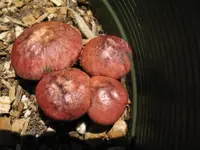
The cap usually shows brown to reddish-brown colors with subtle zoned or patchy patterns, which, together with its bitter taste, helps distinguish it from similar Tricholoma species in the field.
This species is considered inedible and is often listed as suspect or mildly poisonous. It should not be collected for food. Correct identification of wild mushrooms is difficult, so avoid consumption unless verified by a professional mycologist.
Keep your plants happy and healthy with plant identification, disease detection, and easy care guidance.