Soapy Trich Care (Tricholoma saponaceum)

Also known as: Soapy Knight
Soapy Trich

About Soapy Trich

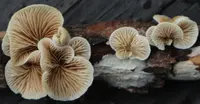
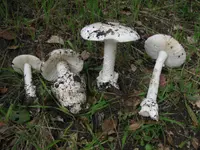
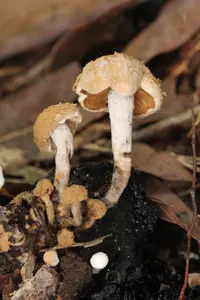
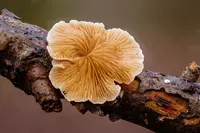
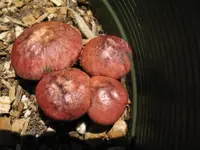
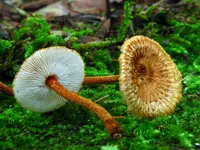
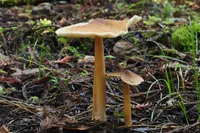
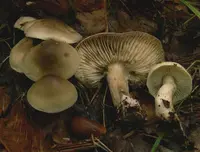
Soapy Trich, Tricholoma saponaceum, is a woodland mushroom rather than a true plant, known for its distinctive soapy smell when crushed. Caps are usually gray‑green to brown, with pale gills and a sturdy, whitish stem.

It occurs naturally in temperate forests of Europe, North America, and parts of Asia, often forming mycorrhizal partnerships with nearby trees. This mutual relationship makes it difficult to cultivate at home, since it relies on specific tree roots and soil organisms.

Gardeners and foragers generally do not try to care for Soapy Trich, as it is not a good edible and is unreliable in artificial conditions. It prefers moist, undisturbed, slightly acidic woodland soils with consistent shade and natural leaf litter.

Main Plant Requirements

Care Difficulty

Hard Care

Light Preference

Shade

Water Requirements

Keep Soil Moist

Temperature Preference

Cool Climate

Hardiness Zone

Unknown

Soil Texture

Loamy, Peaty, Organic-rich

Soil pH

Strongly acidic (4.5–5.5), Acidic (5.5–6.5)

Soil Drainage

Moist but well-drained

Fertilization

Minimal (feed rarely)

Get Personalized Care Plan

Scan your plant to receive care tips personalized for your specific plant

Available on iOS and Android

How to Care for the Soapy Trich

This ectomycorrhizal mushroom prefers cool, softly lit forest conditions rather than open sun.

  • Provide dappled or filtered light under trees, mimicking a woodland canopy with 2–4 hours of gentle morning sun and full shade by early afternoon.
  • Avoid strong midday or afternoon sun, which can dry leaf litter and upper soil layers too quickly and reduce reliable fruiting of Soapy Trich.
  • In summer, maintain deeper shade using shrubs, leaf litter, or fallen branches; in cooler seasons, slightly more open canopy is acceptable as long as direct sun remains limited.

Moist, well-drained, organically rich soil is essential for reliable fruiting of this woodland fungus.

  • Maintain consistently moist but not waterlogged soil; surface leaf litter can feel slightly damp while the top 2–3 cm of mineral soil should never dry out completely during the fruiting season.
  • Use loose, humus-rich soil over good drainage; standing water, sour smell, or slimy mycelial patches suggest overwatering or compaction and may suppress Tricholoma saponaceum.
  • In dry periods, irrigate the surrounding tree root zone deeply when leaf litter feels crisp and lifts easily, then allow slight surface drying while keeping subsurface soil evenly moist.

This species fruits best in cool, temperate conditions typical of autumn woodlands.

  • Support mycelial growth in a range around 50–68°F (10–20°C), with peak fruiting often seen when daytime temperatures are 50–60°F (10–16°C) and nights are cooler but above freezing.
  • Protect the habitat from hard frost below about 28°F (-2°C), which can damage developing fruiting bodies, though buried mycelium often survives short cold spells.
  • Limit exposure to extended heat above 77°F (25°C); in warmer months, deeper shade, thicker leaf litter, and stable soil moisture help buffer temperature swings and sustain the fungus until cooler seasons return.

Humidity is not a primary factor for Tricholoma saponaceum, which grows in outdoor woodland air conditions.

This mushroom forms mycorrhizal partnerships in undisturbed woodland soil, so substrate choice aims to mimic a loose, organic forest floor.

  • Use a deep, humus-rich, crumbly substrate based on leaf mold, fine bark, and well-rotted wood fragments rather than dense garden soil.
  • Ensure free drainage so water moves through quickly, avoiding standing moisture that promotes anaerobic (oxygen-poor) conditions harmful to fungal mycelium.
  • Keep pH slightly acidic, around 5.0–6.5, by favoring deciduous leaf litter and avoiding lime, ash, or alkaline amendments.
  • Maintain aeration by mixing in coarse particles (bark chips, twigs, coarse sand) and never compacting the substrate surface.

This species is not realistically suitable for standard container cultivation, as it depends on complex mycorrhizal relationships with tree roots.

This ectomycorrhizal fungus relies on its tree partners for nutrition and usually does not need extra fertilizer in cultivation or managed woodland settings.

  • Avoid adding synthetic balanced NPK around established Tricholoma saponaceum colonies, as excess nutrients can disrupt the tree–fungus relationship.
  • If surrounding trees show poor vigor, apply a light top-dressing of well-rotted compost 1–2 times per year outside the immediate mushroom fruiting zone.
  • Skip concentrated or full-strength fertilizers; if used for host trees, keep them at 25–50% label strength and apply broadly, not directly where Soapy Trich fruits.

This fungus does not require conventional pruning, since its main body is an underground mycelial network and not a woody plant.

This woodland fungus is not suited to normal pot culture, so any intervention focuses on relocating colonized soil rather than classic repotting.

  • Only attempt transplanting when a clearly colonized soil block must be moved, such as during construction or landscape changes.
  • Plan moves for cool, moist seasons (early spring or fall) to limit mycelium stress and desiccation.
  • Lift a wide, deep plug of soil around the suspected mycelium, keeping structure intact and avoiding crumbling.
  • Replant the soil block at the same depth near compatible host trees, water gently, and keep the area evenly moist until conditions stabilize.

Establishing this mycorrhizal species intentionally is difficult, since it depends on a tight association with living tree roots rather than standard plant propagation methods.

This temperate woodland fungus is naturally cold hardy and usually needs no special winter care in outdoor settings.

Care Tips

Spore-friendly layout

When establishing a patch, place colonized substrate in several small clusters 20–30 cm apart instead of one dense mound to encourage better spore dispersal and more stable long-term fruiting.

Host tree matching

Select and maintain compatible host trees such as spruce, pine, or oak on site, since this mycorrhizal fungus depends on a healthy root partner and will establish more reliably when roots are undisturbed and not heavily compacted.

Soil disturbance control

Limit raking, digging, or foot traffic directly above colonized areas, and if access is necessary, use stepping stones or boardwalks to protect the fine mycelial network in the upper soil layer.

Leaf litter management

Maintain a light but continuous layer of leaf litter or conifer needles over the colonized zone, topping up in late fall if needed so the mycelium stays protected while still allowing air movement.

Moisture buffering mulch

Apply a thin layer (1–2 cm) of untreated wood chips or partially decomposed leaf mold over the site to buffer moisture swings and reduce surface crusting, which supports more consistent results when growing Soapy Trich.

Common Pests and Diseases

Mycophagous springtails

These insects feed on fungal tissues, especially on young fruiting bodies and mycelium in moist substrates. Symptoms include pitted or gnawed caps, deformed primordia, and slow or uneven flush development.

Solution

Reduce excess moisture, improve drainage, and avoid constantly saturated substrates; use fine-mesh barriers or clean plastic sheeting to limit access from surrounding soil. For heavy infestations in cultivation beds, apply targeted biological controls such as predatory mites or beneficial nematodes and remove heavily damaged mushrooms to reduce food sources.

Sciarid fungus gnats

These insects lay eggs in moist, organic substrates and the larvae feed on mycelium and developing fruit bodies. Symptoms include stunted or aborted mushrooms, tunneled stipes, and the presence of small, dark gnats around the bed or container.

Solution

Allow the surface of the substrate to dry slightly between waterings, and improve airflow to make conditions less favorable for egg laying. Use yellow sticky traps for adult gnats, and consider biological controls such as Bacillus thuringiensis israelensis (Bti) drenches or beneficial nematodes directed at larvae in the substrate.

Mite feeding damage

This pest group includes various soil and substrate mites that graze on mycelium and young fruiting bodies. Symptoms include patchy colonization, deformed or undersized mushrooms, and fine surface scarring or speckling on caps and stems.

Solution

Use well-pasteurized or clean substrate and tools to prevent mite introduction, and keep surrounding plant debris and compost away from cultivation areas. For ongoing issues, introduce predatory mites adapted to mushroom systems and discard heavily infested blocks or beds to break the life cycle.

Bacterial blotch

This disease develops in persistently wet, poorly ventilated conditions and is caused by bacteria that colonize mushroom surfaces. Symptoms include greasy, yellow to brown spots on caps, sometimes with slimy patches and rapid tissue breakdown.

Solution

Reduce overhead watering, avoid water sitting on caps, and increase air movement to dry surfaces quickly while keeping humidity moderate. Remove and discard affected fruit bodies promptly and sanitize tools, trays, and work areas to limit bacterial spread between flushes.

Green mold contamination

This disease is caused by aggressive Trichoderma species that overgrow T. saponaceum mycelium in nutrient-rich, damp substrates. Symptoms include dense green spores on the substrate surface, a sharp earthy odor, and rapid loss of mushroom production in affected zones.

Solution

Discard heavily contaminated substrate completely and clean containers, tools, and nearby surfaces with a suitable disinfectant. For future cycles, use properly pasteurized or sterilized substrate, maintain good hygiene when handling spawn, and avoid overwatering to limit conditions that favor Trichoderma overgrowth during Tricholoma saponaceum plant care.

Interesting Facts

Soapy scent chemistry

The mushroom releases a distinctive soapy or detergent-like odor due to a mix of volatile organic compounds in the flesh, which is the origin of both its common and scientific names (saponaceum means soapy).

Chameleon cap colors

Its cap is highly variable in color, ranging from grey-green to yellowish, brownish, or even with reddish tones, which often leads to confusion with other Tricholoma species and complicates field identification.

Mycorrhizal forest partner

This species forms ectomycorrhizal associations with trees such as pines, spruces, and oaks, exchanging mineral nutrients and water from the soil for sugars produced by the host tree.

Botan icon

Did you know?

Tricholoma saponaceum is considered inedible or mildly poisonous in many field guides because it has caused documented gastrointestinal upsets in humans, despite occasionally being eaten in some regions.

FAQs about Soapy Trich

This mushroom is considered inedible or mildly poisonous. It has a soapy smell and can cause gastrointestinal upset when eaten. Identification is difficult, and it resembles some deadly species, so it should not be collected for food.

Grow Healthy Plants with Botan Care

Keep your plants happy and healthy with plant identification, disease detection, and easy care guidance.

Botan plant care app — identify plants on mobile

Explore More Plants