Trichomanes elegans Care

Trichomanes elegans

About Trichomanes elegans

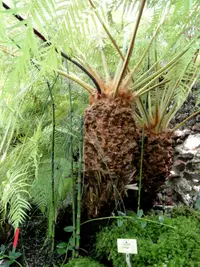
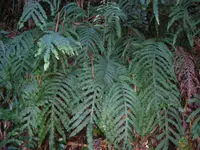
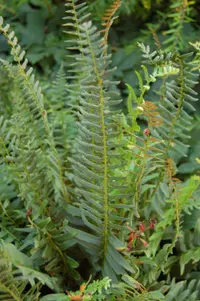
Trichomanes elegans is a delicate filmy fern known for its very thin, translucent fronds and fine, lacy texture. It forms soft, spreading clumps rather than upright fronds. In nature it grows in humid, shaded rainforests, usually on rocks, tree bases, or damp soil near streams and waterfalls. The plant depends on constant moisture in both air and substrate and is sensitive to drying out, which makes it more challenging than many common houseplants. Stable humidity, gentle airflow, and low light are key factors in how to care for Trichomanes elegans indoors.

Main Plant Requirements

Care Difficulty

Hard Care

Light Preference

Shade

Water Requirements

Keep Soil Moist

Temperature Preference

Tropical / Frost Sensitive

Hardiness Zone

11–12

Soil Texture

Peaty, Organic-rich, Loamy

Soil pH

Strongly acidic (4.5–5.5), Acidic (5.5–6.5)

Soil Drainage

Moist but well-drained

Fertilization

Light (every 4–6 weeks)

Get Personalized Care Plan

Scan your plant to receive care tips personalized for your specific plant

Available on iOS and Android

How to Care for the Trichomanes elegans

This delicate filmy fern needs low light levels that mimic a shaded forest floor.

  • Provide bright, fully shaded to deeply filtered light, such as under dense canopy or 1–2 hours of very soft early-morning sun, and avoid direct midday or afternoon sun.
  • Aim for sites receiving indirect light for 8–12 hours, for example on a forested north or east-facing slope with constant shade patterns.
  • If fronds of Trichomanes elegans turn pale, brown-tipped, or crisp, light is too strong; if growth is sparse and fronds stretch, the site is too dim and needs slightly more diffuse light.

This species requires consistently moist conditions that resemble a wet, shaded ravine.

  • Keep the root zone and surrounding substrate evenly moist; the surface should feel damp at all times and never dry out more than 0.5–1 cm.
  • Use a loose, humus-rich, sharply draining mix or substrate so water moves through quickly but moisture and humidity stay high around the roots and fronds.
  • In warmer months, increase watering or misting if fronds curl or feel papery; reduce slightly in cooler periods, and watch for yellowing, limp fronds and sour smell as signs of overwatering.

This filmy fern prefers cool to mild, stable temperatures with high humidity.

  • Ideal growth occurs around 60–75°F (16–24°C), with gentle daily fluctuations similar to shaded stream banks or ravines.
  • Protect the plant from temperatures below 50°F (10°C); prolonged exposure near this level slows growth, and light frost can quickly damage the thin fronds.
  • It tolerates short periods up to 80–85°F (27–29°C) if humidity is very high and air is still, but extended heat or drying winds cause rapid leaf scorch and desiccation.

This filmy fern demands very high, consistently stable humidity to survive indoors.

  • Aim for 80–95% humidity using an enclosed terrarium, cabinet, or covered case rather than open-room air.
  • Dry air causes crisp, translucent frond edges, stalled new growth, and rapid frond collapse starting at the tips.
  • Increase humidity with a closed-glass setup, fine-mist humidifier nearby, and water trays that raise ambient moisture without wetting fronds directly.

This fern requires a constantly moist, airy, organic-rich substrate that mimics wet mossy rock or log surfaces.

  • Use a fine-textured mix such as 50% sphagnum moss, 30% fine orchid bark, and 20% perlite to keep roots moist yet aerated.
  • Aim for slightly acidic conditions around pH 5.0–6.0, which support nutrient uptake and reduce stress for Trichomanes elegans.
  • Pack the mix loosely so water can move through, avoiding compaction that suffocates the delicate, shallow root system.
  • Avoid dense peat-only mixes, regular potting soil, or any substrate that stays waterlogged or dries out into a hard mass.

This species can be grown in containers when kept in a very humid, protected environment such as a terrarium.

  • Choose a wide, shallow container to spread the thin root system horizontally and keep the substrate surface evenly moist.
  • Use a container that fits inside a closed terrarium or humidity case so moisture levels stay stable around the foliage.
  • Select non-porous materials such as glazed ceramic or plastic to slow evaporation and reduce the risk of sudden drying.

This delicate filmy fern has modest nutrient needs, so light, careful feeding is sufficient.

  • Use a balanced liquid fertilizer (around 10-10-10) diluted to 1⁄4–1⁄2 strength to avoid root and frond burn.
  • Feed every 4–6 weeks during the warm growing season when new fronds are forming.
  • Skip or greatly reduce feeding in winter, when growth slows and nutrient demand is low.
  • If using organic options, apply a very thin layer of fine compost on the pot surface, keeping it off the crown.

Pruning Trichomanes elegans focuses on hygiene and maintaining an open, airy frond structure.

  • Trim only dead, yellowing, or damaged fronds at the base using small, sharp scissors or snips.
  • Carry out light cleanup at any time, with slightly more shaping at the start of active growth in spring.
  • Remove overcrowded inner fronds to improve air movement and reduce fungal risk.
  • Disinfect tools before and after use to limit disease spread on delicate tissues.

This fern prefers stable, humid conditions, so repotting is done infrequently and as gently as possible.

  • Look for roots circling the pot, water running straight through, or slowed growth as signs it needs more space.
  • Plan to repot every 2–3 years in early spring, just before strong growth resumes.
  • Shift into a pot only 2–3 cm wider, using a loose, moisture-retentive mix to limit shock.
  • Keep the root ball mostly intact, water with lukewarm water, and maintain high humidity for 1–2 weeks after moving.

Propagation of this filmy fern is possible but slow and best suited to patient, careful growers.

  • Spore propagation is most common; collect mature brown spore clusters and sow on sterile, consistently moist medium.
  • Start spore trays in late spring to summer under very high humidity, stable warmth (around 70–75°F), and low air movement.
  • Cover containers with a clear lid or plastic to maintain condensation, using filtered light to prevent overheating.
  • Division is rarely used and should only split large, healthy clumps, keeping sections small to avoid desiccation.

This species is frost-sensitive and needs stable, mild conditions during winter, especially in containers.

  • Grow Trichomanes elegans indoors or in a heated greenhouse where temperatures stay above 55°F in winter.
  • Keep the pot away from cold drafts, exterior doors, and single-pane windows that chill foliage.
  • Maintain high humidity with trays or humidifiers while avoiding cold, wet soil that can cause root issues.

Care Tips

Use capillary matting

Place the pot on capillary matting kept evenly moist so the root zone stays consistently damp without waterlogging and the fronds avoid splash damage from frequent overhead watering.

Create buffered microclimate

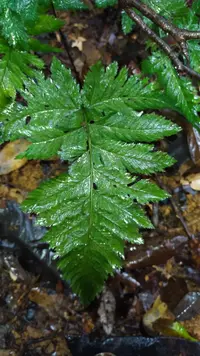
Stand the pot inside a larger cachepot or plastic tub lined with damp sphagnum moss or perlite to create a stable, high-humidity pocket of air around the fronds while keeping the actual root zone well aerated.

Install fine mist

If using a misting system, fit a very fine nozzle and set short, frequent pulses aimed above the plant so droplets fall like fog, which reduces leaf spotting and mechanical damage on the delicate tissue.

Bottom-heated propagation

When dividing or propagating, place new divisions on a heat mat set around 70–75°F with a clear cover to maintain warm, moist air, which greatly improves recovery and reduces transplant shock when growing Trichomanes elegans.

Use low-salt water

If tap water is hard or heavily treated, rotate with rainwater or filtered water and occasionally flush the substrate from above to prevent salt buildup that can scorch the extremely thin fronds over time.

Common Pests and Diseases

Fern aphids

These insects feed on the tender rachis and new fronds, causing distortion, pale patches, and sticky honeydew that can encourage sooty mold. Symptoms include curled or stunted young fronds and small soft-bodied insects along midribs or undersides of fronds.

Solution

Rinse colonies off with a gentle but thorough stream of water, then increase humidity and air movement to discourage rapid population growth while avoiding direct drafts. If needed, spot-treat clusters with insecticidal soap or a dilute neem oil spray, taking care to test on a small area first because this fern has delicate foliage.

Fern scale

This pest appears as tiny brown or off‑white bumps along stems and frond midribs, often blending into the fine texture of the plant. This pest sucks sap, leading to yellowing, thinning fronds and overall decline, especially in low‑humidity indoor setups.

Solution

Carefully scrape off visible scales with a cotton swab or soft brush dipped in diluted alcohol, then rinse foliage with lukewarm water. Improve humidity and reduce plant stress, and repeat targeted treatments with horticultural oil at low concentration over several weeks to catch newly emerged crawlers while monitoring for phytotoxicity on this thin-leaved fern.

Botrytis blight

This disease causes soft, water-soaked spots on fronds that quickly turn brown and may develop a gray fuzzy mold, especially in cool, stagnant, high‑humidity air. Symptoms include collapsing frond tips and a patchy, blighted appearance in dense clumps.

Solution

Remove and discard all affected fronds and any fallen plant debris, then improve air circulation around the plant while keeping humidity high but avoiding condensation on foliage. Water at the base in the morning so fronds dry quickly and, if the problem persists, apply a fern-safe fungicide labeled for Botrytis, following conservative rates due to the thin cuticle of this species.

Bacterial leaf spot

Symptoms include small, translucent, water‑soaked lesions on fronds that enlarge, darken, and may coalesce into irregular dead patches along the delicate leaf lamina. This disease spreads rapidly when water splashes between fronds in crowded, warm, enclosed environments used for Trichomanes elegans indoor care.

Solution

Isolate the plant, remove and discard affected fronds, and avoid overhead misting that wets the foliage directly. Water from below, increase gentle air movement, and sterilize tools and trays; in severe or recurring cases, consider replacing the most affected sections and restarting from clean, healthy divisions in fresh sterile substrate.

Rhizoctonia stem rot

This disease attacks the fine creeping rhizomes and lower stems, causing sunken brown lesions, collapse of the frond bases, and rapid wilt despite moist substrate. Symptoms include a thinning clump, sections of the mat turning brown, and sometimes fine webby fungal growth at the soil surface in overly warm, saturated mixes with poor aeration.

Solution

Trim out and discard all visibly infected rhizomes and fronds, then repot healthy sections into a fresh, airy, sphagnum‑rich mix with excellent drainage while avoiding compaction. Reduce watering frequency slightly, maintain high humidity through air moisture rather than wet substrate, and if the issue recurs, use a systemic fungicide appropriate for ferns to protect remaining healthy tissue.

Interesting Facts

Filmy one-cell leaves

The leaf blades of this filmy fern are only one cell layer thick, which makes them almost transparent and extremely delicate compared with most other ferns.

Waterfall and cave specialist

In nature it grows on constantly wet rock faces, near waterfalls, cave mouths, and stream banks where air humidity stays close to saturation and water is always available as a fine film on the substrate.

Exposed reproductive structures

Its fertile fronds bear long, narrow receptacles that protrude from the leaf margin, leaving sporangia and developing spores unusually exposed compared with many other fern species.

Botan icon

Did you know?

Trichomanes elegans is part of a lineage of so-called filmy ferns that represent some of the most moisture-dependent vascular plants, with several species known to lose viability rapidly if removed from their naturally saturated microclimates.

FAQs about Trichomanes elegans

This fern suits high-humidity indoor spaces like bathrooms or terrariums, provided light, moisture, and airflow are carefully controlled. Trichomanes elegans indoor care is easiest in closed or semi-closed glass containers that help maintain constant humidity levels.

Grow Healthy Plants with Botan Care

Keep your plants happy and healthy with plant identification, disease detection, and easy care guidance.


Botan plant care app — identify plants on mobile

Explore More Plants