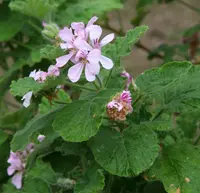
small-fruited clover Care (Trifolium patens)

small-fruited clover

About small-fruited clover

Small-fruited clover (Trifolium patens) is a small, herbaceous legume that forms low, leafy patches with slender stems and modest flower heads. It typically has trifoliate leaves and small seed pods, giving it a fine-textured look compared with many common clovers.

This species is native to parts of North America, where it often grows in open grasslands, meadows, and light disturbed areas. It adapts reasonably well in cultivation but can be short-lived if conditions are too wet or heavily shaded.

It generally prefers full sun, moderate soil moisture, and well-drained, not overly rich soils. Gardeners who learn how to care for small-fruited clover usually find it manageable in low-input, naturalistic plantings.

Main Plant Requirements

Care Difficulty

Moderate Care

Light Preference

Partial Sun

Water Requirements

Moderate Water

Temperature Preference

Cool Climate

Hardiness Zone

Unknown

Soil Texture

Loamy, Silty, Organic-rich

Soil pH

Slightly acidic (6.5–7.0)

Soil Drainage

Well-drained

Fertilization

Minimal (feed rarely)

Get Personalized Care Plan

Scan your plant to receive care tips personalized for your specific plant

Available on iOS and Android

How to Care for the small-fruited clover

Trifolium patens prefers bright conditions typical of open meadows and light grassland.

  • Provide 6–8 hours of direct sun daily, ideally with morning sun and light afternoon shade in hotter regions to reduce leaf scorch risk.
  • Plant in an open, unshaded spot; it tolerates light partial shade (3–4 hours sun), but stems may elongate and flowering decrease if light is too low.
  • In summer, monitor for pale, scorched leaflets as a sign of excessive afternoon sun; in winter, ensure small-fruited clover is not fully shaded by taller dormant vegetation.

Watering for Trifolium patens should aim for consistently moist but never waterlogged soil.

  • Before watering, check that the top 2–3 cm of soil have just started to dry; then water thoroughly so moisture reaches the full root zone.
  • Use well-drained soil or a site that does not hold standing water; yellowing, limp foliage and a sour smell indicate overwatering and poor aeration.
  • During cool seasons and rainy periods, reduce or skip irrigation, but in hot, dry spells water more often if foliage wilts and soil dries within 1–2 days.

This species prefers mild conditions and shows best growth in temperate climates.

  • Aim for active growth in 60–75°F (16–24°C); within this range Trifolium patens develops dense foliage and reliable flowering.
  • It tolerates brief drops to about 25°F (-4°C), but repeated hard frosts below this can damage crowns, especially in poorly drained, frozen soil.
  • In hot weather above 85°F (29°C), growth may slow; provide some afternoon shade and ensure soil does not dry out completely to avoid heat stress.

This species handles typical indoor humidity but benefits from moderately moist air in heated homes.

  • Aim for 40–60% humidity; small-fruited clover usually tolerates brief dips lower without damage.
  • Crisping leaflet edges and slowed growth during heating season can indicate air that is too dry.
  • Increase humidity locally with nearby water trays or grouped plants rather than misting foliage directly.

Trifolium patens prefers loose, moderately fertile mineral soil that drains freely yet retains some moisture.

  • Use a mix such as 50–60% loam or standard potting mix, 20–30% coarse sand, and 10–20% compost for structure and nutrients.
  • Ensure drainage is fast enough that water does not sit around the roots longer than 30–60 minutes after watering.
  • Aim for slightly acidic to neutral pH, around 6.0–7.0, to keep nutrient availability stable and avoid micronutrient lockout.
  • Avoid compacted, heavy clay or peat-dominant mixes; lighten them with coarse sand or fine gravel to improve aeration and prevent root oxygen shortage.

This clover is suitable for container growing when the pot is set up to avoid lingering moisture around the roots.

  • Choose a wide, shallow container to match its fibrous, spreading root system rather than a deep, narrow pot.
  • Use a potting mix that drains quickly so water passes through within seconds instead of pooling at the bottom.
  • Select a pot material with moderate breathability, such as unglazed clay, to reduce the risk of waterlogged conditions after rain.

Trifolium patens generally needs only light feeding on poor soils, especially when grown as small-fruited clover in pots or nutrient-poor beds.

  • Use a balanced liquid fertilizer (for example 10-10-10 NPK) at 1/4–1/2 strength every 4–6 weeks during active spring–summer growth.
  • In richer garden soil, rely mainly on thin layers of compost rather than frequent synthetic feeding.
  • Skip or very lightly feed in fall and winter, as growth slows and excess nutrients can cause weak, lush foliage.
  • Water before and after applying fertilizer to limit root burn and improve nutrient uptake.

Pruning Trifolium patens is minimal and aims to keep the clump tidy and flowering well.

  • In late spring to early summer, shear back spent flower heads and stalks to encourage fresh foliage and new blooms.
  • Remove dead, diseased, or storm-damaged stems whenever noticed, using clean, sharp scissors or hand pruners.
  • Thin out crowded patches by trimming or lifting small sections, which improves air flow and reduces foliar disease risk.
  • Avoid cutting into the crown; instead, trim above the leafy rosettes to maintain a natural, low mounded shape.

This species is more often transplanted in the garden than kept long-term in containers.

  • Transplant in early spring or early fall, when temperatures are mild and natural rainfall supports recovery.
  • Look for signs like crowded patches, bare centers, or roots circling a pot, which indicate the clump needs lifting and replanting.
  • Lift plants with a trowel, keeping a firm soil ball around roots, and replant at the same depth in well-drained soil.
  • Water thoroughly after transplanting, provide light shade for a few days if conditions are hot, and avoid heavy disturbance of the root mass.

New Trifolium patens plants are usually raised from seed, with division as a secondary method in established clumps.

  • Sow fresh seeds in early spring on the soil surface or barely covered, as light aids germination in many clovers.
  • Keep the seedbed evenly moist, not waterlogged, at roughly 60–70°F until germination and early seedling establishment.
  • For division, split healthy clumps in early spring, ensuring each piece has roots and several shoots, then replant promptly.
  • Reduce transplant shock by watering divisions well and providing moderate light and consistent moisture during the first few weeks.

This clover is generally cold hardy in temperate climates and needs only basic winter care in the ground.

  • In regions with freezing winters, apply a light mulch layer (2–5 cm) over the root zone after the soil cools but before deep frost.
  • Allow above-ground foliage to die back naturally; it insulates the crown and can be cut away in early spring if desired.
  • For container-grown plants in cold zones, move pots to a sheltered, unheated but frost-free area or against a protected wall.

Care Tips

Timed mowing regime

If grown in turf or meadow mixes, mow only after flowering and seed set, then raise the mower deck to 7–10 cm to allow regrowth from basal buds and maintain a healthy stand over multiple seasons.

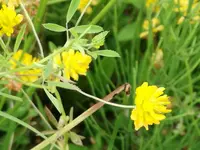
Targeted nodulation check

On an established patch, gently dig up 1–2 plants once a season and inspect roots for small pinkish nodules, re-inoculating with appropriate Rhizobium if nodules are absent or pale, to restore effective nitrogen fixation.

Patch renewal strategy

Every 2–3 years, lightly scarify a section of the planting and surface-sow fresh seed into the gaps to compensate for natural thinning and keep the population dense and vigorous.

Selective companion spacing

When mixing with grasses or other forbs, choose lower-vigor companions and maintain slightly wider spacing around plants so the relatively fine stems are not outcompeted for light and air movement.

Low-impact traffic management

In areas with foot traffic, define simple access paths with stepping stones or mulch strips to limit compaction of the root zone, which supports better root aeration and makes caring for small-fruited clover more predictable over time.

Common Pests and Diseases

Clover root weevil

This pest feeds on clover roots and nodules, leading to poor growth, yellowing foliage, and thinning patches in plantings.

Solution

Monitor for notched leaf edges on older leaves and dig around roots to check for larvae; reduce populations by encouraging predators such as ground beetles, rotating away from clover for 1–2 years, and using targeted soil-applied biological controls like entomopathogenic nematodes in heavily infested areas.

Clover cyst nematode

This pest is a microscopic worm that attacks roots, reducing nitrogen-fixing nodules and causing stunted, pale plants with weak stands.

Solution

Confirm presence with a soil test, then manage by rotating with non-host grasses or cereals for several years, avoiding moving infested soil, and improving soil organic matter to support beneficial microbes that suppress nematode populations.

Powdery mildew

This disease causes white, powdery fungal growth on leaves and stems, which can reduce photosynthesis and weaken small-fruited clover stands, especially in dense or shaded areas.

Solution

Improve air circulation by avoiding overly dense sowing, reduce overhead irrigation late in the day, and remove heavily infected foliage; in recurring cases, apply a registered fungicide labeled for clover and follow all label directions as part of broader Trifolium patens care.

Southern anthracnose

This disease produces dark, sunken lesions on stems and petioles, leading to lodging, dieback, and stand thinning in warm, humid conditions.

Solution

Remove or plow under infected crop residues, choose clean seed, and avoid repeated clover plantings on the same site; in high-pressure regions, time cutting or grazing to remove infected tops and consider resistant or less susceptible Trifolium species in rotations.

Bacterial blight

This disease causes water-soaked spots that turn brown or black on leaves and stems, sometimes leading to rapid wilting and dieback, especially after storms or mechanical injury.

Solution

Limit leaf wetness by irrigating early in the day, avoid working in fields when foliage is wet, and remove highly infected patches; use clean seed, improve drainage, and rotate away from clover for several years if severe outbreaks persist.

Interesting Facts

Moist mountain specialist

This species is native to moist montane habitats of the western United States, where it grows in open meadows and forest clearings at higher elevations rather than in lowland pastures typical for many other clovers.

Nodding flower heads

Its inflorescences are often slightly nodding and carried on relatively long stalks, giving the flower heads a loose, airy appearance compared with the denser, upright heads of more familiar clover species.

Narrow leaflets adaptation

The leaflets are noticeably narrower and more elongated than those of common pasture clovers, a form thought to help reduce water loss and cope with the drier air and higher light levels found in its upland habitats.

FAQs about small-fruited clover

Lack of flowers usually relates to low light, too much nitrogen fertilizer, or cutting growth too frequently. Allow some stems to mature, avoid heavy feeding, and ensure adequate outdoor light for reliable flowering when growing small-fruited clover.

Grow Healthy Plants with Botan Care

Keep your plants happy and healthy with plant identification, disease detection, and easy care guidance.

Botan plant care app — identify plants on mobile

Explore More Plants