little sweet Betsy Care (Trillium cuneatum)

Also known as: purple toadshade, large toadshade, wedge-petal trillium, bloody butcher
little sweet Betsy

About little sweet Betsy

Little sweet Betsy, Trillium cuneatum, is a spring-blooming woodland perennial native to the southeastern United States. It grows from an underground rhizome and returns each year.

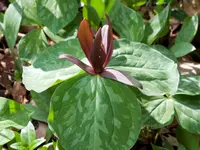
This trillium forms a low clump of three mottled leaves that frame a single upright, maroon to reddish-brown flower without a stalk. Plants spread slowly over time, creating small colonies in suitable conditions.

It naturally occurs in deciduous forests with rich, moist, but well-drained soil and dappled shade. Once established and left undisturbed, it is fairly long-lived, though slow to mature, so gardeners should care for little sweet Betsy with patience and minimal disturbance.

Main Plant Requirements

Care Difficulty

Moderate Care

Light Preference

Partial Shade

Water Requirements

Regular Water

Temperature Preference

Cool Climate

Hardiness Zone

4–8

Soil Texture

Loamy, Silty, Organic-rich

Soil pH

Acidic (5.5–6.5)

Soil Drainage

Moist but well-drained

Fertilization

Minimal (feed rarely)

Get Personalized Care Plan

Scan your plant to receive care tips personalized for your specific plant

Available on iOS and Android

How to Care for the little sweet Betsy

This woodland perennial prefers dappled light that mimics a deciduous forest floor.

  • Provide bright, filtered shade under deciduous trees, with 1–3 hours of gentle morning sun and no harsh afternoon sun in most climates.
  • In cooler regions, little sweet Betsy tolerates light, shifting sun; in warmer areas, use denser shade such as north or east sides of buildings or shrubs.
  • Too much direct sun causes leaf scorch and faded mottling, while too little light leads to weak, elongated stems and poor flowering.

This species prefers consistently moist, humus-rich soil that never becomes waterlogged.

  • Water when the top 2–3 cm of soil feels barely moist, aiming to keep the root zone evenly damp during active growth in spring.
  • Ensure soil drains freely with added leaf mold or compost; standing water or heavy clay greatly increases rhizome rot risk for Trillium cuneatum.
  • Reduce watering once foliage yellows and dies back in late spring or summer dormancy, but do not allow the soil to dry completely for extended periods.

This woodland trillium thrives in cool to mild conditions with pronounced seasonal changes.

  • Active growth is strongest at 50–70°F (10–21°C); it prefers cool spring temperatures and shaded locations that stay several degrees cooler than open ground.
  • Dormant rhizomes tolerate winter lows down to about 0°F (-18°C) when mulched, but prolonged freeze–thaw cycles without snow cover can damage buds.
  • In summer, protect from heat above 85°F (29°C) with deep shade and mulch to keep soil cool, as excessive heat stress shortens the growing period.

This woodland species prefers moderately moist air but usually adapts to typical outdoor humidity.

  • Aim for 50–70% humidity in shaded garden settings that mimic a forest floor microclimate.
  • Plants tolerate short dry spells, but prolonged very dry air combined with heat can cause leaf edges to brown and flower buds to abort.
  • To support little sweet Betsy in dry climates, use mulch over the root zone and position it among other plants to trap localized humidity.

Trillium cuneatum grows best in humus-rich, loose, consistently moist soil that mimics a deciduous woodland floor.

  • Use a loamy mix with high organic matter, such as garden loam blended with leaf mold or compost and fine pine bark for structure.
  • Ensure free drainage; the soil should stay evenly moist but never waterlogged, since standing water quickly leads to rhizome rot.
  • Target a slightly acidic to neutral pH around 5.5–7.0, which supports nutrient availability and healthy mycorrhizal fungi in the root zone.
  • Improve aeration and drainage in heavy clay by incorporating shredded bark, coarse compost, and a small amount of grit, avoiding dense peat-only mixes.

This species can be grown in containers, but long-term success is easier when the pot closely imitates cool, moist woodland soil conditions.

  • Choose a deep, heavy container that insulates the rhizomes and prevents tipping as stems and leaves reach full size in spring.
  • Fill the pot with a loose woodland-style medium, combining loam, leaf mold, and fine bark so water drains while roots remain cool and evenly moist.
  • Elevate the container slightly on feet or bricks outdoors so drainage holes stay clear and excess water escapes quickly after rain or irrigation.

Trillium cuneatum is a woodland perennial that needs only light feeding in suitable soil.

  • Use a thin layer of leaf mold or compost in early spring around emerging shoots, mimicking its natural forest habitat when caring for little sweet Betsy.
  • Apply a very dilute balanced liquid fertilizer (around 1/4 strength) once in mid-spring if growth appears weak.
  • Avoid fertilizing during summer dormancy and winter, as the plant rests and excess nutrients can stress the rhizomes.

Trillium cuneatum needs minimal pruning, mainly to keep the clump healthy and tidy.

  • Cut back only dead or damaged stems after foliage yellows and collapses in late spring or early summer.
  • Leave healthy leaves until they naturally die back so they can replenish the rhizomes for next year’s blooms.
  • Use clean, sharp scissors or hand pruners, cutting at soil level without disturbing the surrounding soil.

This trillium is usually grown in the ground and is best moved only when necessary.

  • Plan transplanting for late summer to early fall, once foliage has fully died back and the plant is dormant.
  • Lift clumps gently, keeping soil around rhizomes, and replant at the same depth in a shaded, humus-rich spot.
  • Water thoroughly after transplanting and keep soil evenly moist to limit transplant shock and root stress.
  • Avoid frequent moving; once settled, leave clumps undisturbed for many years unless overcrowded.

Trillium cuneatum propagation is slow and usually done by rhizome division or seed in patient collections.

  • Divide mature clumps in late summer dormancy, ensuring each section has at least one firm rhizome and bud.
  • Replant divisions immediately at the same depth in cool, moist, humus-rich soil with partial to full shade.
  • Sow fresh seed in shaded outdoor seed beds; allow natural cold stratification over 1–2 winters for germination.
  • Keep soil consistently moist, not waterlogged, and expect seedlings to take several years to reach flowering size.

This woodland species is cold hardy in much of its range and usually needs little special winter care.

  • Allow foliage to die back naturally; the underground rhizome tolerates typical freezes in USDA zones 5–8.
  • Apply a light mulch of leaves or shredded bark after soil cools to buffer temperature swings and preserve moisture.
  • For container plants in colder climates, move pots to an unheated but sheltered area to prevent repeated freeze–thaw cycles.

Care Tips

Mark Dormant Clumps

Place discreet labels or stones where the rhizomes sit before foliage dies back so you avoid disturbing or digging through the crowns when the plant is fully dormant in summer.

Protect Emerging Shoots

In late winter, gently mulch around but not over the emerging noses and use low temporary barriers or flags to prevent foot traffic or animal damage to the fragile new shoots.

Leaf Litter Management

Allow a thin layer of deciduous leaf litter to remain around plants for natural cooling and moisture retention, but remove heavy, matted layers in late winter so new growth can push through easily.

Divide Only When Necessary

If flowering declines or clumps become crowded, lift and divide rhizomes just as foliage yellows, replanting divisions at the same depth and spacing them 15–20 cm apart to reestablish healthy growth.

Rodent And Slug Control

Use buried wire mesh baskets in high-rodent areas and set out slug traps or hand-pick slugs after rain to prevent them from eating buds and young leaves while caring for little sweet Betsy.

Common Pests and Diseases

Slugs and snails

This pest feeds on young shoots and leaves, often in early spring when growth first emerges. Symptoms include irregular holes, shredded leaf edges, and slime trails on or near the plant.

Solution

Hand-pick slugs and snails in the evening or early morning, and reduce hiding spots such as dense leaf litter right next to crowns while still keeping general woodland mulch. Use iron phosphate bait placed away from the crowns, and if damage is severe, create physical barriers such as copper tape or grit around small planting areas to protect emerging shoots.

Aphids

These insects cluster on flower stalks and young leaves, sucking sap and causing distortion, curling, or stunted growth. Sticky honeydew may appear on foliage and can support black sooty mold growth.

Solution

Rinse colonies off gently with a firm stream of water, focusing on the undersides of leaves and stems. For persistent infestations, use insecticidal soap or a light horticultural oil applied in cool, calm weather, and encourage natural predators by avoiding broad-spectrum insecticides nearby.

Botrytis blight

This disease appears in cool, damp conditions as water-soaked spots on leaves and flowers that quickly become tan or brown and may develop fuzzy gray mold. Symptoms include collapsed stems or flowers that rot at the base and fall over.

Solution

Remove and dispose of affected leaves and flowers promptly, keeping debris out of the planting area. Improve air movement, avoid wetting foliage, and if spring weather remains very wet, a garden sulfur or other labeled fungicide can be used preventively on emerging shoots according to label directions.

Leaf spot

This disease causes small, circular to irregular brown or purplish spots on the leaves that can merge into larger patches late in the season. Symptoms include premature yellowing and early dieback of foliage in stressed or crowded clumps.

Solution

Cut and remove infected leaves at the end of the season to reduce overwintering spores, and maintain a light, clean mulch that does not press tightly against stems. Space plants so foliage can dry quickly after rain, water at soil level, and in recurrent cases consider a copper-based fungicide applied when new leaves first expand as part of Trillium cuneatum plant care.

Interesting Facts

Chocolate-scented flowers

The maroon flowers often produce a faint chocolate-like or fruity odor that attracts early spring pollinators such as beetles and small flies rather than bees.

Ant-dispersed seeds

Its seeds carry a fleshy food body called an elaiosome, which ants collect and carry back to their nests, effectively spreading the plant while feeding on the elaiosome.

Long-lived forest perennial

This woodland herb can take several years to reach flowering size from seed and individual clumps may persist for decades in stable, undisturbed deciduous forests.

Botan icon

Did you know?

This species shows a strong association with rich, calcareous soils in mature hardwood forests of the southeastern United States, so its presence is often used by botanists as an indicator of high-quality, relatively undisturbed woodland habitat.

FAQs about little sweet Betsy

Lack of blooms usually comes from plants being too young, planted too shallow or recently moved. Disturbance during summer dormancy, nutrient-poor soil, or dry spring conditions also reduce flower production, even when the foliage looks healthy.

Grow Healthy Plants with Botan Care

Keep your plants happy and healthy with plant identification, disease detection, and easy care guidance.


Botan plant care app — identify plants on mobile

Explore More Plants