Mulch Root Zone
Apply a 5–8 cm layer of pine bark or needle mulch over the root zone each spring, keeping it 5 cm away from the stems, to keep roots cool, suppress weeds, and maintain the acidic conditions this shrub prefers.

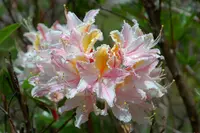
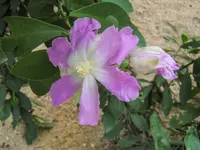
Western azalea, Rhododendron occidentale, is a deciduous shrub known for its showy, fragrant flowers in shades of white, cream, or pink with yellow or orange markings. It typically forms an open, multi-stemmed shape and brings a soft, woodland look to gardens.
This species is native to the western United States, mainly along streambanks, moist slopes, and forest edges in California and Oregon. It prefers cool roots, consistent moisture, and acidic, well-drained soil, which can make it a bit demanding in dry or hot regions.
Gardeners who learn how to care for western azalea often grow it successfully in partial shade with protection from harsh afternoon sun.

Care Difficulty
Moderate Care

Light Preference
Partial Shade

Water Requirements
Keep Soil Moist

Temperature Preference
Cool Climate

Hardiness Zone
6–9

Soil Texture
Sandy, Loamy, Organic-rich

Soil pH
Strongly acidic (4.5–5.5), Acidic (5.5–6.5)

Soil Drainage
Moist but well-drained

Fertilization
Minimal (feed rarely)
Scan your plant to receive care tips personalized for your specific plant
Available on iOS and Android
Rhododendron occidentale prefers bright conditions with gentle, filtered light rather than intense direct sun.
Rhododendron occidentale needs evenly moist, never waterlogged soil to support shallow, fibrous roots.
This species prefers mild, coastal-type climates without extreme heat or deep winter freezes.
This species prefers consistently moist air and reacts quickly to very dry conditions.
Rhododendron occidentale requires acidic, airy, and moisture-retentive soil that never stays waterlogged.
This species can be grown in containers if moisture and root space are managed carefully.
Rhododendron occidentale benefits from light, targeted feeding in poor or disturbed soils but often manages on nutrient-rich, organic ground.
Pruning Rhododendron occidentale is mainly corrective, aimed at maintaining health and a natural, open form.
This species is more often transplanted in the landscape than kept long term in containers, which can stress its fine roots.
Rhododendron occidentale propagation is achievable but somewhat slow, using cuttings, layering, or seeds depending on goals.
Mature plants show good cold tolerance within their native range but benefit from modest winter protection in harsher sites.

Plant Health Check
Not sure what's wrong with your plant? Check your plant's health inside the app.
This species is native to streambanks, seeps, and wet slopes from southwestern Oregon through California, often forming thickets in seasonally flooded or continuously moist soils where many other shrubs cannot persist.
Wild populations show striking variation in flower color and pattern, ranging from pure white to deep pink with yellow or orange blotches, and this natural diversity has made it an important parent in breeding fragrant deciduous azaleas.
Mature plants can resprout from the root crown after fire or physical damage and often recolonize disturbed alluvial sites, helping stabilize soil along dynamic mountain streams.

Rhododendron occidentale was one of the key North American species used in 19th- and 20th-century hybridization programs to introduce strong fragrance and large, showy flower trusses into many modern garden azaleas grown worldwide.
Lack of flowers often comes from too much shade, heavy pruning at the wrong time, or nutrient imbalance, especially excess nitrogen. Late frosts can also damage flower buds formed the previous season, reducing or preventing bloom.
Keep your plants happy and healthy with plant identification, disease detection, and easy care guidance.