


7 min read · 24 Aug 2026
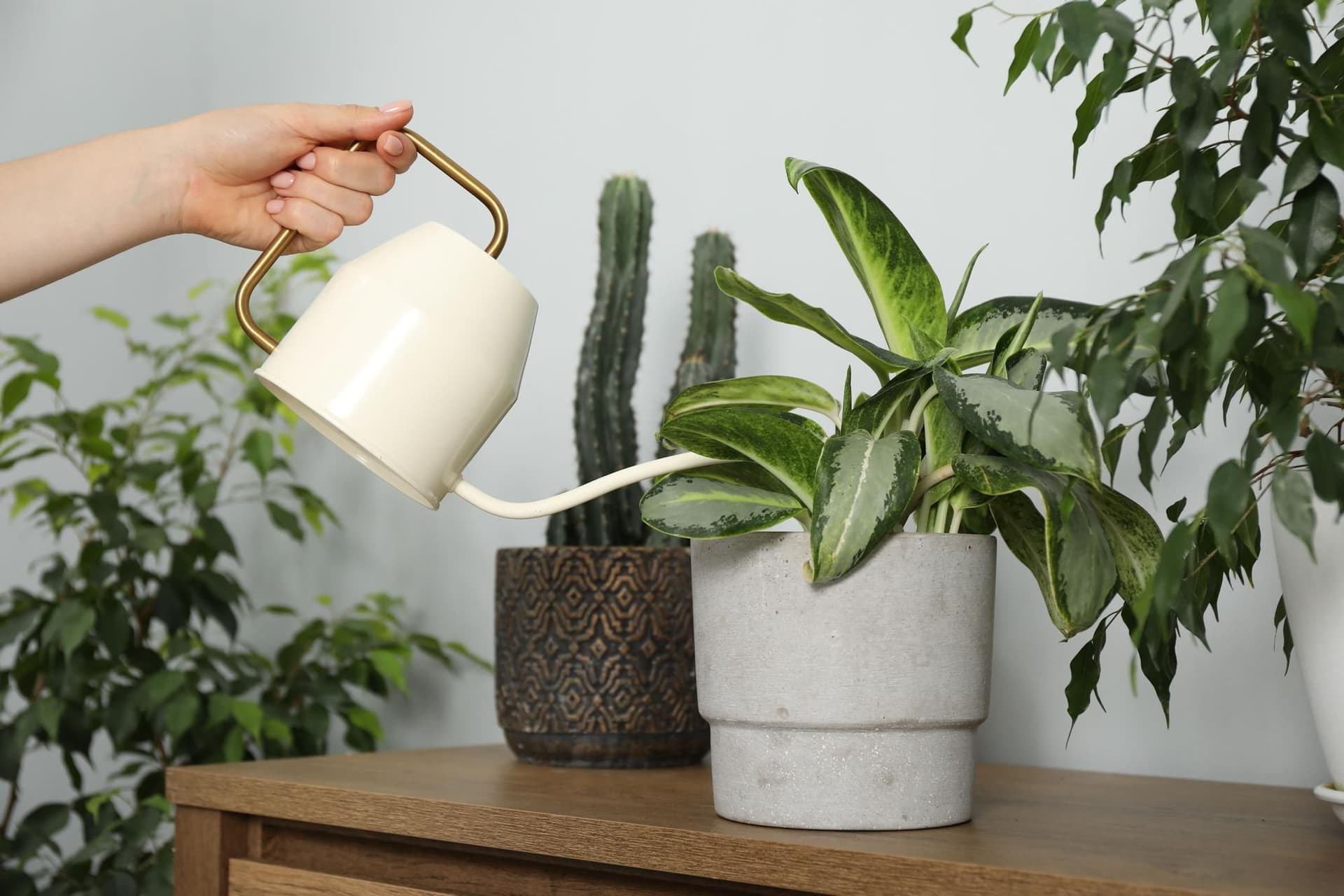
How to Water Houseplants: Watering Guide
Learn how often to water indoor plants, key factors for proper watering, and how to adjust the care routine by plant type, season, pot size, light, and indoor conditions.
Plant Care


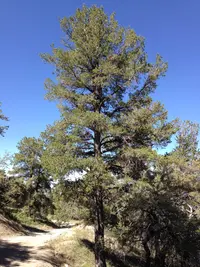
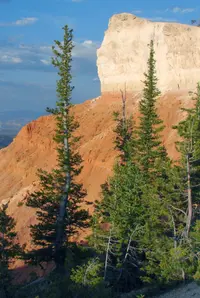
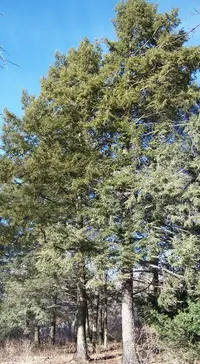
To recognize Western Hemlock, look for short, flat needles in two uneven ranks and a slender leader that often droops at the tip.
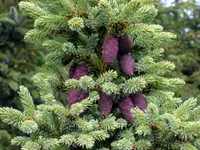
Small, hanging cones, usually about 3/4 to 1 inch long (2 to 2.5 cm), and a strongly tapering crown are reliable first-glance traits.
Upload a clear photo to check your plant identification with Botan.
Clear images work best. Avoid photos taken too close or too far away
Check the branch tips and needles first for a fast visual read.
A drooping top plus flat sprays and small hanging cones usually gives the clearest field check.
Western Hemlock shows clear age-related changes in crown shape, branching, bark, and cones.
Several named selections of Western Hemlock are identifiable by growth habit or needle color.
Western Hemlock stays green year-round, so the main seasonal clues are its small cones and spring growth. Pollen cones become visible in spring, and seed cones develop by late spring to early summer, hanging from the branch tips. In winter, the layered branching and drooping leader stand out more clearly because no new pale growth softens the outline. Older cones may still hang on some branches for a time.
A few conifers are often mistaken for Tsuga heterophylla.
mountain hemlock(Tsuga mertensiana)
Both have short, flat needles and small cones. Mountain hemlock has needles arranged all around the twig, giving a bottle-brush look. Tsuga heterophylla usually shows flatter, two-ranked needles and a more drooping leader.
Pacific silver fir(Abies amabilis)
Young trees can suggest a hemlock because of flat, dark green needles. Pacific silver fir has upright cones and smoother, more even needle rows. Hemlock cones hang down, and the branchlets often look finer and more feathery.
Tsuga heterophylla is native to the Pacific coast of North America, from southeastern Alaska through British Columbia, Washington, and Oregon to northern California, with inland populations in the northern Rockies. It is most often found in moist conifer forests, especially coastal rainforest and shaded mountain slopes, from near sea level to about 6,000 feet (1,800 m). Seeing a hemlock-sized conifer in cool, wet forests of this region helps narrow identification.

Quick Plant ID Check
Not sure what plant you have? Take a photo and identify it in the app
Use Botan to compare a photo and help identify or confirm the plant before you label it.
The quickest clue is the drooping leader at the top and flat sprays of short needles in uneven lengths. Needles show two bright white bands underneath, a strong aid in Western Hemlock identification.
Identify it from a photo with Botan, then review plant details, care information, and common problems matched to the result.

7 min read · 24 Aug 2026
Learn how often to water indoor plants, key factors for proper watering, and how to adjust the care routine by plant type, season, pot size, light, and indoor conditions.
8 min read · 16 Oct 2026
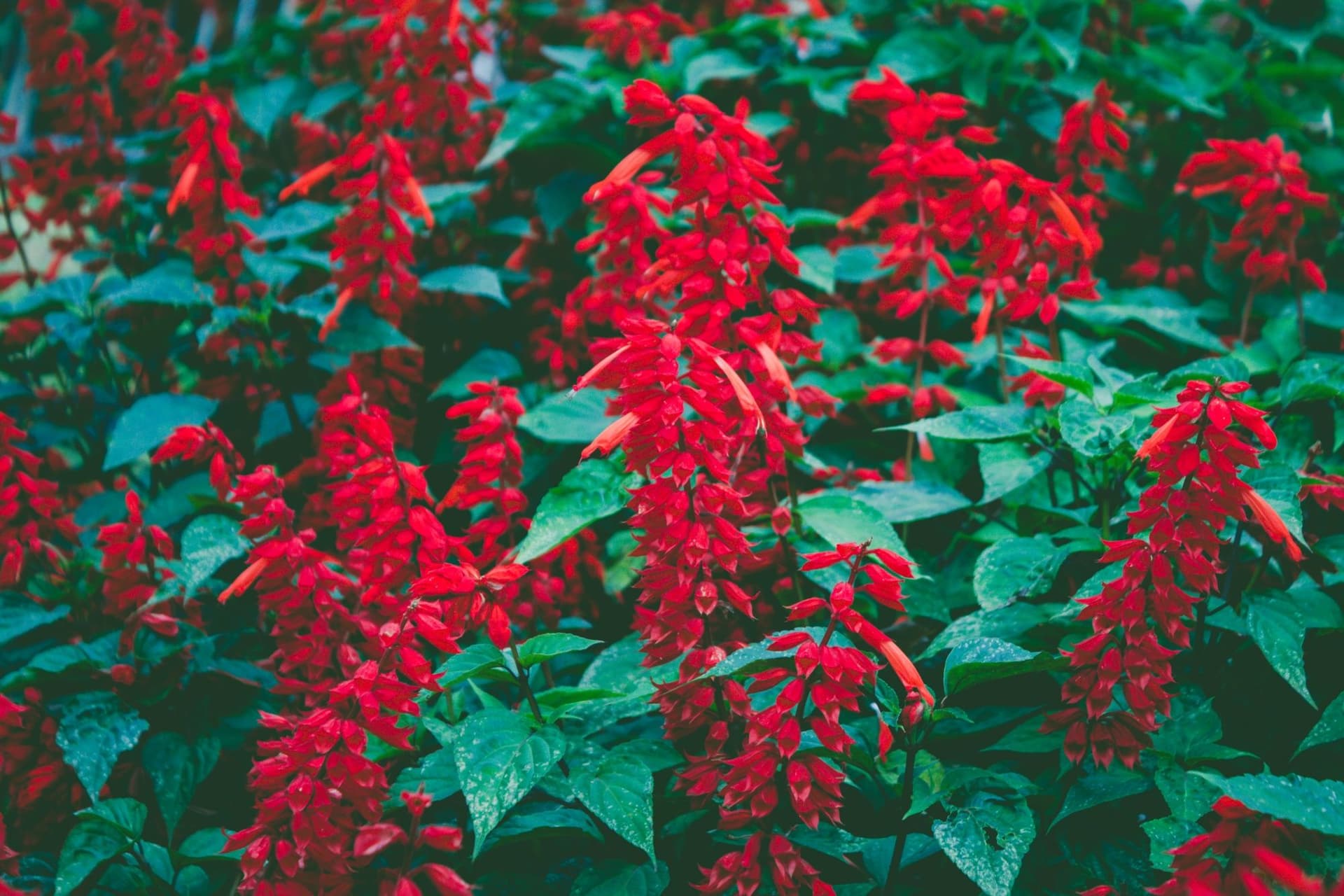
Some plants carry names that sound like jokes. This guide explains the origins of 20 funny plant names. You will also see which of these plants you can grow at home.
8 min read · 14 Aug 2026
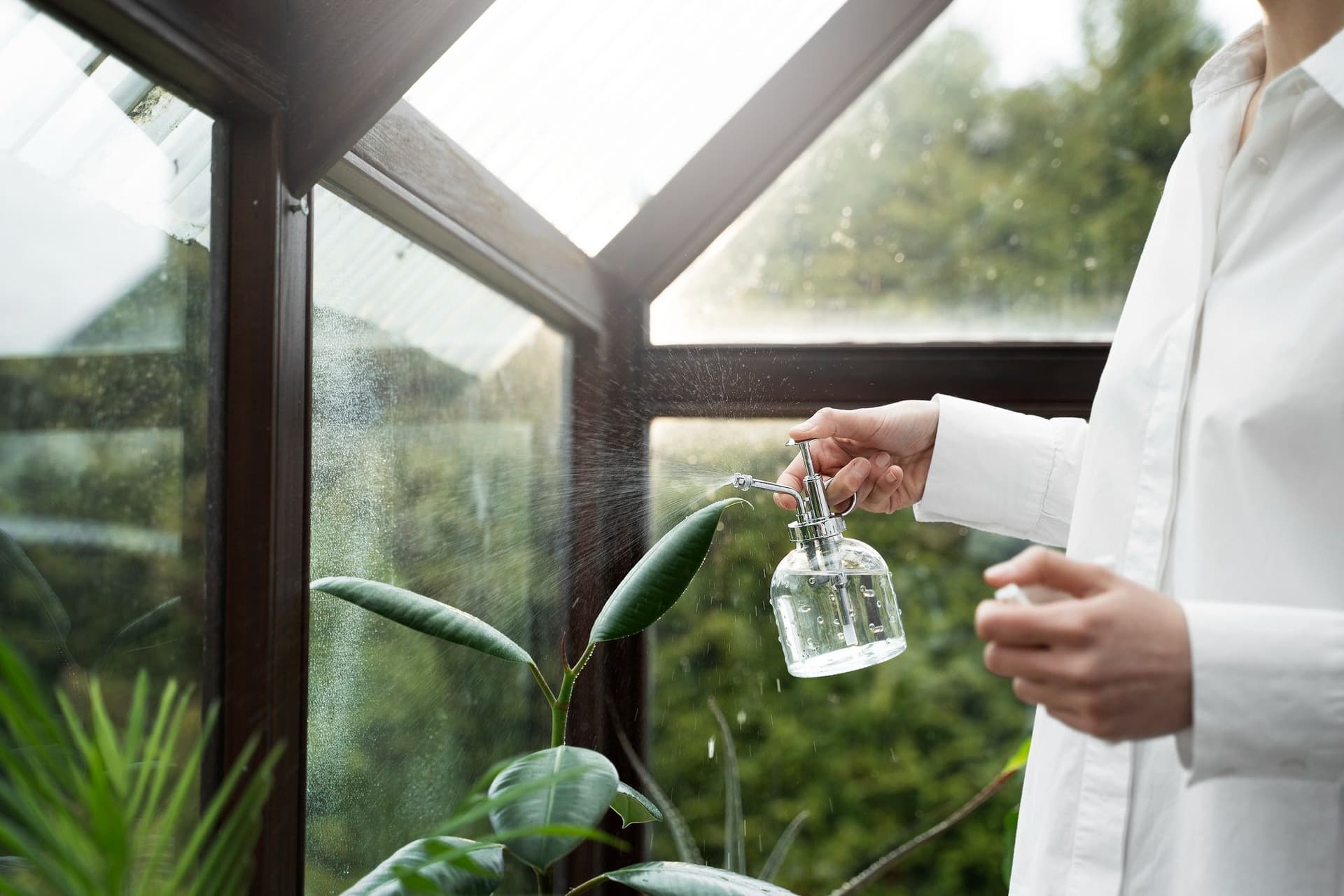
Dry indoor air stresses a lot of houseplants. You usually notice it first in the browning leaf tips. This guide describes 8 simple ways to raise the moisture around your plants, from humidifiers to pebble trays.