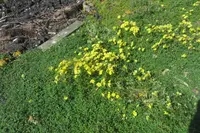
White Alder Care (Turnera subulata)

Also known as: Politician's Flower, White Butter Cup, Cuban Buttercup
White Alder

About White Alder

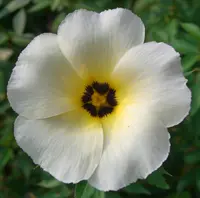
White alder, Turnera subulata, is a small flowering shrub often grown as a compact ornamental in warm and tropical climates. It is valued for its creamy white flowers with a dark center, which open during the day and attract pollinators.

In nature it occurs in parts of South America and has adapted well to similar climates in other regions. It tends to form a low, bushy habit and can bloom over a long season in suitable conditions.

This plant is generally considered easy to grow, as it tolerates heat, moderate dryness, and poorer soils if drainage is good. Gardeners who learn how to care for White Alder usually find it responds well to regular light and consistent but not excessive moisture.

Main Plant Requirements

Care Difficulty

Easy Care

Light Preference

Full Sun

Water Requirements

Moderate Water

Temperature Preference

Tropical / Frost Sensitive

Hardiness Zone

9–11

Soil Texture

Sandy, Loamy, Organic-rich

Soil pH

Acidic (5.5–6.5), Slightly acidic (6.5–7.0)

Soil Drainage

Well-drained

Fertilization

Light (every 4–6 weeks)

Get Personalized Care Plan

Scan your plant to receive care tips personalized for your specific plant

Available on iOS and Android

How to Care for the White Alder

Turnera subulata thrives with strong light to support compact growth and flowering.

  • Provide 4–6 hours of direct sun daily, ideally gentle morning sun with light afternoon shade in hotter regions.
  • Tolerates bright partial shade, but in too much shade White Alder produces fewer flowers, longer stems, and paler foliage.
  • In summer, protect from harsh mid-afternoon sun in hot climates to reduce leaf scorch; in cooler seasons, choose the brightest, sunniest position available.

This plant prefers consistently moist but not waterlogged soil.

  • Allow the top 2–3 cm of soil to dry before watering, using enough water so it drains freely from the root zone rather than pooling on the surface.
  • In hot, dry weather, water more often as leaves begin to lose slight firmness; in cooler or rainy periods, extend the interval between waterings.
  • Watch for yellowing, soft leaves and sour-smelling soil as signs of overwatering, and dry, curling leaves plus very light soil as signs of underwatering in Turnera subulata.

This warm-climate shrub performs best in mild to hot conditions without frost.

  • Aim for daytime temperatures around 70–86°F (21–30°C) for strongest growth and flowering, with slightly cooler nights.
  • Protect the plant when temperatures drop near 40°F (4°C); foliage and stems are easily damaged by frost and prolonged cold.
  • During heat waves above 95°F (35°C), extra shade and soil moisture help prevent stress, leaf scorch, and premature flower drop.

Turnera subulata manages well in typical indoor humidity but benefits from slightly moist air.

  • Aim for 40–60% humidity; the plant tolerates brief dips lower but sustained very dry air can slow growth.
  • Crisping leaf edges, curling, and stalled flowering indicate humidity stress combined with underwatering or strong sun.
  • Increase humidity by grouping pots, placing the container on a pebble tray with water below the pot base, or running a small nearby humidifier for White Alder.

Turnera subulata prefers light, fast-draining soil that never stays waterlogged.

  • Use a loose sandy or loamy mix, such as 50–60% potting mix with 20–30% coarse sand and 10–20% perlite for structure and aeration.
  • Keep pH slightly acidic to neutral (pH 6.0–7.0), avoiding strongly acidic or alkaline media that can limit nutrient uptake.
  • Ensure rapid drainage by avoiding high clay content and minimizing heavy peat that compacts and holds excess water around the roots.
  • Improve structure in dense mixes by blending in fine bark or extra perlite to create air pockets and prevent root suffocation after watering.

This species is suitable for container growing when the pot supports its spreading, shrubby habit.

  • Choose a wide, moderately deep container to give lateral roots room while preventing the plant from becoming top-heavy in wind.
  • Select a sturdy pot material like ceramic or thick plastic outdoors to keep the root zone more stable in heat and direct sun.
  • Raise the pot slightly on feet or bricks so drainage holes clear the ground and excess water can exit quickly after rain or watering.

Turnera subulata responds well to modest feeding during the active growing season.

  • Use a balanced liquid fertilizer (such as 10-10-10) at 1/2 strength every 4–6 weeks in spring and summer.
  • Alternatively, apply a light layer of compost or a low-dose slow-release fertilizer at the start of spring.
  • Reduce feeding to 1 light application or none in winter, as growth slows and excess nutrients can cause weak, leggy growth.
  • In caring for White Alder relatives outdoors, prioritize soil quality and drainage over frequent fertilization.

Pruning helps Turnera subulata maintain a tidy shape and support strong flowering.

  • Carry out main pruning in late winter or early spring before vigorous new growth starts.
  • Remove dead, damaged, crossing, or crowded stems with clean, sharp hand pruners or snips.
  • Shorten overly long shoots by up to 1/3 to keep a compact, bushy form and encourage more flowering wood.
  • Lightly trim spent flowered tips through the season to promote branching and extend blooming.

This species is more often grown in the ground, but container plants benefit from occasional repotting or transplanting.

  • Look for roots circling the pot, pushing through drainage holes, or noticeably slowed growth as signs it needs a larger container.
  • Aim to move or transplant in spring when conditions are mild and root growth can resume quickly.
  • Step up only 1 pot size, using a well-drained mix, and keep the root ball intact to limit stress.
  • Water thoroughly after moving, keep in bright but not harsh sun for 3–5 days, and avoid heavy feeding until new growth appears.

Turnera subulata is commonly propagated from both seeds and softwood cuttings.

  • Sow fresh seeds in late spring in a light, well-drained seed mix kept at 70–75°F with consistent, gentle moisture.
  • Take 8–10 cm softwood cuttings in late spring or early summer from non-flowering shoots.
  • Remove lower leaves, dip the cut end in rooting hormone, and place in a moist, airy mix under bright, indirect light.
  • Maintain high humidity around cuttings with a loose cover and allow good air flow to prevent rot.

This warm-climate shrub is frost-sensitive and needs protection in cooler regions.

  • In USDA zones below 9, grow in containers and move indoors or into a frost-free greenhouse before temperatures drop near 32°F.
  • Outdoors in mild climates, apply a 5–8 cm mulch around the root zone to buffer soil temperature.
  • Keep foliage and stems away from direct contact with wet, freezing materials to reduce rot and breakage.
  • Reduce watering in winter, keeping the soil just lightly moist so cool, saturated conditions do not damage roots.

Care Tips

Encourage branching

Pinch back soft shoot tips once plants are 15–20 cm tall to create a bushier form with more flowering sites and to prevent lanky, wind-prone stems.

Use reflective mulch

In hot, bright climates, apply a light-colored gravel or pale stone mulch around the root zone to keep soil temperature more stable and reduce mud splash that can spread foliar diseases.

Manage seed spread

Deadhead spent flowers before seed capsules mature if self-seeding is not desired, or collect the capsules in small paper bags as they brown to save seed for controlled sowing.

Support in windy sites

In exposed gardens, insert low, discreet pegs or small hoops around the plant to keep stems upright and prevent breakage during storms without shading the foliage.

Plan for renewal

In regions with mild winters, replace older, woody plants every 3–4 years from cuttings or saved seed, as younger plants flower more heavily and maintain a neater shape than aging specimens.

Common Pests and Diseases

Spider mites

This pest feeds on the undersides of leaves, causing fine yellow speckling, dull foliage, and delicate webbing during warm, dry weather.

Solution

Spray the plant thoroughly with a strong stream of water to dislodge mites, then apply insecticidal soap or horticultural oil to leaf undersides every 5–7 days until new growth appears clean; increase humidity slightly and avoid letting the plant dry out severely, as this favors mite outbreaks.

Whiteflies

These insects cluster on young leaves and shoot tips, causing leaf yellowing, sticky honeydew, and reduced flowering when populations build up.

Solution

Shake the stems to flush adults into the air, then use yellow sticky traps to monitor and reduce numbers; treat leaf undersides with insecticidal soap or neem oil in the early morning, repeating weekly until the population is controlled and new foliage develops normally.

Aphids

This pest gathers on tender shoots and buds, sucking sap and distorting young leaves while leaving sticky honeydew that can attract sooty mold.

Solution

Rinse infested shoots with water to remove most insects, then spot-treat remaining colonies with insecticidal soap or neem oil, paying attention to the undersides of leaves and flower buds; prune and discard heavily infested tips to protect developing flowers and encourage healthy new growth in line with general Turnera subulata plant care.

Leaf spot

This disease causes small brown or tan spots that may enlarge, merge, and lead to premature leaf drop, especially in warm, humid conditions or on crowded plants.

Solution

Remove and discard affected leaves and any fallen debris around the base, then improve air circulation and avoid wetting the foliage when watering; in persistent cases, apply a copper-based or chlorothalonil fungicide according to label directions, focusing on new leaves during humid spells.

Powdery mildew

This disease appears as white, powdery patches on upper leaf surfaces and young shoots, which can lead to leaf distortion and reduced flowering if not controlled.

Solution

Increase light and airflow around the plant, water at the soil level, and remove heavily infected leaves; treat remaining foliage with a potassium bicarbonate, sulfur, or neem oil product labeled for powdery mildew, repeating at 7–10 day intervals until new growth emerges clean.

Interesting Facts

Morning-opening flowers

The pale yellow flowers typically open in the morning and start to close by early afternoon, following a daily rhythm driven by light and temperature. Each individual flower lasts only about 1 day, but the plant produces many blooms over a long season in warm climates.

Dark eye and scent

The flowers have a distinct dark brown to almost black center that contrasts strongly with the pale petals, helping guide pollinators to the nectar source. The blooms are also lightly fragrant, which, together with their coloration, attracts bees and other daytime pollinators.

Short-lived perennial habit

In frost-free regions this species often behaves as a short-lived perennial shrub, forming a small, woody framework and flowering repeatedly over several years. In cooler climates it is more often grown as an annual because it does not tolerate prolonged cold or freezing conditions.

Botan icon

Did you know?

This species shows a form of floral dimorphism known as heterostyly, where flowers on different individuals have styles and stamens of differing lengths; this arrangement promotes cross-pollination between plants and reduces self-fertilization.

FAQs about White Alder

Sparse or absent flowers usually result from insufficient light, depleted soil nutrients, or heavy pruning at the wrong time. Ensure strong light, modest fertilization during active growth, and avoid cutting young flowering shoots. This supports better Turnera subulata care.

Grow Healthy Plants with Botan Care

Keep your plants happy and healthy with plant identification, disease detection, and easy care guidance.

Botan plant care app — identify plants on mobile

Explore More Plants