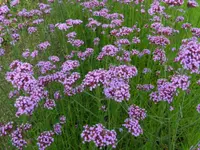




Purpletop vervain (Verbena bonariensis) Light Needs

Purpletop vervain grows best in full sun, with long, bright exposure for sturdy stems and steady flowering.

Light Preference

Full Sun

Verbena bonariensis Light Requirements

In its native South American range, this species grows in open grasslands, field edges, and disturbed sunny sites where taller stems rise above surrounding vegetation. These habitats receive long, direct sun and strong seasonal light rather than woodland shade.

Garden performance follows that pattern. Stems stay stronger and flowering is heavier when light is open and direct. Preferred light is full sun.

  • Ideal exposure:

    Purpletop vervain needs about 6–8 hours of full sun daily, with at least 6 hours of direct sun for best flowering.

  • Full sun tolerance:

    Established plants tolerate all-day sun in most temperate gardens when they are not moved suddenly from shade.

  • Partial sun:

    Four to 6 hours of direct sun can keep the plant alive, but stems may stretch and bloom less.

  • Shade risk:

    Shade is not suitable; weak light usually leads to floppy growth and sparse flowers.

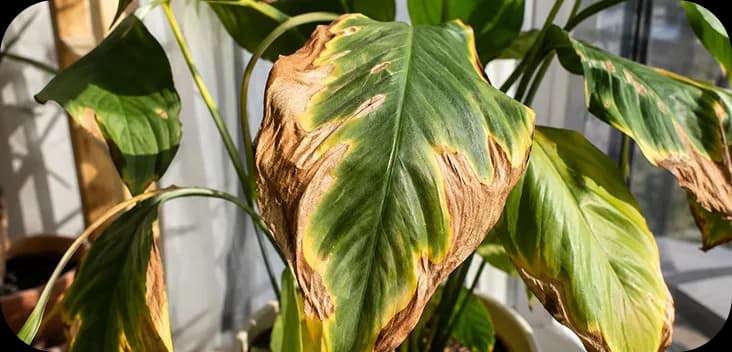
Strong sun is usually tolerated, but sudden exposure can cause stress.

Pale scorch patches:

Leaves may develop dry tan or whitish areas after a rapid move into intense afternoon sun.

Papery tips:

Tender shoot tips can look dry and thin when heat and direct sun increase before the plant has hardened off.

Fast flower fading:

Blooms may fade faster during very hot, exposed spells, especially in reflected heat.

Midday flagging:

Stems may droop during the hottest hours in severe heat, then recover when light intensity drops.

Shift container-grown plants to morning sun for a few days, or add light midday shade during heat waves. Reintroduce stronger sun over 7–10 days.

Low light affects shape and flowering before it affects survival.

  • Stretched stems:

    New growth may become taller and thinner, with wider spacing between leaves.

  • Leaning growth:

    Stems often angle toward the brightest side instead of staying upright and open.

  • Fewer flowers:

    Blooming may slow or become sparse because the plant is not receiving enough direct sun.

  • Smaller growth:

    New leaves and shoots can stay smaller than usual during the active growing season.

Move the plant to a brighter outdoor position with more direct sun. Increase exposure over several days if it has been in shade for a long period.

Choose the sunniest garden or patio position available when full-day sun is not possible. A spot with direct morning sun and some early afternoon sun is the best compromise for Verbena bonariensis light needs.

Trim or move nearby objects that cast shade over the plant during peak daylight. Rotate containers every week so all sides receive similar exposure.

Avoid deep shade under structures or dense plantings. It usually produces tall, weak stems and limited bloom.

Get Personalized Care Plan

Scan your plant to receive care tips personalized for your specific plant

FAQ

This plant performs best in full sun, meaning long, direct outdoor light for most of the day. Partial sun is tolerated, but flowering and stem strength are usually better with brighter exposure.

More Plant Light Guides

Get the Botan App

Discover how to care for your plants with Botan.

Botan app identifying a plant with a phone camera
Best Time to Water Grass in Summer – Lawn Watering Tips

5 min read · 21 Jul 2026

Best Time to Water Grass in Summer – Lawn Watering Tips

Summer watering is easy to get wrong. This guide explains when to turn on your sprinkler, how much liquid your grass needs each week, and how to tell if you're overwatering or underwatering.

Plant Care
Best Time to Water Grass in Summer – Lawn Watering Tips
How to Mist Plants – Proper Technique and Common Mistakes

7 min read · 30 Jul 2026

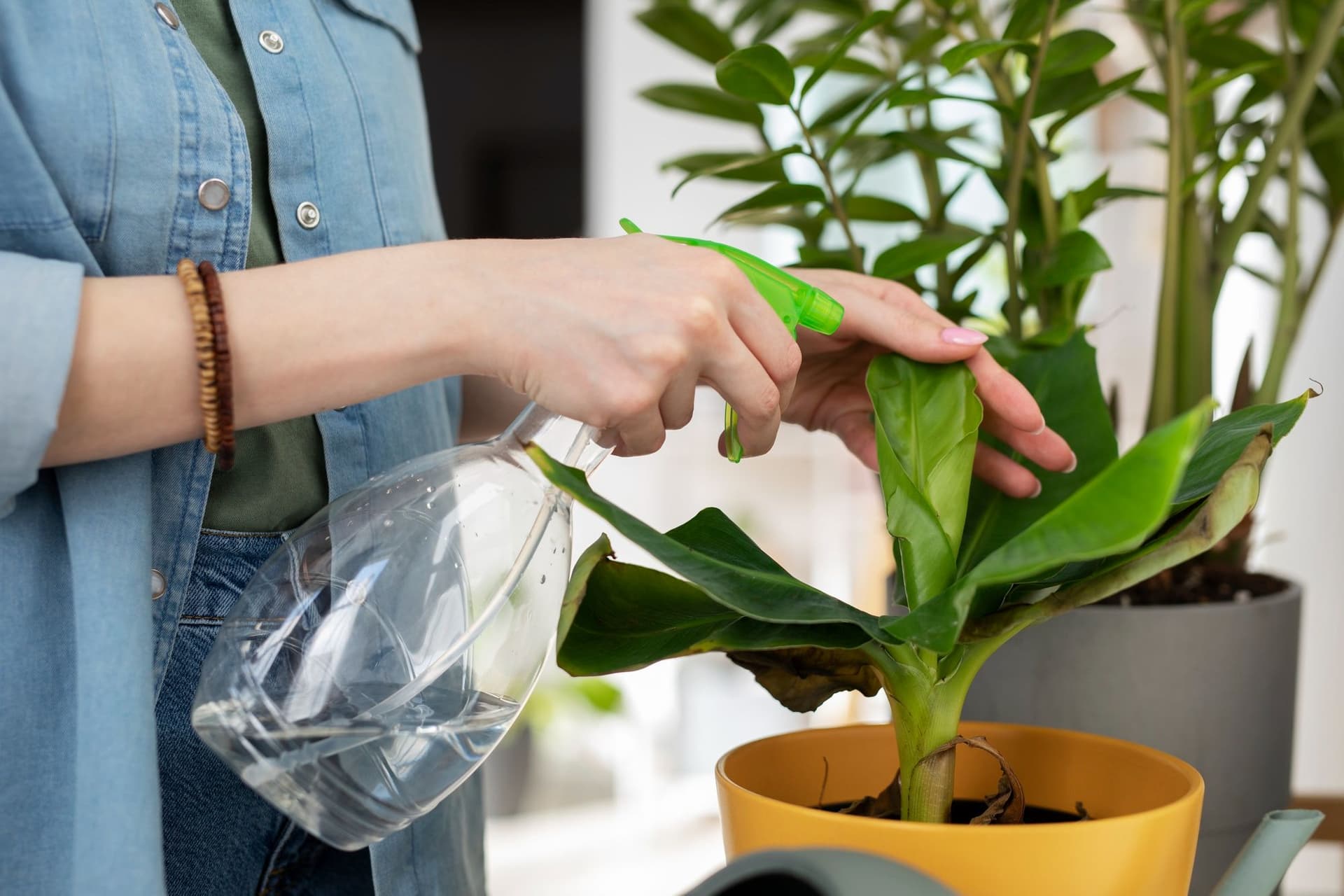
How to Mist Plants – Proper Technique and Common Mistakes

Find out when misting works well and when to avoid it. Here, you’ll find detailed information about compatible and incompatible species, tips on how often to mist plants and do it correctly, and some great alternatives for raising humidity.

Beginner Guides
How to Mist Plants – Proper Technique and Common Mistakes
Rice Water for Plants – Which Plants Love It and How to Make It

8 min read · 14 Jul 2026

Rice Water for Plants – Which Plants Love It and How to Make It

Rice water can be an ideal DIY solution for orchids, roses, or fruiting plants. It supports growth, leaf count, and height. We’ll share how to make and apply it correctly for your plant.

Plant Care
Rice Water for Plants – Which Plants Love It and How to Make It