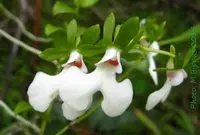
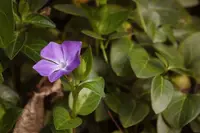
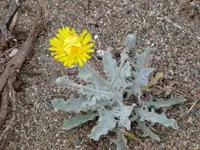
Veronica krylovii Care

About Veronica krylovii

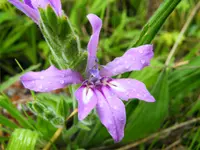
Veronica krylovii is a perennial flowering plant in the plantain family, valued mainly as a hardy ornamental. It typically forms low, clumping growth with slender stems and narrow leaves, producing small, delicate flowers in loose spikes.

This species is native to parts of Central Asia, where it grows in open, often rocky or steppe habitats with good drainage. Its natural tolerance for poor, well-drained soils and variable moisture makes it relatively easy to establish in temperate gardens.

Gardeners who care for Veronica krylovii usually find it undemanding if given sun to light shade and soil that does not stay waterlogged.

Main Plant Requirements

Care Difficulty

Moderate Care

Light Preference

Full Sun

Water Requirements

Moderate Water

Temperature Preference

Cool Climate

Hardiness Zone

Unknown

Soil Texture

Loamy, Sandy

Soil pH

Acidic (5.5–6.5), Slightly acidic (6.5–7.0)

Soil Drainage

Well-drained

Fertilization

Minimal (feed rarely)

Get Personalized Care Plan

Scan your plant to receive care tips personalized for your specific plant

Available on iOS and Android

How to Care for the Veronica krylovii

This sun-loving perennial performs best in bright, open garden conditions.

  • Provide 6–8 hours of direct sun daily, with morning sun and light afternoon shade preferred in hotter regions.
  • It tolerates light partial shade (around 3–4 hours sun), but Veronica krylovii may flower less and grow looser in low light.
  • In summer, protect from intense late-afternoon sun in hot climates to reduce leaf scorch; in cooler climates, full sun all day is usually suitable.

This plant prefers consistent moisture but dislikes waterlogged soil.

  • Allow the top 3–5 cm of soil to dry before watering; soil below should stay slightly moist, not saturated.
  • Increase watering during active growth and bloom in spring–summer, then reduce once growth slows in late fall, relying more on natural rainfall where climate allows.
  • Watch for underwatering signs like wilting and dry, crisp leaves, and overwatering signs such as yellowing foliage and soft or rotting stems, especially in poorly drained spots.

This hardy perennial tolerates cool conditions but grows best in moderate temperatures.

  • Optimal growth occurs around 60–75°F (16–24°C), supporting steady foliage development and flowering.
  • Mature plants typically survive down to about 0°F (-18°C) with mulch protection; young plants benefit from extra insulation in their first winter.
  • In summer, it manages short periods around 85–90°F (29–32°C) if soil stays evenly moist; prolonged heat with dry soil can stress plants and reduce flowering.

This plant handles a fairly wide humidity range but benefits from moderately moist air.

  • Aim for 40–60% humidity, which suits Veronica krylovii in most homes and sheltered outdoor spots.
  • It tolerates short dry-air periods, but prolonged humidity below 30% can lead to crisp leaf edges and slower growth.
  • Increase humidity with a nearby pebble tray or grouped plants rather than misting, which adds little lasting moisture.

This species prefers evenly moist, well-drained mineral soil that does not stay waterlogged.

  • Use a loamy mix with moderate organic matter, such as garden loam blended with compost and coarse sand.
  • Ensure rapid drainage; standing water around the roots encourages rot and weak, shallow rooting.
  • A slightly acidic to neutral pH of 6.0–7.2 supports nutrient availability and stable growth for Veronica krylovii.
  • Improve aeration and structure in heavy clay by incorporating coarse sand or fine grit at 20–30% of the volume.

This species can grow well in containers if moisture and root space are carefully managed.

  • Select a pot at least 25–30 cm deep so roots can spread downward without circling tightly near the base.
  • Choose a heavier material such as ceramic or clay to keep the container stable against wind and vigorous top growth.
  • Use a fast-draining mix and elevate the pot slightly on feet or bricks to keep drainage holes clear and prevent soggy bases.

This perennial usually manages on modest nutrition, but light feeding improves flowering and vigor in Veronica krylovii.

  • Use a balanced, water-soluble fertilizer (for example 10-10-10) at 1/2 strength for container or poor-soil plants.
  • Apply every 4–6 weeks during the active growing season, after soil is already moist.
  • In garden beds with decent soil, supplement with a thin layer of compost in spring instead of frequent liquid feed.
  • Stop feeding in late summer and avoid fertilizing through fall and winter to prevent soft, frost-prone growth.

Thoughtful pruning keeps Veronica krylovii compact, tidy, and flowering well.

  • Best time is late winter or very early spring before new growth starts in earnest.
  • Use clean hand pruners to remove dead, damaged, or diseased stems back to healthy tissue.
  • Thin congested shoots near the base to improve air flow and reduce fungal problems.
  • Shear or deadhead finished flower spikes in summer to encourage a neater shape and potential rebloom.

This species is more often grown in garden beds, so focus on transplanting young Veronica krylovii plants carefully.

  • Transplant in early spring or early fall, when temperatures are mild and soil is workable.
  • Look for signs like slow growth, roots circling inside small plugs, or plants heaving out of shallow soil.
  • Prepare a well-drained site, disturb roots gently only enough to loosen circling strands, and replant at the same depth.
  • Water thoroughly after moving, then keep soil lightly moist for 1–2 weeks to limit transplant shock.

Gardeners usually expand Veronica krylovii plantings through division or cuttings rather than seed.

  • Divide established clumps in early spring, replanting healthy sections with several shoots and firm roots.
  • Take 6–8 in softwood or semi-ripe stem cuttings in late spring to midsummer, removing lower leaves.
  • Insert cuttings into a free-draining mix, keep evenly moist, and maintain high humidity with bright, indirect light.
  • Sow fresh seed in trays with well-drained medium, providing cool to mild temperatures and light for even germination.

This hardy perennial typically overwinters well in temperate climates and needs only minimal winter care.

  • Plants in the ground tolerate normal frosts once established, especially in well-drained soil.
  • After the first hard frost, cut back spent stems to a few cm above soil level if desired.
  • Add a 3–5 cm mulch layer around the crown in colder areas, keeping mulch slightly away from stems.
  • Move container plants into a sheltered, unheated area to reduce freeze-thaw stress on roots.

Care Tips

Pinch For Bushiness

Pinch back the soft tips of new stems in late spring to encourage branching and create a denser, more flower-heavy clump rather than a few tall, floppy spikes.

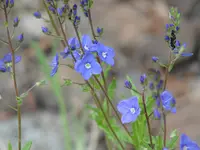
Install Discreet Support

In windy or exposed sites, place a low ring stake or short grid support around the plant in early spring so stems grow up through it, preventing lodging and stem breakage once the flower spikes elongate.

Mulch To Stabilize

Apply a 3–5 cm layer of fine, composted bark or similar mulch around but not touching the crowns to keep roots cool, reduce soil splash on lower leaves, and limit weed competition.

Deadhead In Stages

Shear or snip off spent flower spikes in 2–3 passes as they fade, which directs energy into new lateral flowering shoots and extends the overall bloom period.

Divide To Rejuvenate

Every 3–5 years in early spring or early fall, lift and divide crowded clumps into smaller, vigorous sections to maintain strong flowering and long-term health when growing Veronica krylovii.

Common Pests and Diseases

Powdery mildew

This disease causes a white, powdery film on leaves and stems, often during warm days with cool, humid nights. Symptoms include distorted new growth and reduced flowering.

Solution

Increase spacing and airflow around plants, avoid overhead watering, and remove heavily infected shoots. If needed, apply a sulfur or potassium bicarbonate fungicide labeled for ornamentals, treating early at the first sign of the white coating as part of broader Veronica krylovii care instructions.

Downy mildew

This disease produces yellow or pale patches on upper leaf surfaces with grayish or purplish fuzz underneath, especially in cool, wet conditions. Symptoms include leaf drop and general loss of vigor.

Solution

Improve drainage and air movement, water at the base in the morning, and remove and discard infected foliage. In persistent cases, use a phosphonate or copper-based fungicide registered for ornamental perennials, rotating products to reduce resistance risk.

Leaf spot

This disease shows as small brown or purplish spots that may merge into larger blotches, often starting on lower, denser foliage. Symptoms include premature leaf yellowing and thinning of the clump.

Solution

Remove and destroy affected leaves, avoid wetting foliage, and thin crowded stems to improve light and airflow. In severe or recurrent cases, apply a chlorothalonil or mancozeb fungicide according to label directions and keep spent plant material cleaned up after flowering.

Aphids

These insects cluster on soft shoots and flower spikes, sucking sap and excreting sticky honeydew. Symptoms include curled or stunted new growth and the presence of ants or sooty mold on leaves.

Solution

Wash colonies off stems and buds with a strong stream of water, repeating as needed. For ongoing infestations, use insecticidal soap or a light horticultural oil, coating all plant surfaces, and encourage natural predators such as lady beetles by minimizing broad-spectrum insecticide use nearby.

Spider mites

This pest is favored by hot, dry weather and feeds on leaf undersides, causing fine stippling and a dull, grayish cast to foliage. Symptoms include delicate webbing between stems and progressive leaf bronzing and drop.

Solution

Increase humidity around plants and spray foliage thoroughly with water, focusing on leaf undersides. If populations remain high, apply a horticultural oil or a miticide labeled for ornamental use, repeating at intervals to catch newly hatched mites and monitoring closely during dry spells.

Interesting Facts

Altai mountain specialist

This species is native to high-altitude regions of the Altai Mountains in Central Asia, where it grows on rocky slopes and open screes exposed to strong sun and wind.

Compact cushion habit

It forms low, dense cushions or mats rather than tall spikes, an adaptation that helps it resist cold, desiccating mountain winds close to the ground.

Adapted to harsh soils

The plant is naturally found in stony, well-drained, often nutrient-poor substrates, showing a marked tolerance for mineral-rich but organic-poor alpine soils.

FAQs about Veronica krylovii

Lack of blooms often comes from low light, nutrient-poor or overly rich nitrogen fertilizer, or young age. Check that the plant receives enough sun, is not root-bound, and deadhead spent flowers to encourage continued bud formation.

Grow Healthy Plants with Botan Care

Keep your plants happy and healthy with plant identification, disease detection, and easy care guidance.

Botan plant care app — identify plants on mobile

Explore More Plants