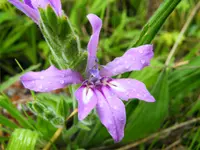
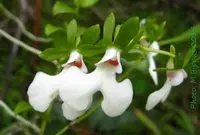
Vinca erecta Care

About Vinca erecta

Vinca erecta is a small, herbaceous perennial in the dogbane family, valued mainly as a ground-hugging ornamental. It typically forms low, spreading mounds with simple opposite leaves and upright flowering stems bearing small, star-like blooms.

This species is reported from parts of tropical and subtropical regions, where it often grows in open, well-drained sites. Its compact habit and modest size make it suitable for borders, mixed plantings, or naturalistic areas.

In cultivation it is generally considered manageable but may need consistent warmth and protection from frost. It tends to prefer bright light, moderate moisture, and freely draining soil, which guides how to care for Vinca erecta in gardens or containers.

Main Plant Requirements

Care Difficulty

Moderate Care

Light Preference

Partial Shade

Water Requirements

Moderate Water

Temperature Preference

Warm Climate

Hardiness Zone

Unknown

Soil Texture

Loamy

Soil pH

Slightly acidic (6.5–7.0)

Soil Drainage

Well-drained

Fertilization

Minimal (feed rarely)

Get Personalized Care Plan

Scan your plant to receive care tips personalized for your specific plant

Available on iOS and Android

How to Care for the Vinca erecta

This plant prefers bright outdoor conditions with some protection from intense midday sun.

  • Provide 4–6 hours of direct morning sun, then light afternoon shade or filtered light to reduce leaf scorch risk.
  • Tolerates partial shade, but flowering and compact growth decline if it receives less than 3–4 hours of direct or high-intensity light daily.
  • In hot summers, shift exposure toward more morning sun and dappled afternoon light, while in cooler seasons allow more direct sun to support strong growth and blooming for Vinca erecta.

This species prefers evenly moist but not waterlogged soil during active growth.

  • Allow the top 2–4 cm of soil to dry before watering, then soak the root zone deeply so water reaches at least 10–15 cm into the soil profile.
  • In spring and summer, monitor more often during hot, dry spells; in cooler or rainy periods, extend intervals to avoid standing water and root rot.
  • Signs of overwatering include yellowing, soft leaves and a sour soil smell, while underwatering shows as wilting, dull foliage, and dry, pulling-away soil; improve drainage with sand or fine grit if water lingers.

This plant grows best in warm, frost-free conditions with moderate seasonal variation.

  • Optimal growth occurs around 70–85°F (21–29°C), where steady warmth supports active root and shoot development without heat stress.
  • It tolerates brief heat up to about 90–95°F (32–35°C) if soil moisture is stable, but prolonged extremes combined with drought increase leaf scorch and flower drop.
  • Growth slows below about 55°F (13°C), and frost near 32°F (0°C) can damage or kill top growth, so in cooler climates protect from cold snaps or treat as a warm-season annual.

This species tolerates a wide humidity range, so indoor air is usually adequate.

  • Aim for 40–60% humidity; levels slightly below are generally tolerated without stress.
  • Crisp leaf edges, slowed growth, and buds dropping before opening can indicate humidity stress combined with underwatering or heat.
  • Increase humidity only if air is very dry by grouping plants or placing the pot on a pebble tray with water below the pot base.

Vinca erecta prefers light, well-drained, moderately fertile soil that does not stay wet for long.

  • Use a loose mix such as 2 parts all-purpose potting mix, 1 part coarse sand, and 1 part perlite for both aeration and drainage.
  • Aim for slightly acidic to neutral pH around 6.0–7.0, avoiding strongly acidic or alkaline conditions that reduce nutrient availability.
  • In heavy clay, improve structure by incorporating coarse sand and fine bark to create a crumbly, free-draining texture before planting.
  • Avoid compacted, waterlogged, or peat-heavy mixes that stay soggy, since these favor root rot and weak, shallow roots.

This species is suitable for container growing outdoors in bright, warm conditions.

  • Choose a pot at least 25–30 cm wide so roots can spread sideways and stems have room to trail without crowding the crown.
  • Select a heavier material like ceramic or terracotta to stabilize the plant against wind as stems elongate and become top-heavy.
  • Ensure several drainage holes and keep the saucer empty, since standing water around the base rapidly increases the risk of root rot.

This plant grows in fairly lean soils but benefits from light feeding in containers or poor ground.

  • Use a balanced, slow-release fertilizer (around 10-10-10) or a thin layer of compost in early spring.
  • Feed potted plants every 6–8 weeks during active growth, using fertilizer at 1/2 label strength.
  • Avoid feeding in late fall and winter, when growth slows or stops.
  • Always water before and after applying fertilizer to reduce root burn risk.

Light pruning keeps Vinca erecta compact and encourages fresh flowering growth.

  • Carry out shaping and cleanup in late winter or early spring before strong new growth starts.
  • Remove dead, diseased, or crossing stems first, then shorten overly long shoots to maintain form.
  • Use clean, sharp hand pruners or scissors to make angled cuts just above a leaf node.
  • Pinching soft tips during the season encourages bushier growth and more flowering shoots.

This species is more often grown in the ground, though container plants may need occasional repotting.

  • Transplant in spring or early fall so roots establish in mild temperatures.
  • Look for roots circling the pot, rapid drying of soil, or slowed growth as cues to move up 1 pot size.
  • Lift gently, loosen circling roots with fingers, and replant at the same depth in fresh, well-drained mix.
  • Water thoroughly after transplanting, then keep soil evenly moist but not waterlogged for 1–2 weeks.

Gardeners most often increase Vinca erecta from softwood cuttings or by division of established clumps.

  • Take 7–10 cm softwood cuttings in late spring or early summer from non-flowering shoots.
  • Insert cuttings into a moist, free-draining mix, keep humidity high, and maintain 68–75°F for rooting.
  • For division, split healthy clumps in spring, ensuring each section has strong roots and several shoots.
  • Seeds can be sown in spring in a warm, bright spot, keeping the surface just moist until germination.

In mild climates this plant usually overwinters outdoors with only light protection needed.

  • In regions below about 20°F, treat it as a tender perennial or move containers indoors to a bright, cool spot.
  • Apply a 5–7 cm mulch layer around the root zone in late fall to buffer freeze–thaw cycles.
  • Avoid saturated winter soils by ensuring sharp drainage, especially in containers or heavy ground.

Care Tips

Pinch For Bushiness

Pinch out the soft tips of young stems once they reach 8–10 cm to encourage dense side-branching and a fuller flowering mound rather than a few long, straggly shoots.

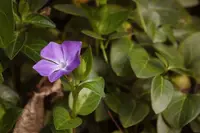
Controlled Spreading Edge

Install a shallow edging strip or sink bottomless pots into beds to limit lateral root and stem spread so the plant does not overrun neighboring, slower species.

Mulch To Stabilize

Apply a thin 2–3 cm layer of fine bark or composted mulch around, but not on top of, the crowns to keep surface roots cool, reduce weed competition, and minimize soil splash that can spread disease.

Targeted Pest Monitoring

Inspect the undersides of leaves and new growth every 1–2 weeks for aphids or mealybugs, and spot-treat early with a directed stream of water or a labeled insecticidal soap rather than waiting for a heavy infestation.

Renewal By Division

Every 3–4 years, lift and divide overcrowded clumps in early spring, replanting only the most vigorous sections to maintain flowering performance and support long-term success when growing Vinca erecta.

Common Pests and Diseases

Aphids

This pest feeds on young shoots and undersides of leaves, causing curling, distortion, and sticky honeydew that can lead to sooty mold growth.

Solution

Spray the plant thoroughly with a strong stream of water to dislodge colonies, then apply an insecticidal soap or neem oil to all leaf surfaces every 5–7 days until populations drop; encourage natural predators like lady beetles outdoors and avoid high nitrogen fertilization that promotes soft, aphid‑prone growth when growing Vinca erecta.

Spider mites

These insects are actually tiny arachnids that thrive in hot, dry conditions and cause fine speckling, dull foliage, and delicate webbing on stems and leaf undersides.

Solution

Increase humidity around the plant, rinse foliage on both sides with lukewarm water, and use a miticide‑labeled horticultural oil or insecticidal soap applied repeatedly at 5–7 day intervals, making sure to target the undersides of leaves where mites cluster.

Leaf spot

This disease produces small, dark, water‑soaked or tan spots on leaves that may enlarge, merge, and cause premature yellowing and drop, especially in warm, humid weather.

Solution

Remove and discard affected leaves, water at the base to keep foliage dry, and improve airflow around the plant; in persistent cases, use a copper‑based or chlorothalonil fungicide according to label directions, starting at the first sign of spotting.

Botrytis blight

This disease causes soft, brown, collapsing areas on leaves and stems that develop a fuzzy gray mold, especially on crowded plants or in poorly ventilated, damp conditions.

Solution

Promptly prune and discard all infected tissues, avoid overhead watering, and space plants for better air circulation; if conditions stay cool and damp, apply a labeled ornamental fungicide preventively to new growth and maintain cleaner, drier surroundings.

Nematode injury

Symptoms include general stunting, poor flowering, and yellowed foliage due to microscopic roundworms feeding on roots and disrupting water and nutrient uptake.

Solution

Discard heavily affected plants and avoid replanting in the same soil; improve soil drainage, solarize infested beds where feasible, and consider using clean, soilless potting mixes or containers to grow Vinca erecta in areas with known nematode pressure.

Interesting Facts

Natural habitat context

Vinca erecta is described from specific regions in tropical Asia, where it typically occurs in open, seasonally dry or disturbed sites rather than in dense forest, which shapes its growth habit and tolerance for sun exposure.

Taxonomic uncertainty

The name Vinca erecta has been used inconsistently in the botanical literature and is sometimes treated as a synonym or misapplied name within Apocynaceae, so checking an updated regional flora or database is important when studying this taxon.

Growth form distinction

Unlike many familiar Vinca species that creep or trail, Vinca erecta has a more upright, subshrub-like habit, which reflects adaptation to more open, competitive herbaceous vegetation rather than to shaded, spreading groundcover niches.

FAQs about Vinca erecta

Lack of flowers usually comes from low light, excess nitrogen fertilizer, or old, spent stems dominating the plant. Increase light exposure, switch to a balanced or low‑nitrogen feed, and lightly prune after flowering to encourage new blooming shoots.

Grow Healthy Plants with Botan Care

Keep your plants happy and healthy with plant identification, disease detection, and easy care guidance.

Botan plant care app — identify plants on mobile

Explore More Plants